Home Blog Page 14

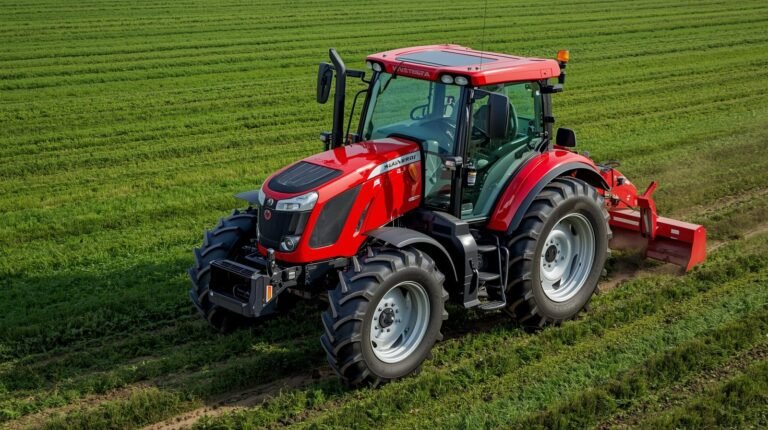
Tractor trailers: Powering efficiency in modern agriculture and logistics


The tractor trailer is a cornerstone of productivity across diverse sectors, including agriculture, construction, and logistics.

These versatile machines combine the pulling power of tractors with the cargo capacity of trailers, enabling efficient transport of goods, equipment, and materials. In this article, we explore how tractor trailers are revolutionizing operations, their key features, and future trends shaping their evolution.


The Role of Tractor Trailers in Agriculture and Logistics

Agriculture: Enhancing Farm Productivity

In agriculture, tractor trailers are indispensable tools for farmers. From hauling harvested crops to transporting fertilizer and irrigation equipment, they significantly streamline farming operations.

  • Increased Load Capacity: Modern trailers can handle large volumes, reducing the number of trips required during peak farming seasons, such as harvest time.
  • Diverse Applications: Trailers equipped with specialized features, such as tipping mechanisms or flatbeds, cater to tasks like soil transport or machinery relocation.
  • Durability for Tough Conditions: Designed for rugged terrains, agricultural tractor trailers endure the challenges of off-road operations, ensuring reliability throughout the year.

Logistics: Driving Cost-Effective Transport

In logistics, tractor trailers form the backbone of short-haul and long-haul transport systems. Whether moving goods from ports to warehouses or distributing products across regions, their adaptability is unmatched.

  • Fuel Efficiency: Paired with advanced tractor models, trailers optimize fuel consumption, a critical factor in reducing operational costs.
  • Modular Design: Modern trailers are designed for quick coupling and decoupling, allowing seamless transitions between loading docks and distribution hubs.
  • Compliance with Regulations: Innovations in trailer designs ensure adherence to transport laws, including weight limits and safety standards.

Innovative Features in Modern Tractor Trailers

1. Advanced Load Management Systems

Equipped with smart sensors, trailers now offer real-time load monitoring. These systems prevent overloading, ensuring safety and compliance with transport regulations.

2. Multi-Functionality

Modern tractor trailers are increasingly modular, with swappable configurations for different purposes, including grain transport, livestock movement, and equipment hauling. This flexibility adds value for operators managing diverse tasks.

3. Enhanced Safety Mechanisms

Braking systems, anti-rollover designs, and reflective materials are integral to modern trailer safety. These advancements minimize the risk of accidents, especially in challenging weather or on uneven roads.

4. Sustainability and Eco-Friendly Materials

Trailers are being crafted with lightweight, recyclable materials to reduce fuel consumption and environmental impact. Hybrid systems and solar-assisted technologies are also entering the market to meet the growing demand for green solutions.


Future Trends in Tractor Trailers

Autonomous and Connected Trailers

The integration of autonomous technologies in tractor trailers is on the horizon. Equipped with GPS, AI, and IoT sensors, these trailers can communicate with tractors, offering predictive maintenance alerts and route optimization suggestions.

Electric Tractor-Trailer Combinations

With a shift towards sustainable energy, electric tractor-trailer setups are gaining traction. These systems promise reduced carbon emissions and operational costs, aligning with global sustainability goals.

Increased Customization for Niche Needs

Manufacturers are designing specialized trailers tailored to industry-specific requirements, such as refrigerated units for perishables or reinforced trailers for construction materials.


Key Considerations for Buyers

When selecting a tractor trailer, operators must evaluate several factors to ensure it meets their specific needs:

  • Load Capacity: Match the trailer’s capacity to the intended application to avoid overuse or inefficiency.
  • Compatibility with Tractors: Ensure the trailer is compatible with existing tractor models to avoid retrofitting expenses.
  • Durability and Maintenance: Choose trailers with high-quality materials and accessible maintenance options to maximize longevity.
  • Cost vs. Value: Consider the total cost of ownership, including fuel efficiency, maintenance, and resale value.

Conclusion

Tractor trailers are evolving to meet the demands of modern agriculture and logistics, driving efficiency and sustainability across industries. With advancements in design, technology, and materials, these machines are not only improving productivity but also shaping the future of transport. Operators who invest in the right tractor trailer solutions can expect to stay ahead in a competitive and rapidly changing market.

Whether on the farm or on the road, the tractor trailer remains a symbol of resilience, innovation, and indispensable utility.

Also Read

Lambo tractors: Revolutionizing agriculture with style and power

John Deere 2020 tractor review: A Timeless workhorse for farm and property owners

Kubota Tractors: Powering agriculture forward with versatility and innovation


Kubota tractors have become synonymous with reliability, innovation, and versatility in the world of agriculture.

Originating from Japan, Kubota Corporation was founded in 1890 and has since grown into a global leader in the manufacturing of agricultural and industrial machinery.

Today, Kubota tractors are a trusted name across farms and fields worldwide, playing a critical role in powering agricultural productivity.


Country of Origin: A Legacy of Japanese Excellence

Kubota Corporation is headquartered in Osaka, Japan. Known for its dedication to quality and cutting-edge engineering, Japan has long been a hub for technological advancements, and Kubota is no exception.

The company introduced its first tractor in 1960, the L150, which was specifically designed to meet the needs of Japanese farmers operating in smaller fields. Since then, Kubota has expanded its reach, adapting its tractor designs to suit diverse agricultural landscapes across the globe.


Key Features and Innovations

Kubota tractors are celebrated for their compact design, durability, and performance. They incorporate advanced technology that simplifies farm operations while maximizing efficiency. Features such as:

  • Eco-friendly engines that comply with global emissions standards.
  • Hydrostatic transmission (HST) for easy operation.
  • Four-wheel drive (4WD) for superior traction on uneven or challenging terrains.
  • Precision farming tools, including GPS and telematics, in select models.

Versatile Uses of Kubota Tractors

Kubota tractors are versatile machines designed to perform a variety of tasks in agriculture and beyond:

  1. Tilling and Plowing: Perfect for preparing fields for planting, Kubota tractors deliver exceptional soil penetration and leveling.
  2. Planting and Harvesting: Their adaptability makes them invaluable for planting seeds or pulling harvesting equipment.
  3. Transporting Materials: Equipped with front loaders or trailers, these tractors are ideal for moving heavy loads like hay, manure, or harvested crops.
  4. Mowing and Landscaping: Compact models are widely used for maintaining pastures and lawns.
  5. Construction and Infrastructure Work: Kubota’s utility tractors are often employed in construction projects for tasks like grading and hauling.

What Farmers Say About Kubota Tractors

The reputation of Kubota tractors is built on the trust and satisfaction of farmers worldwide. Here are some testimonials from real users:

  • Efficient and Reliable Performance:
    “I’ve been using my Kubota tractor for over five years, and it hasn’t let me down. It’s fuel-efficient, easy to operate, and handles tough terrain like a pro. For a small farmer like me, it’s the perfect partner in the field.”
    (Reported by a smallholder farmer in Kenya)
  • Compact Design for Small Farms:
    “My fields are smaller and harder to navigate with larger machines. Kubota’s compact size and maneuverability make it ideal for my farm. It gets the job done without damaging the crops.”
    (Shared by a fruit grower in Spain)
  • Durable and Long-Lasting:
    “Kubota tractors are built to last. I’ve been using mine through all seasons—rain or shine—and it still performs like new. The maintenance is minimal, and parts are readily available.”
    (Testimonial from a farmer in South Africa)
  • Versatility in Multiple Tasks:
    “I use my Kubota tractor for everything from plowing and planting to hauling. It’s truly a multi-tasker and saves me from buying multiple machines.”
    (General feedback from farmers in India)
  • Affordable for Smallholder Farmers:
    “As a small-scale farmer, affordability is key. Kubota offers quality at a price that I can manage. Plus, their after-sales service is excellent, which gives me peace of mind.”
    (Reported by a farmer in East Africa)

Kubota’s Impact on Global Agriculture

With a presence in over 110 countries, Kubota tractors cater to farmers in diverse regions, from Asia to Africa, Europe, and the Americas.

In Africa, for instance, Kubota’s smaller, fuel-efficient models are particularly favored by smallholder farmers who need reliable, affordable machinery for day-to-day operations. These tractors help boost productivity, reduce labor, and support sustainable farming practices.


Conclusion

Kubota tractors are much more than just machines; they are a symbol of innovation and progress in agriculture.

Their Japanese roots, combined with a commitment to meeting the diverse needs of farmers worldwide, have made them an essential tool in transforming the agricultural sector. Whether for small-scale operations or large commercial farms, Kubota continues to power agriculture forward, one tractor at a time.

Also Read

John Deere 2020 tractor review: A Timeless workhorse for farm and property owners

Lambo tractors: Revolutionizing agriculture with style and power

Lambo tractors: Revolutionizing agriculture with style and power


When you hear “Lambo,” your mind might race to sleek sports cars tearing down a track.

But Lambo isn’t just about luxury and speed; it’s a name that’s steadily making its mark in agriculture through innovative tractors that combine style, power, and cutting-edge technology.

In Africa, where efficient farming machinery is vital for both smallholder farmers and large-scale agricultural enterprises, Lambo tractors are revolutionizing the way work gets done in the field.

A Heritage of Innovation

The roots of Lambo tractors trace back to the same ingenuity that gave rise to Lamborghini sports cars. This heritage of precision engineering has transitioned seamlessly into the agricultural sector, delivering tractors that stand out for their performance and aesthetic appeal. Lambo tractors blend sophisticated Italian design with functionality, offering machines that are not just tools but statements of innovation.

Why Lambo Tractors Stand Out in Agriculture

  1. Advanced Technology
    Lambo tractors are equipped with cutting-edge features such as GPS-guided navigation, automated steering, and telematics for remote monitoring. These technologies enable farmers to optimize their operations, reduce fuel consumption, and increase productivity. For African farmers, especially those managing vast hectares, these features help minimize operational costs while boosting yields.
  2. Unmatched Power and Efficiency
    Lambo tractors are built to handle diverse terrains and heavy workloads, making them ideal for African farms that often face challenging conditions. Whether plowing, planting, or hauling, these tractors deliver consistent performance, thanks to robust engines that combine high horsepower with fuel efficiency.
  3. Versatility for All Farming Needs
    From compact models suitable for smallholder farms to high-capacity tractors designed for commercial agriculture, Lambo offers a range of options. This versatility ensures that every farmer, regardless of scale, can find a model suited to their needs.
  4. Eco-Friendly Design
    With an increasing global focus on sustainability, Lambo tractors incorporate features that reduce emissions without compromising performance. Their eco-friendly engines meet global standards, contributing to greener agricultural practices—a critical consideration for Africa’s environmentally-conscious farming communities.
  5. Aesthetic Appeal
    Unlike conventional agricultural machinery, Lambo tractors are designed with aesthetics in mind. Their sleek lines and bold designs make them stand out in a field. While functionality is paramount, Lambo proves that style has a place in agriculture, too.

Transforming Agriculture in Africa

Africa’s agricultural landscape is rapidly evolving, with mechanization playing a key role in improving productivity. However, accessibility to reliable and efficient machinery remains a challenge for many farmers. Lambo tractors address this gap by offering robust machines that meet the unique needs of African farmers.

  • Smallholder Farmers: Compact Lambo models are perfect for small-scale farmers who need durable yet affordable tractors for basic tasks such as tilling and irrigation.
  • Commercial Farmers: For larger farms, Lambo’s high-capacity tractors provide the power and precision needed for large-scale operations, from land preparation to harvesting.
  • Mechanization for Growth: By adopting Lambo tractors, farmers can reduce dependency on manual labor, improve efficiency, and scale operations—key to meeting the continent’s growing food demands.

Success Stories from African Farms

Farmers across Africa are already witnessing the transformative impact of Lambo tractors. In Kenya, a maize farmer reported a 30% increase in productivity after switching to a Lambo model equipped with GPS-guided precision planting. In Nigeria, a cocoa farm has cut harvesting time in half using a Lambo tractor outfitted with specialized attachments.

What’s Next for Lambo Tractors in Africa?

As demand for mechanized farming continues to rise, Lambo is poised to expand its footprint across the continent. Collaborations with local distributors and financial institutions are helping to make these premium tractors more accessible through flexible financing options. Furthermore, ongoing investments in research and development ensure that future Lambo models will continue to push the boundaries of technology and sustainability.

Conclusion

Lambo tractors are more than just farming tools—they represent a revolution in how agriculture is practiced.

Combining style, power, and advanced technology, they meet the diverse needs of African farmers while paving the way for a sustainable future.

As more farmers embrace the benefits of mechanization, Lambo tractors stand ready to lead the charge, proving that farming can be as innovative as it is essential.

For farmers looking to enhance efficiency, boost productivity, and adopt sustainable practices, Lambo tractors are not just an investment in machinery—they’re an investment in the future of farming.

Also Read

Tractor trailers: Powering efficiency in modern agriculture and logistics

Kubota Tractors: Powering agriculture forward with versatility and innovation

John Deere 2020 tractor review: A Timeless workhorse for farm and property owners


The John Deere 2020 is a versatile and durable utility tractor that has earned a solid reputation among farmers and landowners for its reliability, ease of use, and impressive performance.

First introduced in the 1960s, the 2020 model has become a beloved choice for a wide range of agricultural, landscaping, and light construction applications.

Although it is no longer in production, many 2020 tractors are still in use today, thanks to their durability and ease of maintenance.

Here’s an in-depth look at the John Deere 2020 Tractor, considering its key features, performance, and overall value:


Key Features:

  1. Engine Performance:
    • The John Deere 2020 is equipped with a 4-cylinder gas or diesel engine, depending on the model, offering solid horsepower in the range of 50–60 horsepower. This provides the necessary power for a wide range of tasks, including plowing, mowing, tilling, and hauling.
    • The diesel version is known for better fuel efficiency, making it a great choice for long hours of operation.
    • The gas-powered model delivers smoother power delivery and is often preferred by those who want a quieter, less complex engine.
  2. Transmission & Hydraulics:
    • The tractor features a 6-speed transmission with an optional reverse gear for easy maneuvering. The transmission is smooth and relatively simple, making the 2020 suitable for operators with various levels of experience.
    • The hydraulic system on the 2020 is robust, providing adequate lifting capacity for many implements like plows, cultivators, and rotary cutters. The hydraulics are also compatible with various John Deere implements, adding to its versatility.
  3. Comfort & Design:
    • The operator’s station is straightforward, with a simple layout and controls that are easy to use. Though it lacks the advanced ergonomic designs of modern tractors, it provides a comfortable work environment for most tasks.
    • The open station design of the 2020 gives the operator good visibility, but it can be a bit exposed, especially when working in bad weather. However, some owners have retrofitted their 2020s with cabs for added comfort.
    • The seating is basic, but functional. For longer shifts, some owners opt to upgrade the seat to improve comfort.
  4. Durability:
    • The John Deere 2020 is known for its long-lasting build quality. With heavy-duty components and a cast iron frame, this tractor can handle tough jobs and endure many years of use.
    • The overall build of the tractor is sturdy, with the ability to withstand harsh working conditions. Rust resistance on the frame is also commendable, especially when compared to other tractors from the same era.
  5. Versatility:
    • One of the standout features of the John Deere 2020 is its versatility. Whether you’re doing row crop farming, hay production, or light loader work, the 2020 can handle it all.
    • The 3-point hitch system is compatible with a wide range of implements, and the PTO (Power Take-Off) offers good power delivery for various attachments. Whether you’re running a mower, a tiller, or a snow blower, the 2020 is flexible enough to adapt to different jobs.
  6. Maintenance:
    • The 2020 model is designed to be easy to maintain, with easily accessible parts and relatively simple systems. Routine maintenance tasks such as oil changes, filter replacements, and fluid checks are straightforward.
    • As it ages, it’s essential to ensure that all seals, gaskets, and the hydraulic system are in good condition, as older machines can sometimes experience leaks. But when properly maintained, a John Deere 2020 can run for decades.

Performance:

When it comes to performance, the John Deere 2020 holds its ground. Its engine provides ample power for typical tasks on a medium-sized farm or property.

Its PTO output is reliable, and the hydraulic lift capacity is strong enough to handle common implements, including post hole diggers, snow blowers, and rotary tillers.

Whether you’re working with smaller implements or tackling more demanding tasks, this tractor provides an impressive balance of power, efficiency, and reliability.

While it’s not a heavy-duty tractor like the John Deere 4020 or larger models, the 2020 excels in light to moderate applications. Its compact size also makes it highly maneuverable, a key benefit when working in tight spaces or around obstacles.


Pros:

  • Durability: The John Deere 2020 is known for its longevity. Properly cared for, it can last for decades.
  • Versatility: Ideal for a variety of applications, from mowing and tilling to light loader work and snow removal.
  • Ease of Maintenance: Simple systems make it easy to maintain and repair, even for those with limited mechanical knowledge.
  • Fuel Efficiency (Diesel Version): The diesel engine provides excellent fuel economy for long workdays.
  • Affordability: As a used tractor, the 2020 offers a good balance of performance and cost, particularly when compared to newer models.

Cons:

  • Lack of Modern Comforts: The 2020 lacks some of the ergonomic advancements found in newer tractors, such as air conditioning or advanced suspension seating. Long hours in the open station design can be tiring, especially in extreme weather.
  • Outdated Technology: While the tractor is reliable, it doesn’t have the advanced technology (like GPS, auto-steering, or telematics) that newer models offer.
  • Hydraulic Capacity Limitations: While adequate for most tasks, its hydraulic capacity may not meet the needs of those requiring extremely heavy lifting or high-performance hydraulic work.

Conclusion:

The John Deere 2020 remains one of the most reliable and affordable options for farmers and landowners who need a solid utility tractor.

It may not offer the bells and whistles of modern tractors, but its build quality, performance, and versatility make it a valuable asset for a wide range of tasks. For anyone looking for a tractor that is durable, easy to maintain, and capable of handling most farm tasks, the 2020 is still a great option.

While newer models come with more advanced features, the 2020 holds up well in terms of reliability and simplicity, making it a great choice for those looking for a no-frills, hardworking tractor.

If you come across a well-maintained used John Deere 2020, it can be a great investment for many more years of service.

Also Read

The Ultimate Workhorse: Why the John Deere 1025R Stands Out

A look at the world’s largest and heaviest farm machinery

The Ultimate Workhorse: Why the John Deere 1025R Stands Out


In the world of compact tractors, finding a machine that perfectly balances power, versatility, and ease of use can be challenging.

The John Deere 1025R, however, has solidified its place as a favorite among hobby farmers, landscapers, and property owners. Known for its exceptional design and reliability, this sub-compact tractor is truly the ultimate workhorse.

Let’s explore what makes the 1025R stand out from the competition.


1. Compact Size, Big Performance

The John Deere 1025R is categorized as a sub-compact utility tractor, but its performance belies its size. Powered by a 24.2-horsepower diesel engine, this tractor is robust enough to handle demanding tasks like mowing, tilling, and even snow removal. Despite its compact frame, it delivers 14.5 PTO horsepower, making it suitable for powering a variety of implements.

Its small size and tight turning radius make it ideal for working in confined spaces, whether in a backyard garden or a small-scale farm. This versatility ensures it can handle jobs that larger tractors simply can’t manage in restricted environments.


2. Easy-to-Attach Implements

One of the standout features of the 1025R is its compatibility with a broad range of implements. The AutoConnect™ Deck System is a game-changer, allowing users to attach and detach the mower deck in seconds without leaving their seat.

The tractor supports various implements, including:

  • Front-end loaders for moving soil, gravel, and mulch.
  • Backhoes for digging and trenching.
  • Rotary tillers for soil preparation.
  • Blades and snowblowers for clearing driveways during winter.

This seamless compatibility transforms the 1025R into a multi-functional powerhouse, capable of adapting to any task throughout the year.


3. Comfort and Usability

The 1025R is designed with operator comfort in mind. The deluxe suspension seat, coupled with an ergonomic control layout, ensures a fatigue-free experience, even during long hours of work. Features like cruise control and an easy-to-read instrument panel further simplify operation.

Additionally, the hydrostatic transmission eliminates the need for gear-shifting, making it particularly appealing to those new to tractors. Simply push the pedals to move forward or reverse, allowing for smooth and precise movements.


4. Superior Build Quality and Durability

John Deere has built a reputation for manufacturing durable and reliable equipment, and the 1025R is no exception. Its rugged steel frame and high-quality components ensure it can withstand heavy use in tough conditions. Regular maintenance is straightforward, thanks to the one-piece hood design and easy access to engine components.

Many owners report years of trouble-free operation, underscoring the tractor’s exceptional longevity and value for money.


5. Advanced Technology

The integration of advanced technology enhances the 1025R’s performance. For example, the iMatch™ Quick-Hitch system simplifies attaching and detaching implements, saving users valuable time. The tractor also supports John Deere’s WorkSight™ Technology, which offers telematics solutions for tracking maintenance schedules and optimizing machine usage.


6. Fuel Efficiency and Environmental Impact

The 1025R’s diesel engine isn’t just powerful; it’s also fuel-efficient. Designed to meet stringent EPA Final Tier 4 standards, this engine produces lower emissions while delivering high torque. This makes the tractor an environmentally friendly option for those conscious of their carbon footprint.


7. Community and Dealer Support

Another reason the 1025R stands out is the extensive John Deere dealer network and community support. Owners have access to a wealth of resources, including certified technicians, parts availability, and a thriving online community of enthusiasts who share tips and tricks for maximizing the tractor’s capabilities.


Applications of the John Deere 1025R

Whether you’re a hobby farmer maintaining a few acres or a professional landscaper handling varied tasks, the John Deere 1025R delivers unmatched versatility. Common applications include:

  • Mowing large lawns with precision using the AutoConnect™ Mower Deck.
  • Clearing snow with front-mounted snowblowers or blades.
  • Gardening and tilling for small-scale agricultural projects.
  • Material handling for landscaping or construction tasks.

Its adaptability makes it a favorite among residential and commercial users alike.


Conclusion

The John Deere 1025R is more than just a tractor—it’s a trusted companion for those who demand performance, reliability, and versatility in their equipment. Its innovative features, robust build, and ease of use make it a standout choice in the compact tractor market.

Whether you’re breaking ground on a new project or maintaining your property, the 1025R proves that big things often come in small packages. For those seeking a reliable workhorse that works as hard as they do, the John Deere 1025R is an investment that pays dividends for years to come.

Also Read

How to buy a used tractor: Expert tips for farmers

A look at the world’s largest and heaviest farm machinery

From farm to blockchain: The future of payments in agriculture


The agricultural industry, traditionally slow to adopt new technologies, is beginning to embrace innovative solutions that promise to streamline operations and enhance financial transactions.

One of the most promising developments is the integration of blockchain technology and cryptocurrency in agricultural payments.

This paradigm shift not only offers the potential for faster, more secure transactions but also aims to create a more transparent and equitable system for farmers, traders, and consumers alike.

Understanding Blockchain and Cryptocurrency in Agriculture

Blockchain is essentially a decentralized, digital ledger that records transactions across multiple computers. This means that every transaction is transparent, immutable, and verifiable by all parties involved, which makes it a perfect fit for the agriculture sector.

Cryptocurrency, which operates on blockchain technology, allows for digital transactions that bypass traditional banking systems, offering faster and cheaper alternatives.

For farmers, especially those in developing regions, access to conventional banking services can be limited. Blockchain-based payments offer a way to bypass intermediaries such as banks, credit card companies, or other financial institutions, thus reducing transaction costs. This can be especially crucial for smallholder farmers, who often face high fees when making payments or receiving money for their produce.

The Challenges of Traditional Agricultural Payments

Agricultural transactions today are still largely based on cash payments, wire transfers, or checks—methods that are often slow, costly, and prone to fraud. These traditional systems can result in several challenges, including:

  1. Payment Delays: Farmers frequently face delays in receiving payments for their goods, especially when dealing with buyers or suppliers in distant locations.
  2. High Transaction Costs: For international trade, agricultural businesses often incur significant fees from banks or payment processors, which reduces their profit margins.
  3. Lack of Transparency: With multiple intermediaries involved in the transaction process, farmers may find it difficult to track the flow of payments, leading to issues of trust and disputes over payments.
  4. Financial Inclusion: In many rural areas, farmers lack access to traditional banking systems, limiting their ability to conduct secure transactions and access financial services like loans or insurance.

Blockchain and cryptocurrency present solutions to these challenges by providing a system that is secure, transparent, and accessible to those who may otherwise be excluded from traditional financial services.

Blockchain’s Role in Agricultural Payments

1. Faster Transactions

Blockchain technology enables faster transactions, especially for international payments. Traditional payment systems can take several days to process cross-border transactions. With blockchain, payments can be processed in real-time or within a matter of hours.

This quick turnaround time is especially beneficial for farmers who depend on timely payments to cover operational costs such as labor, seeds, and equipment.

2. Lower Transaction Costs

By removing intermediaries such as banks and payment processors, blockchain significantly reduces transaction fees.

These savings can be reinvested into the farm, improving productivity and helping farmers expand their businesses. With cryptocurrency-based transactions, farmers can transfer funds directly to suppliers, eliminating the need for currency conversions and international bank fees.

3. Transparency and Traceability

Blockchain’s immutable ledger ensures that every transaction is recorded and cannot be altered or tampered with. This feature enhances the traceability of agricultural goods and financial transactions.

For example, a farmer who sells crops through a blockchain-based system can track the payment from the buyer and ensure they receive fair compensation. Similarly, buyers can trace the origin of their products and verify that they were sourced ethically and sustainably.

For agricultural businesses, this transparency builds trust between suppliers, consumers, and farmers. It also allows for better accountability, reducing instances of fraud and ensuring that payments are accurately tracked.

4. Smart Contracts

One of the most revolutionary aspects of blockchain is the concept of smart contracts. These are self-executing contracts where the terms of the agreement are written directly into lines of code.

In the context of agriculture, smart contracts can automate payments and other processes, reducing the risk of human error and ensuring that payments are made only when certain conditions are met.

For example, a smart contract could automatically release payment to a farmer once a shipment of produce has been delivered and verified by both parties. This eliminates the need for intermediaries and accelerates the payment process, benefiting both parties in the transaction.

Cryptocurrency’s Impact on Agricultural Payments

While blockchain forms the foundation for secure digital transactions, cryptocurrencies—such as Bitcoin, Ethereum, and stablecoins—enable real-time payments. Cryptocurrencies are digital currencies that use cryptography to secure transactions and control the creation of new units. Here’s how cryptocurrencies can enhance agricultural payments:

1. Financial Inclusion for Farmers

In regions where banking infrastructure is limited or nonexistent, cryptocurrencies offer an alternative to traditional banking systems.

By using a mobile wallet and internet access, farmers can receive and make payments in cryptocurrency without needing to rely on physical banks. This opens up new opportunities for farmers to access global markets, secure financing, and make transactions directly with international buyers.

2. Reducing Currency Risk

In many African and developing countries, currency volatility can significantly impact farmers’ profitability.

For instance, inflation or sudden currency devaluation can cause the local currency to lose value rapidly, reducing farmers’ earnings. Cryptocurrencies can act as a hedge against such risks, providing a stable form of payment that is less susceptible to inflationary pressures.

3. Enabling Micropayments

Microtransactions are especially useful in the agriculture sector, where small payments are common for services like seeds, fertilizers, or labor. Traditional payment systems often make such small transactions inefficient due to high fees.

Cryptocurrencies, however, can facilitate micropayments without incurring significant costs, allowing farmers and suppliers to engage in smaller, more frequent transactions.

Blockchain and Cryptocurrency in Supply Chains

Blockchain’s impact on payments in agriculture extends beyond direct transactions. The technology can also be applied to the broader agricultural supply chain, providing an end-to-end solution that ensures efficiency, transparency, and trust.

From farm-to-table, blockchain can track the movement of goods, verifying the quality and authenticity of produce, and ensuring that farmers are fairly compensated.

Cryptocurrencies can further streamline this process by enabling payment for goods and services within the supply chain at each stage, ensuring timely compensation for everyone involved—from seed suppliers to transporters to processors.

Real-World Examples of Blockchain in Agriculture

Several pioneering companies are already leveraging blockchain and cryptocurrency to transform agricultural payments:

  • AgriDigital: This Australian company uses blockchain to streamline payments for grain farmers, providing a secure and transparent platform for transactions. Farmers are paid immediately after delivering their grain, and buyers can trace the product’s journey from farm to market.
  • AgriChain: A platform that connects farmers, suppliers, and buyers through blockchain, AgriChain helps reduce fraud and inefficiencies in agricultural transactions. The platform allows all parties to track the origin and status of products, ensuring payments are made fairly and accurately.
  • FarmToken: This cryptocurrency platform allows farmers to accept digital currency as payment for crops, reducing the need for traditional banking systems and ensuring faster, more secure transactions.

The Road Ahead: Challenges and Opportunities

While the potential for blockchain and cryptocurrency in agriculture is significant, there are several hurdles to overcome before widespread adoption can take place. These include:

  1. Education and Awareness: Many farmers are unfamiliar with blockchain and cryptocurrency, and education is key to driving adoption. Partnerships with agricultural cooperatives and organizations can help bridge this gap.
  2. Regulatory Hurdles: Cryptocurrencies are not yet fully regulated in many countries, and legal frameworks need to be developed to protect farmers and traders from fraud and market volatility.
  3. Infrastructure: For blockchain and cryptocurrency to work efficiently, robust digital infrastructure is needed. In many rural areas, internet connectivity remains a challenge, which could limit the effectiveness of these technologies.

Despite these challenges, the potential for blockchain and cryptocurrency to transform agricultural payments is enormous. As the technology matures and adoption grows, it could revolutionize the way farmers interact with the global economy, improving financial access, reducing transaction costs, and ensuring greater transparency in the agricultural supply chain.

Conclusion

The integration of blockchain and cryptocurrency into agricultural payments represents the future of the industry.

By providing faster, cheaper, and more transparent transactions, these technologies have the power to improve financial access for farmers, increase trust in agricultural trade, and ultimately, contribute to a more sustainable and efficient global food system.

While challenges remain, the future looks bright for farmers who are ready to embrace the digital transformation of agriculture.

Also Read

Optimizing yields: The role of data in modern agriculture

Smallholder Farmer Innovations: Empowering African Farmers

Optimizing yields: The role of data in modern agriculture


In the rapidly evolving field of agriculture, data-driven approaches are revolutionizing how farmers grow, manage, and harvest crops.

As the global demand for food continues to rise, optimizing agricultural yields has become critical to ensure food security, economic stability, and environmental sustainability. Data analytics, powered by advances in technology, allows farmers to make precise, timely, and efficient decisions that maximize productivity and conserve resources.

This article explores the various ways data is leveraged in agriculture to optimize yields, covering applications, technologies, and the benefits for farmers and the environment.

1. Understanding Data-Driven Agriculture

Data-driven agriculture, also known as precision agriculture, relies on the collection, analysis, and application of data to inform farming decisions.

It integrates information from a variety of sources, including soil sensors, climate data, satellite imagery, and farm machinery, allowing farmers to monitor and manage every aspect of their operations with unprecedented detail.

This approach moves away from traditional, broad-based agricultural practices, enabling a more targeted, efficient, and sustainable approach to farming.

2. Key Data Sources in Modern Agriculture

Modern farming leverages data from multiple sources, each providing unique insights that contribute to yield optimization:

  • Soil Sensors: Soil sensors are placed in fields to gather data on moisture levels, temperature, pH, and nutrient content. By monitoring these conditions, farmers can optimize irrigation schedules, balance fertilizers, and better understand their crops’ requirements, preventing overuse of resources.
  • Weather Data: Weather stations and forecasting services provide real-time climate information such as rainfall, temperature, and humidity. Farmers use this data to plan planting and harvesting activities, predict pest or disease outbreaks, and manage crop protection measures.
  • Satellite Imagery and Drones: Satellite images and drone-based monitoring allow for crop health assessment on a large scale, identifying areas of stress, disease, or poor growth. These insights help farmers make informed decisions about interventions and resource allocation.
  • Farm Machinery and IoT Devices: Data from tractors, planters, and other machinery, along with IoT sensors, provide insights into crop performance, soil compaction, and field traffic. Smart equipment can adjust seed rates, planting depths, and fertilizer applications based on field variability.

3. Applications of Data in Yield Optimization

Data-driven insights enable farmers to improve yields in several fundamental areas of crop management:

  • Precision Planting: By analyzing soil and climate data, farmers can determine the best time and location for planting specific crops. Data-driven planting minimizes seed wastage, enhances germination rates, and establishes optimal crop density, contributing to higher yields.
  • Nutrient Management: Data collected from soil sensors and plant tissue analyses guides fertilizer applications. Precision nutrient management delivers the exact amount of nutrients required by crops, improving plant health while reducing the environmental impact associated with over-fertilization.
  • Water Management: Smart irrigation systems that use real-time soil moisture data can reduce water usage and prevent water stress in crops. Data-driven irrigation schedules optimize water usage based on crop needs, weather forecasts, and soil conditions, thereby maximizing yield potential and conserving water resources.
  • Pest and Disease Prediction: Predictive analytics, using data from weather forecasts and crop health sensors, helps farmers anticipate pest and disease outbreaks. With early intervention, farmers can reduce crop losses and apply fewer pesticides, leading to healthier crops and cost savings.

4. Role of Big Data and Machine Learning in Agriculture

Big data and machine learning (ML) are pivotal in processing vast amounts of agricultural data and uncovering patterns that are otherwise impossible to detect. Some of the specific applications of these technologies include:

  • Yield Prediction Models: Machine learning algorithms analyze historical yield data, weather patterns, and soil characteristics to forecast crop yields with impressive accuracy. These models help farmers make informed financial and operational decisions, such as crop insurance and forward selling.
  • Crop Health Monitoring: ML algorithms process satellite images and drone footage to detect early signs of crop stress, disease, or nutrient deficiency. This timely detection allows farmers to take corrective action, protecting yields and improving crop quality.
  • Automated Decision-Making: Data from IoT devices, soil sensors, and machinery are fed into machine learning models that provide real-time recommendations on seeding, fertilizing, and harvesting. By optimizing these processes, farmers can boost efficiency, reduce labor costs, and achieve better yields.

5. Benefits of Data-Driven Agriculture

Data-driven agriculture offers significant advantages for farmers, the environment, and society as a whole:

  • Increased Productivity: Farmers can achieve higher yields with data-based interventions that address the specific needs of their crops. Precise and timely actions lead to healthier crops and better quality harvests.
  • Resource Efficiency: With accurate data on soil, water, and crop conditions, farmers can reduce inputs like water, fertilizers, and pesticides. This not only lowers production costs but also minimizes the environmental impact.
  • Risk Mitigation: Data analytics enable farmers to better understand and respond to climate risks, pests, and diseases. Predictive models reduce the risk of crop loss, improving food security and protecting farmers’ livelihoods.
  • Sustainability: Data-driven agriculture promotes sustainable practices by reducing resource wastage and environmental degradation. Precision farming minimizes the ecological footprint, helping to preserve soil health, water resources, and biodiversity.

6. Challenges in Data-Driven Agriculture

While the potential benefits of data-driven agriculture are substantial, there are challenges that need to be addressed for widespread adoption:

  • Data Accessibility: Farmers in developing regions may have limited access to reliable data sources, such as weather forecasts, satellite imagery, and soil sensors. This restricts their ability to make informed decisions.
  • High Initial Investment: The cost of implementing data-driven systems, including sensors, drones, and analytics platforms, can be prohibitive for small-scale farmers. Financial support and incentives are often necessary to overcome this barrier.
  • Data Literacy: Not all farmers have the expertise to interpret and act upon complex data. Education and training programs are essential to help farmers understand and utilize data effectively.
  • Data Privacy: As agriculture becomes more data-centric, concerns about data ownership, privacy, and security increase. Farmers need assurances that their data is protected and used responsibly.

7. Future Prospects and Innovations

The role of data in agriculture will only continue to grow, driven by innovations in technology and analytics. Future trends include:

  • AI-Driven Precision: Artificial intelligence will enable even greater precision in crop management, automating processes and delivering real-time recommendations to farmers.
  • Blockchain for Data Security: Blockchain technology can be used to secure and authenticate agricultural data, providing farmers with transparency and control over their information.
  • Advanced Robotics: Autonomous machinery equipped with data-collection capabilities will streamline labor-intensive tasks like planting, weeding, and harvesting, reducing labor costs and improving consistency.
  • Climate-Resilient Farming: Data-driven insights will play a crucial role in helping farmers adapt to climate change, with predictive models offering guidance on crop selection, planting schedules, and water management in the face of changing weather patterns.

Conclusion

Data-driven agriculture is transforming the industry, making farming more precise, efficient, and sustainable. By leveraging data from various sources, farmers can make better decisions, optimize yields, and contribute to global food security.

Although challenges remain, the ongoing development of technology and analytics holds great promise for a future where farming is not only more productive but also more resilient and sustainable.

As data becomes an increasingly essential tool in agriculture, stakeholders across the industry must work together to ensure that all farmers have the resources, training, and support they need to harness its full potential.

Also Read

Smallholder Farmer Innovations: Empowering African Farmers

Growing food in cities: The vertical farming revolution


Smart Technologies Transforming Grain Handling Systems Across Africa


In Africa, where agriculture is the backbone of many economies, effective grain handling systems are crucial for enhancing food security, reducing post-harvest losses, and supporting the livelihoods of millions.

However, challenges such as inconsistent infrastructure, high labor costs, and climate variability often hamper efficiency in grain storage, sorting, drying, and transportation.

Today, smart technologies are rapidly emerging to address these pain points, reshaping the continent’s grain handling landscape and paving the way for a more resilient agricultural sector.

This article dives into the innovative technologies that are revolutionizing grain handling across Africa, from AI-driven sorting systems to IoT-enabled moisture monitoring.


1. AI-Driven Grain Sorting

Grain sorting is critical in ensuring the quality and safety of the harvest, as contaminants and subpar grains need to be identified and separated quickly. In traditional systems, this process can be labor-intensive, time-consuming, and prone to human error.

The introduction of AI-powered sorting systems is transforming this aspect of grain handling, making it faster, more accurate, and highly efficient.

These AI systems employ computer vision and machine learning algorithms to detect impurities, such as foreign matter, damaged kernels, or moldy grains, at speeds and accuracy levels far beyond manual processes.

By using data from past harvests, these systems can even predict and identify issues in real-time, minimizing the risk of spoilage and enhancing product quality. Companies investing in AI-driven sorting tools report significant reductions in waste and rejections, as well as higher profit margins due to the premium quality of sorted grain.

In sub-Saharan Africa, where poor sorting and grading can lead to significant post-harvest losses, AI-driven sorting tools have the potential to significantly improve food security by ensuring that only high-quality grains reach the market.

2. IoT-Enabled Moisture Monitoring and Control

Moisture control is crucial in grain storage. Without accurate monitoring, grains stored at improper moisture levels can quickly develop mold or spoilage, leading to significant economic losses. The Internet of Things (IoT) is proving to be a game-changer in this area, offering real-time monitoring of grain moisture levels and environmental conditions within storage facilities.

IoT-enabled sensors placed within grain storage units provide constant data on temperature, humidity, and moisture levels, which are crucial to preserving grain quality. This data can be accessed remotely, enabling farmers and facility operators to monitor conditions from anywhere. Automated alerts are triggered when humidity or temperature levels reach critical thresholds, allowing immediate corrective action to prevent spoilage.

For African countries facing frequent climate shifts and a lack of proper storage infrastructure, IoT-based solutions present a scalable way to enhance grain storage efficiency. These systems also allow facility managers to integrate weather forecasts, helping them preemptively adjust storage conditions based on upcoming temperature or humidity fluctuations.

3. Automated Grain Drying Systems

Effective drying is essential for extending the shelf life of grain, but traditional drying methods are often inefficient and labor-intensive.

Automated grain drying systems, powered by advanced sensors and control systems, are helping farmers across Africa achieve optimal drying conditions with minimal human intervention.

These systems monitor the moisture content in the grain and adjust the drying parameters in real time to achieve consistent quality without over-drying, which can degrade grain.

Automated dryers can also help reduce energy costs by adjusting drying temperatures and airflow based on current grain moisture levels. This is especially beneficial in regions where electricity is costly or in limited supply. Advanced models come equipped with predictive maintenance capabilities, alerting operators when repairs are needed to avoid unexpected downtime.

In Africa, where post-harvest losses are a major concern, automated grain dryers represent a powerful solution, enabling farmers to preserve a larger portion of their harvest and increase profitability.

4. Blockchain for Traceability and Quality Assurance

Blockchain technology is emerging as a solution to issues of traceability and quality control in the grain supply chain. By creating a decentralized, tamper-proof ledger, blockchain allows for detailed tracking of grains from the field to the consumer, ensuring transparency at every stage.

For African grain producers, blockchain can open access to premium markets, as consumers and buyers are increasingly interested in sustainably sourced and traceable produce. Blockchain records provide proof of quality and origin, and can detail any specific treatments or drying methods used, helping grain producers earn higher prices for their products.

Blockchain also plays a role in reducing fraud and contamination. In some countries, the integrity of grains is threatened by unregulated or counterfeit grains mixed into bulk shipments. Blockchain can reduce this risk by enabling real-time verification of the product’s origin and quality standards.

5. Smart Transportation and Logistics Solutions

Grain handling doesn’t end at storage—efficient transportation is key to ensuring that harvested grains reach consumers without spoilage or delay. Smart logistics solutions, including GPS tracking, route optimization algorithms, and smart fleet management, are enhancing the grain supply chain’s efficiency across Africa.

By implementing real-time GPS tracking, grain transporters can closely monitor shipments, allowing them to make quick adjustments if a vehicle breaks down or gets delayed.

This level of control is crucial in Africa, where infrastructure challenges can make grain transportation unpredictable. Additionally, smart logistics systems often incorporate fuel optimization features, which reduce fuel costs and minimize the carbon footprint of transportation operations.

Route optimization tools, integrated with predictive weather data, help grain handlers make timely decisions that minimize exposure to adverse weather conditions, such as heavy rain, which could damage the grain during transit. These smart transportation solutions not only increase efficiency but also reduce losses and improve the overall profitability of the grain supply chain.

6. Drones for Precision Monitoring of Grain Fields

Drones are revolutionizing field monitoring by providing high-resolution aerial images that give farmers detailed insights into crop health, growth stages, and potential areas of concern. Equipped with multispectral cameras, drones can detect issues related to water stress, pest infestations, or nutrient deficiencies long before they become visible to the naked eye.

In grain farming, drones play a pivotal role in optimizing field management, which directly impacts post-harvest quality.

By spotting issues early, farmers can take preventive measures to ensure healthier crops and, ultimately, better-quality grain for handling and storage. Drones are increasingly affordable, making them accessible to even smallholder farmers and cooperatives across Africa.

Furthermore, data from drones can be used to improve yield predictions, which helps farmers and grain handlers plan logistics and storage capacity more effectively. With accurate yield data, handlers can avoid overstocking or underutilization of storage facilities, further enhancing operational efficiency.


Challenges to Implementation and the Road Ahead

Despite the clear benefits, the adoption of smart technologies in Africa’s grain handling systems faces challenges. Infrastructure limitations, lack of access to financing, and limited digital literacy among farmers can hinder technology deployment.

However, government programs and partnerships with private companies are gradually addressing these issues through subsidies, training, and technology sharing programs.

Agricultural cooperatives and associations are also helping to bridge the gap by pooling resources to invest in technologies that benefit entire communities rather than individual farmers. Additionally, the growth of mobile and internet connectivity across Africa is making it easier to deploy these solutions in even the most remote areas.

Conclusion

The integration of smart technologies in Africa’s grain handling systems is not just a step forward for the agricultural industry—it’s a leap toward greater food security, economic empowerment, and environmental sustainability.

From AI-driven sorting and IoT-based storage solutions to blockchain transparency and drone field monitoring, these innovations are empowering African farmers and grain handlers to tackle long-standing challenges with greater efficiency and precision.

As these technologies continue to evolve and become more accessible, Africa is poised to strengthen its position in the global grain market, transforming its agricultural sector and improving the livelihoods of millions.

Also Read

The future of crop storage: Advanced solutions for post-harvest loss reduction

Automated grain dryers: Improving efficiency and reducing labor costs

The future of crop storage: Advanced solutions for post-harvest loss reduction


Post-harvest losses are a major challenge for agriculture worldwide, especially in regions with limited storage and preservation infrastructure.

As global food demand rises, reducing these losses becomes essential. Fortunately, technological advancements in crop storage offer promising solutions to minimize spoilage, maintain crop quality, and extend shelf life.

This article explores cutting-edge technologies and innovative approaches that are reshaping the future of crop storage and contributing to a more sustainable agricultural system.


Understanding the Scope of Post-Harvest Losses

Post-harvest losses occur during various stages, including harvesting, handling, storage, and transportation. According to the United Nations Food and Agriculture Organization (FAO), approximately one-third of all food produced globally is lost or wasted, with significant losses in the post-harvest phase.

These losses not only reduce food availability but also contribute to economic losses for farmers and environmental issues due to wasted resources like water, energy, and fertilizers.


Key Challenges in Traditional Crop Storage

  1. Temperature and Humidity Control: Crops like grains, fruits, and vegetables require specific storage conditions. Traditional methods lack the control systems needed to regulate temperature and humidity, leading to rapid spoilage.
  2. Pest Infestation: Insects and rodents are significant threats to stored crops, especially in facilities without advanced pest management systems.
  3. Microbial Spoilage: Fungi and bacteria thrive in uncontrolled environments, further reducing crop quality and safety.
  4. Inefficiencies in Transportation: Poor logistics, long transit times, and suboptimal packaging contribute to losses during storage and distribution.

Advanced Storage Solutions for Post-Harvest Loss Reduction

1. Smart Storage Silos

Smart silos equipped with sensors and Internet of Things (IoT) capabilities are transforming traditional storage. These systems offer real-time monitoring and data collection on variables like temperature, humidity, and gas levels. Key features of smart silos include:

  • Remote Monitoring: IoT sensors relay information to a central system, allowing farmers to monitor storage conditions from their smartphones or computers.
  • Automated Climate Control: Smart silos automatically adjust ventilation and temperature based on real-time data, optimizing conditions to extend shelf life.
  • Early Warning Systems: Alerts on potential risks, such as increased moisture or pest activity, allow for proactive interventions.

2. Controlled Atmosphere Storage (CAS)

Controlled atmosphere storage is a technique that adjusts the oxygen, carbon dioxide, and nitrogen levels within a storage unit. This approach is especially effective for perishable crops such as fruits and vegetables.

  • Extended Shelf Life: CAS reduces respiration rates in fruits and vegetables, slowing down spoilage and maintaining freshness.
  • Flexible Storage Duration: By precisely managing gas levels, CAS can extend the storage period from weeks to several months, depending on the crop.
  • Reduction in Chemical Usage: Unlike traditional fumigation methods, CAS minimizes the need for chemical preservatives, supporting a more organic preservation approach.

3. Vacuum Sealing and Modified Atmosphere Packaging (MAP)

Vacuum sealing and modified atmosphere packaging are ideal for high-value crops like coffee beans, nuts, and grains. By creating an oxygen-free environment, these methods inhibit bacterial and fungal growth, keeping crops fresh for longer.

  • Increased Freshness: Vacuum sealing prevents oxidation, preserving flavor, color, and nutritional content.
  • Protection Against Pests: The airtight environment prevents insect infestations, reducing the need for chemical pesticides.
  • Transport Efficiency: Vacuum-sealed packages are compact and lightweight, making them easier to transport and reducing logistics costs.

4. Biological Control Agents and Natural Preservatives

Biological control agents (BCAs) and natural preservatives offer eco-friendly alternatives to synthetic chemicals for crop protection.

  • Antifungal Treatments: BCAs can reduce fungal contamination in storage. For instance, using beneficial bacteria and fungi that inhibit mold growth helps preserve the quality of grains.
  • Edible Coatings: Crops like fruits and vegetables can be coated with natural substances such as beeswax, aloe vera, or chitosan to extend freshness by creating a moisture barrier.
  • Non-Toxic Pest Control: Plants like neem and essential oils from clove and eucalyptus can be used to repel pests without harmful chemicals.

5. Data-Driven Decision Making with Predictive Analytics

Using data analytics, farmers and supply chain managers can make informed decisions to optimize storage practices and reduce losses.

  • Yield Prediction Models: By analyzing historical and current data, predictive models can forecast storage requirements, helping farmers allocate resources more efficiently.
  • Seasonal Storage Optimization: Data analytics can identify peak risk periods for pests and spoilage, allowing farmers to adjust their storage protocols accordingly.
  • Demand Forecasting: With accurate demand forecasting, farmers can time the release of their stored crops to market, reducing the risk of prolonged storage and associated losses.

6. Solar-Powered Cold Storage Units

For regions with limited electricity access, solar-powered cold storage units are game-changers, enabling farmers to store their crops without relying on the grid.

  • Renewable Energy Usage: Solar power provides a sustainable energy source, making cold storage accessible even in remote areas.
  • Temperature Stability: By keeping crops at optimal temperatures, solar-powered cold storage reduces spoilage and maintains quality for longer periods.
  • Scalability for Smallholders: Many solar-powered units are designed for small-scale farmers, providing affordable and accessible storage solutions.

Innovations on the Horizon: Emerging Technologies for Crop Storage

1. Blockchain for Traceability and Quality Assurance

Blockchain technology has the potential to revolutionize the post-harvest storage process by enabling complete traceability.

  • Transparent Tracking: Blockchain can record each stage of the storage and distribution process, creating transparency and accountability.
  • Quality Verification: By attaching digital certificates, blockchain can verify that crops have been stored under optimal conditions, enhancing quality assurance.
  • Reduced Fraud and Adulteration: Blockchain prevents tampering and helps consumers and distributors trust the authenticity of products, reducing instances of fraud.

2. Artificial Intelligence (AI) in Storage Management

AI algorithms can analyze data collected from storage sensors and predict potential spoilage issues, helping to reduce post-harvest losses.

  • Predictive Maintenance: AI can identify patterns in equipment performance, alerting operators to the need for repairs before breakdowns occur.
  • Risk Assessment: By analyzing data, AI can predict spoilage risks and recommend preventive measures to optimize crop preservation.
  • Autonomous Storage Operations: AI-integrated systems can autonomously adjust storage conditions, improving efficiency and reducing manual intervention.

3. Advanced Climate Control Systems Using Hyperspectral Imaging

Hyperspectral imaging, which captures a broader spectrum of light than human vision, enables early detection of crop issues like mold growth, spoilage, and pest infestation.

  • Non-Destructive Monitoring: This imaging technique allows for detailed crop analysis without handling or damaging the produce.
  • Immediate Identification of Issues: Hyperspectral imaging can detect problems before they are visible to the naked eye, facilitating faster intervention.
  • Accurate Sorting and Grading: By identifying crop quality levels, this technology aids in sorting produce efficiently, ensuring only high-quality items reach the market.

The Road Ahead: Integrating Sustainability and Accessibility

To maximize the benefits of these advanced storage solutions, accessibility and affordability must be prioritized, particularly in regions with smallholder farmers.

Partnerships between governments, private companies, and non-governmental organizations can help bridge the gap by providing financial support, education, and access to these technologies.

Additionally, further research and development in sustainable materials and renewable energy-powered systems will drive long-term solutions to global post-harvest loss challenges.


Conclusion

The future of crop storage is bright, with innovative technologies set to tackle the longstanding issue of post-harvest losses.

From IoT-enabled smart silos and controlled atmosphere storage to blockchain tracking and AI-driven systems, these solutions provide not only immediate economic benefits for farmers but also contribute to global food security and sustainability.

By embracing these advanced storage solutions, the agriculture industry can make significant strides toward reducing food loss and waste, ensuring a more resilient food supply chain for the future.

Also Read

Automated grain dryers: Improving efficiency and reducing labor costs

Grain moisture monitoring: Tools and techniques for optimal drying

EIMA promises cutting-edge agricultural technologies and innovation

0

The 46th annual international agricultural machinery exhibition kicks off in Bologna with over 1,750 participating industries, 700 of which are foreign, covering every market segment.

There are cutting-edge vehicles, machinery and advanced digital systems for an increasingly scientific agriculture industry connected to the service system and other production sectors.

 “The EIMA international exhibition raises expectations ever higher by offering technological solutions to the great challenges of agriculture and the environment”.

These are the words the General Director of FederUnacoma, Simona Rapastella, used this afternoon at the Palazzo dei Congressi in Bologna to present the 46th annual EIMA international exhibition of machinery and technologies for agriculture, forestry, livestock farming and greenery maintenance.

“Population growth, climate change, polluting emissions, animal welfare and the protection of biodiversity – explained Rapastella – are all crucial issues for the future of the Planet and can only be addressed with new generation agro-mechanical technologies”.

Organized into 14 product sectors and 5 thematic shows “Components”, “Digital”, “Energy”, “Green” and “Hydrotech”, EIMA offers a boundless choice of means to increase agricultural productivity while drastically reducing its impact on the environment.

There are approximately 60,000 models of vehicles, equipment and components – produced by over 1,750 exhibiting industries, 700 of which are foreign, from 50 countries – on display in the Bologna exhibition center, which sees all its pavilions and even the external spaces occupied for demonstration activities.

While describing the substantial program of meetings and conferences (over 150) that enliven this year’s event, the Director of FederUnacoma stressed the technical content of the exhibition (which has set a new record for Technical Innovations awarded), the numerous previews and new products presented by the manufacturers and the presence of EIMA Campus where eleven Universities are represented, together with research centers and training facilities.

But he also pointed out the political role that the fair has assumed in recent years.

In fact, during the five days of the event, many representatives of the government and institutions will be present, as will be delegations of European and national parliamentarians, and diplomats from foreign countries, all with the aim of learning about the most suitable technological solutions for the different regions of the world, and taking part in the discussion on agricultural models, on the economic and geopolitical variables that influence trade, and on cooperation strategies.

At this year’s EIMA event there will be a lot of space given to digital and robotic technologies – it was mentioned – and to the applications of Artificial Intelligence and Big Data that today make it possible to connect the activity of agricultural companies to weather forecasting systems, mapping and control of territories, and the monitoring of products also for health purposes, management of agro-industrial supply chains, distribution on markets, as well as control of the operating parameters of machinery for the purposes of technical assistance and safety at work.

“Modern mechanization thus allows companies to remain competitive and to keep pace with the ecological needs of the Planet – said Rapastella – and allows agriculture to be included within a macro-system that involves everyone, from consumers to institutions, and even the world of school and training”.

“This is why this exhibition – concluded Rapastella – is no longer merely an ‘industry’ event but rather an ‘Innovation Factory’, open to agro-industrial supply chains and related economic sectors, and very much looking towards the future.

Also Read

New Machinery and Cutting-Edge Technology at FinnMETKO 2024

Grow your business at Africa’s largest commercial fertilizer conference