Home Blog Page 27

From farm to table: Improving agricultural supply chains across Africa


Agriculture is the backbone of many African economies, employing millions and providing food security for the continent.

However, inefficiencies in agricultural supply chains often lead to significant post-harvest losses, affecting both farmers’ incomes and consumers’ access to fresh produce.

This article explores the challenges faced in agricultural supply chains across Africa and highlights innovative solutions to enhance efficiency, reduce waste, and improve food security.

Understanding Agricultural Supply Chains

Agricultural supply chains encompass all processes involved in the production, processing, distribution, and consumption of food. From planting seeds to delivering fresh produce to consumers, each stage of the supply chain is crucial in ensuring food quality and availability. However, many African countries face several challenges in streamlining these processes.

Key Challenges in Agricultural Supply Chains

  1. Inadequate Infrastructure: Poor road networks, lack of storage facilities, and insufficient transportation options hinder the movement of goods from farms to markets. These infrastructural issues contribute to high transportation costs and spoilage of perishable goods.
  2. Limited Access to Technology: Many smallholder farmers lack access to modern agricultural technologies that can improve productivity and efficiency. This includes everything from advanced irrigation systems to data-driven agricultural management tools.
  3. Market Information Gaps: Farmers often struggle to access vital market information, such as pricing, demand trends, and buyer requirements. This lack of information can lead to overproduction or underproduction, resulting in financial losses.
  4. Fragmented Supply Chains: Many agricultural supply chains in Africa are characterized by numerous intermediaries, leading to inefficiencies and increased costs. These fragmented systems can create barriers for farmers in reaching consumers directly.

Innovative Solutions for Improvement

Despite these challenges, innovative solutions are emerging to enhance agricultural supply chains across Africa. Here are several key strategies:

1. Investing in Infrastructure

Improving infrastructure is essential for reducing post-harvest losses and ensuring efficient transportation. Governments and private sector stakeholders can collaborate to develop better road networks, storage facilities, and transportation systems. For example, the African Development Bank has initiated various projects aimed at enhancing rural infrastructure to support agricultural growth.

2. Embracing Technology

Adopting technology is vital for improving agricultural practices and supply chain management. Digital platforms and mobile applications can provide farmers with access to real-time market information, agricultural best practices, and weather forecasts. Initiatives like e-wallets and mobile banking also empower farmers to receive payments promptly, reducing reliance on cash transactions.

3. Strengthening Cooperative Models

Cooperatives can play a significant role in consolidating smallholder farmers’ produce, enabling them to access larger markets and negotiate better prices. By working together, farmers can reduce costs related to transportation and storage, increase bargaining power, and enhance access to resources and training.

4. Enhancing Traceability and Transparency

Implementing traceability systems, such as blockchain technology, can improve transparency in the supply chain. Consumers increasingly demand to know the origins of their food, and blockchain can provide immutable records of the journey from farm to table. This level of transparency can also help to ensure food safety and quality.

5. Promoting Sustainable Practices

Sustainability is essential for long-term agricultural viability. By adopting sustainable farming practices, such as agroecology and permaculture, farmers can improve soil health, increase biodiversity, and reduce dependency on chemical inputs. Programs that educate farmers on sustainable practices can lead to more resilient agricultural supply chains.

Case Studies of Success

1. The Farm to Table Initiative in Kenya

In Kenya, the Farm to Table initiative connects smallholder farmers directly with urban consumers through an online platform. This model reduces the number of intermediaries, ensuring farmers receive fair prices while providing consumers with fresh produce. The initiative also includes training programs on sustainable farming practices and access to financing for farmers.

2. The Cold Chain Solution in Nigeria

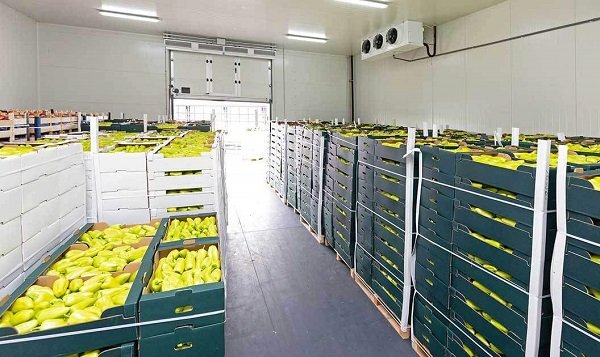
In Nigeria, the introduction of cold chain logistics has revolutionized the transportation of perishable goods. Companies are investing in refrigerated trucks and storage facilities, reducing spoilage rates for fruits and vegetables. This development not only increases the shelf life of products but also improves farmers’ incomes by minimizing post-harvest losses.

Conclusion

Improving agricultural supply chains across Africa is essential for enhancing food security, increasing farmer incomes, and promoting sustainable development. By addressing challenges such as inadequate infrastructure, limited access to technology, and fragmented systems, stakeholders can create more efficient and resilient supply chains. The combination of innovative solutions, strong cooperative models, and sustainable practices can pave the way for a prosperous agricultural sector that benefits farmers and consumers alike.

As Africa continues to invest in its agricultural future, the journey from farm to table will become increasingly streamlined, ensuring that food reaches those who need it most while empowering the continent’s farmers to thrive.

Also Read

How GPS-enabled tractors are changing the face of farming

The rise of smart farming: Precision tools for African Farms

Top 5 machinery solutions for effective pest management


Pest management has become a critical aspect of modern agriculture, especially as farmers face increasingly sophisticated threats from pests and diseases.

The integration of advanced machinery into pest management strategies not only enhances efficiency but also reduces reliance on chemical interventions, promoting a more sustainable approach to agriculture. Here, we explore the top five machinery solutions that have proven effective in pest management.

1. Precision Sprayers

Overview

Precision sprayers are designed to apply pesticides and herbicides with exceptional accuracy, minimizing chemical waste and environmental impact. These sprayers utilize advanced technology, including GPS and sensor systems, to target specific areas of the field where pests are detected.

Benefits

  • Reduced Chemical Use: By applying chemicals only where needed, farmers can significantly decrease the amount of pesticide used, leading to cost savings and less environmental contamination.
  • Enhanced Coverage: Precision sprayers can adjust spray patterns based on the crop type and pest pressure, ensuring comprehensive coverage and effective pest control.
  • Data-Driven Decisions: Integrated data collection allows farmers to make informed decisions regarding pest management strategies, optimizing their approach over time.

Examples

  • Field-Map Sprayers: These systems create maps of pest-infested areas, allowing for targeted application.
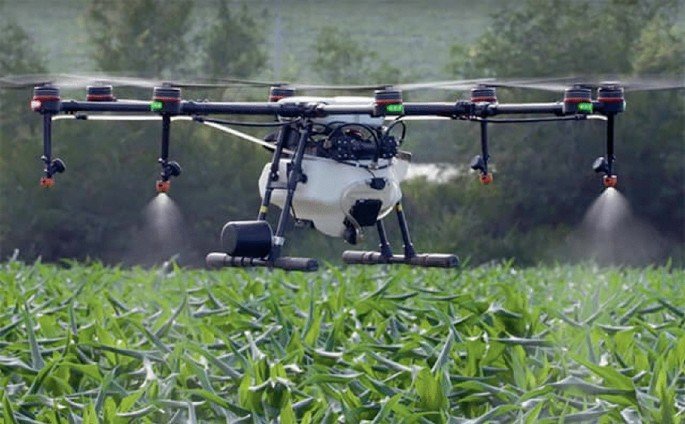
  • Drone Sprayers: Drones equipped with precision spraying technology can reach hard-to-access areas and provide real-time monitoring.

2. Automatic Pest Traps

Overview

Automatic pest traps utilize technology to detect and trap pests without the need for manual intervention. These traps often employ sensors and bait systems to lure pests and capture them for analysis.

Benefits

  • Real-Time Monitoring: Farmers receive immediate alerts about pest presence, allowing for quick responses to emerging threats.
  • Reduced Labor Costs: Automating the trapping process minimizes the need for labor-intensive pest monitoring, freeing up time for farmers to focus on other tasks.
  • Data Collection: The traps can provide valuable data on pest populations, helping farmers tailor their pest management strategies accordingly.

Examples

  • Smart Insect Traps: These traps can identify and capture specific pest species, providing insights into pest life cycles and behaviors.
  • Scented Lure Traps: Equipped with attractive scents, these traps can effectively lure pests from larger areas.

3. Mechanical Weed Control Systems

Overview

While primarily focused on weeds, mechanical weed control systems also play a critical role in pest management by disrupting the habitats of various pests. These machines include cultivators, harrows, and mowers that physically remove weeds and create a less favorable environment for pests.

Benefits

  • Non-Chemical Solution: Mechanical methods reduce the need for herbicides, leading to a healthier ecosystem and reduced chemical resistance in pests.
  • Soil Health Improvement: Tilling and cultivating help improve soil structure and health, indirectly benefiting crop resilience against pests.
  • Cost-Effective: Investing in mechanical weed control can reduce long-term costs associated with chemical applications.

Examples

  • Weed Zappers: These machines use electricity to zap weeds, killing them without harming the crops.
  • Cultivators with Camera Systems: Advanced cultivators equipped with cameras can distinguish between crops and weeds, allowing for selective weeding.

4. Integrated Pest Management (IPM) Software

Overview

IPM software solutions help farmers design and implement comprehensive pest management strategies that combine various methods—biological, cultural, physical, and chemical—to control pests sustainably.

Benefits

  • Holistic Approach: IPM software considers multiple pest control strategies, promoting a balanced approach to pest management.
  • Customized Recommendations: The software analyzes data from the farm to provide tailored recommendations based on specific pest pressures and environmental conditions.
  • Documentation and Compliance: These tools help farmers document their pest management practices, which is essential for compliance with agricultural regulations.

Examples

  • Crop Monitoring Software: These programs help farmers track pest populations and determine optimal intervention times.
  • Decision Support Systems: Tools that provide real-time data and recommendations based on field conditions.

5. Robotics and Automation

Overview

The use of robotics in agriculture is rapidly advancing, with machines designed to assist in pest management becoming increasingly prevalent. These autonomous systems can perform tasks such as monitoring, spraying, and weeding.

Benefits

  • Labor Efficiency: Robotics can operate continuously, reducing the reliance on human labor and enabling 24/7 monitoring of crops.
  • Precision and Accuracy: Robots equipped with advanced sensors can identify pest threats and apply targeted treatments with high accuracy.
  • Reduced Environmental Impact: By minimizing chemical usage and optimizing application methods, robotics can help lower the ecological footprint of farming practices.

Examples

  • Autonomous Sprayers: Robots that navigate fields autonomously, spraying only the affected areas.
  • Monitoring Drones: Equipped with imaging technology, these drones can detect pest infestations before they become severe.

Conclusion

As pest pressures continue to evolve, the need for effective and sustainable pest management solutions becomes increasingly important.

The integration of advanced machinery into pest management strategies not only enhances efficiency but also contributes to the long-term sustainability of agricultural practices.

By adopting these top five machinery solutions, farmers can better protect their crops, reduce chemical usage, and improve their overall productivity, ultimately leading to a more resilient agricultural system.

Investing in these technologies will not only benefit individual farms but also contribute to a healthier ecosystem and a more sustainable future for agriculture.

Also Read

How laser weeding technology works

The future of crop protection: AI and plant-level spraying

Used agricultural tyres: The definitive guide to finding quality solutions

0

When it comes to keeping your farm machinery operational while managing costs, sourcing used agricultural tyres can be a smart, cost-effective choice.

However, buying used tyres comes with its own set of challenges, particularly when it comes to ensuring durability, performance, and safety. This guide is designed to provide advanced insights into how you can find high-quality used tyres that meet your machinery’s needs without compromising on performance.

Why Choose Used Agricultural Tyres?

Agricultural tyres are subject to intense wear and tear, especially in challenging field conditions. While new tyres provide the optimal performance, they also come at a premium price.

Used tyres offer a lower-cost alternative that can deliver solid performance if chosen carefully. For farmers running large fleets of equipment or operating on tight budgets, buying used tyres is a strategic move that can yield significant savings, provided they know what to look for.

Key advantages of buying used agricultural tyres include:

  • Cost Savings: Used tyres can cost 30-50% less than new tyres, depending on their condition and brand.
  • Sustainability: Purchasing second-hand tyres supports recycling and reduces environmental waste.
  • Short-Term Needs: If a piece of machinery only needs a tyre for limited use or short-term projects, a used tyre might be a more economical choice.

Step-by-Step Guide to Sourcing Quality Used Agricultural Tyres

1. Determine Your Specific Tyre Requirements

Before you even start looking for used tyres, it’s essential to clearly understand what you need. This includes the tyre size, type, load capacity, and speed rating appropriate for your machinery. If you use the wrong tyre specifications, it can lead to underperformance, excessive wear, or even accidents.

Factors to consider include:

  • Tyre size: Ensure compatibility with your equipment, which may vary depending on whether you are using radial or bias ply tyres.
  • Tread pattern: Different patterns are suited to different field conditions, such as wet, soft soil or dry, hard terrain.
  • Load capacity: Ensure the tyres you’re considering can handle the weight of your equipment and the loads it will carry.
  • Terrain and application: Match your tyres to the terrain (flat, hilly, rocky) and the tasks (ploughing, tilling, transportation).

Knowing the exact specifications will save time and effort when evaluating tyre options and ensure the tyres you purchase meet your farm’s operational requirements.

2. Inspect Tyres Thoroughly for Wear and Damage

Used tyres will naturally show signs of wear, but it’s important to distinguish between cosmetic issues and serious defects that could affect performance. When inspecting used agricultural tyres, focus on the following areas:

  • Tread Depth: One of the first things to check is the remaining tread depth. Tyres with significantly worn treads won’t provide sufficient traction, especially in challenging field conditions. As a rule of thumb, avoid tyres with less than 40% of their original tread depth remaining.
  • Sidewall Integrity: Sidewall damage is a common problem in used tyres and can be difficult to detect at first glance. Look for cracks, cuts, or bulges, which can weaken the structural integrity of the tyre. A tyre with sidewall damage may not last long and is at risk of sudden failure, particularly in heavy-duty applications.
  • Bead Condition: The bead is where the tyre meets the wheel rim. Ensure there is no visible damage, such as cuts or wear that could cause issues with sealing, which could lead to air loss and reduced performance.
  • Patches and Repairs: Determine whether the tyre has been previously patched or repaired. While minor repairs, such as a properly applied patch in the tread, may not affect performance, major repairs on the sidewall or near the bead should raise red flags.
  • Check for Dry Rot: Tyres that have been improperly stored or exposed to the elements for too long can suffer from dry rot. This condition causes the rubber to degrade and crack, especially in older tyres. Even if the tread looks fine, dry rot can lead to a dangerous tyre failure.
3. Research the Tyre’s History

If possible, find out the history of the tyre before making a purchase. This includes asking where and how the tyre was previously used, as well as the type of terrain it was exposed to. A tyre that was used on rocky or uneven terrain is likely to have more internal and external damage than one used on soft, flat land.

Similarly, tyres that were overinflated or overloaded in their previous life will have compromised performance. Many reputable sellers of used agricultural tyres will provide this information, but if not, you can still make an educated guess based on the condition of the tyre.

4. Buy from Reputable Suppliers

When sourcing used agricultural tyres, it’s critical to work with trusted suppliers who specialize in second-hand agricultural equipment. Reputable suppliers are more likely to conduct thorough inspections, ensuring that the tyres meet safety and performance standards.

Look for suppliers who:

  • Offer warranties on used tyres.
  • Provide detailed condition reports.
  • Have a return or exchange policy.

Alternatively, local dealerships and farm machinery suppliers may occasionally offer used tyres as part of a trade-in program. These tyres are often inspected more rigorously than tyres bought from less specialized sources.

5. Compare Prices, but Don’t Sacrifice Quality

While price is often the main reason for considering used agricultural tyres, it’s important not to compromise on quality just to save a little extra. Tyres in poor condition or with hidden damage could cost you more in the long run through increased downtime, repairs, or even accidents.

Be sure to:

  • Compare prices across multiple sellers, ensuring you’re getting fair market value based on the tyre’s age, brand, and condition.
  • Negotiate where possible, especially if you’re buying in bulk or from a seller who offers large inventories of used tyres.
6. Evaluate Storage and Age

The age of the tyre is another key consideration when sourcing used tyres. Even if a tyre has plenty of tread left, a tyre that’s been sitting for several years may have deteriorated due to exposure to heat, sunlight, or moisture. Ideally, tyres should be stored in cool, dry environments to prevent degradation.

Look for the DOT (Department of Transportation) code on the tyre’s sidewall to determine its age. This code includes a four-digit number where the first two digits indicate the week and the last two digits indicate the year of manufacture. For example, a code of “2318” means the tyre was manufactured in the 23rd week of 2018.

7. Understand Tyre Grading

Used tyres are often graded based on their condition, and understanding these grades can help you make better purchasing decisions. Tyre grading may vary between sellers, but generally falls into the following categories:

  • A-Grade: These tyres are near-new, with minimal wear and no significant damage.
  • B-Grade: Tyres in this grade will have more wear but are still fully functional with no major defects.
  • C-Grade: Heavily worn or repaired tyres that are best suited for light, temporary use or emergency situations.
8. Check for Warranty and Return Policies

Many suppliers of used agricultural tyres offer limited warranties or return policies, which can provide extra peace of mind. This is particularly important for high-value purchases or bulk orders. A warranty can help cover unforeseen issues like rapid wear or hidden damage that wasn’t apparent during inspection.

Final Thoughts: Maximize the Value of Used Agricultural Tyres

Used agricultural tyres can be a valuable addition to your farm’s operational strategy, providing significant cost savings without sacrificing performance. However, the key to success lies in careful sourcing and thorough inspection.

By knowing your equipment’s requirements, understanding tyre wear indicators, and working with reputable suppliers, you can secure high-quality used tyres that deliver long-lasting performance in the field.

Taking the time to inspect, compare, and evaluate your options will ensure you get the best value for your investment—allowing your farm to run efficiently while keeping costs in check.

Also Read

Understanding agriculture tyre sizes: A comprehensive guide

Radial vs. bias ply tyres: What’s best for your agricultural machinery?

Understanding agriculture tyre sizes: A comprehensive guide

0

Choosing the right tyres for your agricultural machinery is crucial to farm efficiency, productivity, and cost management.

One of the key aspects to consider when selecting tyres is the tyre size, which directly impacts performance, traction, and the protection of your crops and soil. However, reading and understanding tyre size specifications can be confusing, especially with the variety of sizing systems used in the agriculture sector.

In this comprehensive guide, we’ll break down the elements of agriculture tyre sizes, explain the different sizing systems, and offer insights to help you make an informed decision when selecting the right tyres for your farm machinery.

Why Understanding Tyre Size Matters

Agricultural tyres are designed to meet specific needs based on the type of equipment, load capacity, and terrain. Tyre size affects critical factors such as:

  • Traction: Larger tyres provide better grip, especially in soft or muddy conditions.
  • Soil Compaction: Wider tyres distribute the weight of the machinery over a larger surface area, reducing soil compaction and protecting crop yields.
  • Fuel Efficiency: The correct tyre size ensures optimal fuel efficiency by minimizing rolling resistance.
  • Ride Comfort: Properly sized tyres can improve ride comfort for the operator, reducing fatigue during long hours of work.

Getting the tyre size wrong can lead to excessive wear, poor traction, and increased operational costs.

Breaking Down Tyre Size Codes

Agricultural tyre sizes are typically listed on the sidewall of the tyre. These sizes are presented in a specific format that includes numbers and letters representing the tyre’s dimensions and characteristics. Let’s look at an example to explain the meaning of each component:

Example: 18.4 R 38
  • 18.4: This represents the tyre width in inches. In this case, the tyre is 18.4 inches wide when fully inflated.
  • R: This stands for Radial construction. The letter may be “R” for radial tyres or “-” for bias-ply tyres.
  • 38: This refers to the rim diameter in inches. It indicates the size of the rim or wheel that the tyre will fit.

Thus, a tyre labeled 18.4 R 38 is a radial tyre that is 18.4 inches wide and fits a 38-inch rim.

Metric vs. Imperial Sizing Systems

Agricultural tyres can be sized using either the imperial system (inches) or the metric system (millimeters). Understanding both systems is important because different manufacturers may use one or the other.

Imperial Tyre Sizes

Imperial sizes, like the 18.4 R 38 example above, are common in North America and parts of Europe. In this system, the tyre width and rim diameter are measured in inches, and tyre construction is indicated by a letter (R for radial or “-” for bias-ply).

Metric Tyre Sizes

Metric sizes are widely used in Europe and follow a different structure. Here’s an example of a metric tyre size: 460/85 R 38.

Let’s break it down:

  • 460: This is the tyre’s width in millimeters (460 mm).
  • 85: This number represents the aspect ratio, which is the height of the sidewall as a percentage of the tyre’s width. In this case, the height of the sidewall is 85% of the tyre’s width.
  • R: As in the imperial system, this indicates a radial tyre.
  • 38: This refers to the rim diameter in inches.

To convert metric sizes to imperial, you can use simple formulas. For example, 460 mm divided by 25.4 equals 18.11 inches, so a 460/85 R 38 tyre is approximately equivalent to an 18.11 R 38 in the imperial system.

Understanding Aspect Ratio

The aspect ratio in metric tyre sizes is a crucial element that affects the performance and appearance of the tyre. A lower aspect ratio means the tyre has a shorter sidewall relative to its width, which can improve handling but may result in less cushioning on rough terrain.

A higher aspect ratio indicates a taller sidewall, providing more flexibility and cushioning, which is particularly important for improving traction and reducing soil compaction.

For instance, a tyre with a 460/85 R 38 sizing has a taller sidewall than a 460/70 R 38 tyre, even though both are 460 mm wide. The taller sidewall tyre will provide better shock absorption and a larger footprint, making it more suitable for soft or uneven ground.

Bias Ply vs. Radial Tyres: Size Differences

Both radial and bias ply tyres use similar sizing formats, but it’s important to understand that they behave differently due to their construction.

  • Radial tyres have a flexible sidewall and a larger footprint, which gives them better traction and reduces soil compaction. These tyres also have longer lifespans and provide a smoother ride.
  • Bias ply tyres have a more rigid sidewall, making them tougher and more resistant to punctures. They are often cheaper than radial tyres but may result in higher soil compaction and shorter tread life.

Tyre Size and Load Capacity

Agricultural machinery often carries heavy loads, so it’s essential to ensure the tyres are capable of handling the weight. Tyre load capacity is usually indicated by a load index printed on the tyre’s sidewall. This number correlates with the maximum weight a tyre can safely support.

For example, a load index of 146 means the tyre can support 3,000 kg (6,614 lbs) at the recommended pressure. It’s critical to match the tyre’s load capacity with the demands of your machinery and the tasks you’ll be performing.

Flotation Tyres: A Special Case

Flotation tyres are a specialized type of agricultural tyre designed to “float” on the soil, minimizing soil compaction by spreading the machine’s weight over a larger surface area. These tyres are wider and typically have a higher aspect ratio compared to standard agricultural tyres.

For instance, a flotation tyre might have a size of 850/50 R 30, meaning:

  • 850 mm wide.
  • 50% aspect ratio (the height is 50% of the width).
  • Fits a 30-inch rim.

Flotation tyres are particularly useful for wet, soft soils where soil preservation is essential.

Reading the Sidewall: Additional Markings

Beyond the tyre size, you’ll find other important markings on the sidewall that provide additional information about the tyre’s performance capabilities:

  • Speed Rating: A letter indicating the maximum speed the tyre can safely handle. For example, “A8” indicates a maximum speed of 40 km/h (25 mph).
  • Load Rating: A number that correlates to the maximum load-carrying capacity of the tyre.
  • Tyre Type: Indications such as “TL” for tubeless tyres or “TT” for tube-type tyres.

Choosing the Right Tyre Size for Your Needs

When selecting the right agricultural tyre size, consider the following factors:

  • Terrain: Softer, wet terrains require wider tyres to minimize soil compaction, while rocky or hilly terrain may benefit from tyres with higher durability and puncture resistance.
  • Machinery: The weight and horsepower of your machinery will dictate the appropriate load capacity and tyre size. Heavier machinery typically requires larger tyres to handle the increased weight without damaging the soil.
  • Application: For fieldwork, tyres with a larger footprint are ideal for minimizing compaction. If you’re performing tasks like road transport, you might need tyres with a lower aspect ratio and higher speed rating.

Conclusion

Understanding agricultural tyre sizes is essential for optimizing machinery performance, reducing soil damage, and improving fuel efficiency. By decoding the tyre size markings and considering factors like load capacity, terrain, and tyre type, you can make informed decisions that will enhance your farm’s productivity.

Whether you’re selecting radial or bias ply tyres, or looking into specialized flotation tyres, the right size and type of tyre can make all the difference in your agricultural operations.

Choosing wisely means longer tyre life, better fuel efficiency, and ultimately, higher yields. Make sure to consult your machinery’s manual and tyre manufacturer recommendations to ensure you get the perfect fit for your farm equipment.

Also Read

Radial vs. bias ply tyres: What’s best for your agricultural machinery?

Top 9 tyre maintenance tips for long-lasting farm machinery performance


Radial vs. bias ply tyres: What’s best for your agricultural machinery?

0

Choosing the right tyres for agricultural machinery is critical to farm productivity, cost savings, and soil health. The two most common types of tyres used on farm equipment are radial and bias ply tyres.

While both have their unique advantages, understanding the key differences between them can help farmers make informed decisions that best suit their specific machinery, tasks, and field conditions.

In this article, we’ll take an in-depth look at radial and bias ply tyres, comparing their construction, performance, and best-use scenarios to help you determine what’s best for your agricultural operations.

What Are Radial Tyres?

Radial tyres have a more modern construction compared to bias ply tyres. The main feature of radial tyres is their flexible sidewall and rigid tread, which are the result of their distinct construction. Radial tyres are made with layers of steel belts running perpendicular (at a 90-degree angle) to the tread, and radial plies extending across the tread. This design allows for better contact with the ground, less heat build-up, and improved flexibility.

Advantages of Radial Tyres:

  1. Better Traction: The flexible sidewalls and large footprint allow radial tyres to grip the ground more effectively, providing superior traction in muddy or wet field conditions.
  2. Reduced Soil Compaction: Radial tyres distribute the machinery’s weight more evenly across the surface, which reduces soil compaction. This is essential for preserving soil structure and optimizing crop yields.
  3. Longer Lifespan: Due to the even distribution of pressure across the tread, radial tyres tend to last longer than bias ply tyres. The reduced wear on the tread translates to cost savings over time.
  4. Fuel Efficiency: Radial tyres experience less rolling resistance, which means your machinery will consume less fuel during operation. This is particularly beneficial for large-scale farming operations where fuel costs are a significant expense.
  5. Smoother Ride: The flexible sidewalls of radial tyres absorb bumps and shocks more effectively, providing a smoother ride for operators and reducing machinery wear and tear.

Disadvantages of Radial Tyres:

  1. Higher Initial Cost: Radial tyres are more expensive to purchase upfront compared to bias ply tyres. However, their longer lifespan and fuel efficiency often make them more cost-effective in the long run.
  2. Heavier: Radial tyres tend to be heavier, which can be a drawback for smaller or older equipment that may not be designed to handle the extra weight.
  3. More Susceptible to Sidewall Damage: The flexible sidewalls that provide many of the benefits of radial tyres are also more vulnerable to damage from sharp objects or rough terrain.

What Are Bias Ply Tyres?

Bias ply tyres, also known as cross-ply tyres, have been in use for decades and are constructed with multiple layers of fabric plies placed diagonally to the tread. The plies overlap each other in a crisscross pattern, giving the tyre its name. This construction results in a more rigid sidewall, offering durability but at the cost of flexibility and traction.

bias ply tyres

Advantages of Bias Ply Tyres:

  1. Durability: Bias ply tyres are robust and resistant to cuts and punctures due to their thicker sidewalls. They can endure rough, uneven terrain, making them ideal for use in rocky or hilly environments.
  2. Lower Initial Cost: One of the main attractions of bias ply tyres is their affordability. They are generally cheaper than radial tyres, which can be a deciding factor for farmers on a tight budget.
  3. Strong Sidewalls: The rigid sidewalls provide better protection against sidewall damage, which can be an advantage when operating in harsh conditions like forests, brush, or stony ground.
  4. Better Stability at Low Speeds: Bias ply tyres offer good stability at low speeds, which can be useful for operations such as towing or working on rugged terrain where speed is not a priority.

Disadvantages of Bias Ply Tyres:

  1. Less Traction: Due to the rigid sidewalls and smaller footprint, bias ply tyres do not offer the same level of traction as radial tyres, particularly in soft or wet ground conditions.
  2. Increased Soil Compaction: The design of bias ply tyres leads to a smaller ground contact area, which concentrates the weight of the machinery over a smaller space, resulting in higher soil compaction.
  3. Shorter Lifespan: The rigid construction of bias ply tyres causes the tread to wear more quickly and unevenly, especially if the machinery is used on hard surfaces like roads or compacted soil.
  4. Higher Fuel Consumption: The stiffer construction of bias ply tyres leads to greater rolling resistance, which increases fuel consumption compared to radial tyres.

Key Differences Between Radial and Bias Ply Tyres

Feature Radial Tyres Bias Ply Tyres
Construction Steel belts and radial plies at 90° angle Crisscross layers of fabric plies
Traction Superior traction, especially in wet fields Less traction, particularly in soft soil
Soil Compaction Reduced soil compaction Increased soil compaction
Ride Comfort Smoother ride due to flexible sidewalls Stiffer, rougher ride
Durability More susceptible to sidewall damage More resistant to sidewall damage
Fuel Efficiency Better fuel economy due to lower rolling resistance Higher fuel consumption
Lifespan Longer lifespan due to even tread wear Shorter lifespan, prone to uneven wear
Cost Higher initial cost More affordable upfront

Which Tyre is Best for Your Agricultural Machinery?

Choosing between radial and bias ply tyres depends largely on your farming needs, terrain, and budget. Here’s a breakdown of which tyre type may work best for different conditions:

  • For large-scale, soft-soil farming: Radial tyres are the clear winner. Their ability to reduce soil compaction and improve traction makes them ideal for farms with large, heavy machinery working on soft or wet soil. Their longer lifespan and fuel efficiency also make them more economical in the long run, despite the higher initial cost.
  • For rough, rocky terrain: If your machinery is frequently used on rocky, uneven, or forested land, bias ply tyres may be the better option due to their durability and strong sidewalls. They can withstand harsher conditions and are less susceptible to sidewall damage from sharp objects.
  • For budget-conscious farmers: Bias ply tyres are a more affordable choice for those who need durable tyres for rugged conditions but can’t invest in the higher upfront cost of radial tyres. However, it’s important to consider the trade-off in terms of fuel efficiency and lifespan.
  • For specialized tasks: If your machinery is used primarily for high-speed road travel between fields, radial tyres offer better ride comfort and fuel efficiency. On the other hand, bias ply tyres may perform better in low-speed tasks like towing or ploughing in rough terrain.

Conclusion

Both radial and bias ply tyres have their place in agriculture, with each offering distinct benefits depending on the application.

Radial tyres shine in situations where traction, soil preservation, and long-term cost efficiency are important, while bias ply tyres offer a rugged, durable solution for harsh terrain and budget-conscious operations.

By understanding the key differences and evaluating your specific farming needs, you can select the best tyre type to enhance the performance of your agricultural machinery.

Also Read

Top 9 tyre maintenance tips for long-lasting farm machinery performance

Tires vs. Tracks: Which is best for your farm machinery?

Top 9 tyre maintenance tips for long-lasting farm machinery performance

0

Farm machinery plays a critical role in the efficiency and productivity of modern agriculture.

One often-overlooked component of farm equipment is the tyres, which bear the weight of heavy loads, traverse difficult terrain, and endure extreme weather conditions.

Proper tyre maintenance not only extends the lifespan of these vital components but also ensures optimal machinery performance, reduces downtime, and ultimately saves money. In this article, we’ll dive into essential tyre maintenance tips that every farmer should follow to keep their equipment running smoothly.

1. Regular Tyre Inspection

Frequent inspection is the foundation of proper tyre maintenance. Agricultural tyres are exposed to rough conditions, including rocks, debris, and uneven surfaces, making them susceptible to wear, punctures, and damage.

  • Check for visible damage: Inspect the tyres for cuts, cracks, bulges, or any objects lodged in the tread.
  • Look for uneven wear: Uneven tread wear can indicate incorrect tyre pressure, misalignment, or overloading.
  • Examine the sidewalls: Sidewalls are prone to cracks, particularly if tyres have been exposed to sunlight for extended periods, causing the rubber to deteriorate.

A thorough visual inspection before and after using the equipment can help detect early signs of damage and prevent unexpected breakdowns.

2. Maintain Proper Tyre Pressure

Tyre pressure plays a significant role in both the performance and longevity of farm machinery tyres. Under-inflated or over-inflated tyres can lead to serious consequences, including accelerated wear, reduced traction, and increased fuel consumption.

  • Consult the manufacturer’s guidelines: Always refer to the tyre manufacturer’s recommendations for the correct inflation pressure based on the load and application.
  • Adjust pressure according to load: Different tasks require different tyre pressures. For heavy loads, ensure tyres are inflated to the maximum recommended pressure. For lighter operations or fieldwork, slightly lower pressure may improve traction and reduce soil compaction.
  • Check pressure regularly: Tyre pressure should be checked daily or weekly, depending on the usage. Changes in temperature can cause pressure fluctuations, so it’s especially important to monitor tyre inflation during seasonal transitions.

3. Rotate and Align Tyres

Tyres on farm machinery wear at different rates depending on their position. Front tyres typically experience more wear due to steering, while rear tyres bear the brunt of traction.

  • Rotate tyres regularly: Rotating tyres ensures even wear and prolongs their lifespan. This is particularly important for 4WD tractors and other heavy-duty vehicles.
  • Check wheel alignment: Misaligned wheels can cause uneven tyre wear, reduce fuel efficiency, and affect handling. If you notice the vehicle pulling to one side or uneven wear patterns, have the alignment checked by a professional.

4. Avoid Overloading

Overloading is one of the most common causes of tyre failure in farm machinery. Exceeding the tyre’s load capacity can lead to increased heat build-up, excessive wear, and even blowouts.

  • Know your load limit: Each tyre has a specific load capacity, which can usually be found in the manufacturer’s manual or on the tyre’s sidewall. Always adhere to these limits to avoid overstraining the tyres.
  • Distribute weight evenly: Uneven loading can place undue stress on certain tyres, leading to premature failure. Make sure loads are balanced across all tyres to reduce wear and improve overall performance.

5. Monitor Tyre Tread Depth

Tread depth is critical for ensuring traction, particularly in wet or slippery conditions. Worn-out tyres not only lose their ability to grip the ground but also increase the risk of slippage and accidents.

  • Use a tread depth gauge: Regularly measure tread depth to ensure it remains within safe limits. If the tread is too shallow, it’s time to replace the tyres.
  • Watch for wear indicators: Some tyres come with built-in wear indicators that alert you when the tread has reached a critical point.

6. Reduce Soil Compaction

Soil compaction can be a major issue in farming, reducing crop yields and damaging the land. Proper tyre selection and maintenance can help minimize compaction.

  • Use low-pressure tyres: Low-pressure or flotation tyres are designed to distribute the weight of the machinery more evenly across the soil, reducing compaction.
  • Adjust tyre pressure for field conditions: Lowering tyre pressure during fieldwork can improve ground contact, reducing soil disturbance and improving traction.
  • Choose the right tyres for the job: Ensure you’re using the correct type of tyre for your farming conditions. Radial tyres, for example, have a larger footprint and offer better weight distribution than bias-ply tyres, making them ideal for reducing compaction.

7. Store Tyres Properly

Improper storage can lead to tyre deterioration, even when they’re not in use. Tyres that are left exposed to the elements can crack, harden, or lose their structural integrity.

  • Store in a cool, dry place: Avoid exposing tyres to direct sunlight or extreme weather conditions, as UV rays and heat can cause the rubber to degrade.
  • Keep tyres off the ground: Use racks or pallets to store tyres off the ground to prevent flat spots and moisture accumulation.
  • Inflate to proper storage pressure: If tyres are left on machinery for long periods without use, make sure they’re inflated to the correct pressure to avoid flat spots.

8. Schedule Professional Maintenance

While daily and weekly checks can address basic issues, professional tyre maintenance ensures that more complex problems are detected and repaired early. Trained technicians can check for hidden damage, balance the tyres, and provide alignment services.

  • Schedule periodic checks: Arrange for regular tyre inspections by professionals, particularly before peak farming seasons.
  • Re-tread when necessary: If the casing of the tyre is still in good condition, re-treading can be a cost-effective way to extend the tyre’s life.

9. Use Technology to Monitor Tyres

Advances in technology now make it easier for farmers to monitor tyre performance in real time. Tyre Pressure Monitoring Systems (TPMS) provide live updates on tyre pressure and temperature, allowing farmers to address issues before they become critical.

  • Install a TPMS: These systems alert you to any pressure irregularities, helping you maintain optimal tyre inflation and avoid costly downtime.
  • Monitor performance data: Use data from TPMS and other onboard sensors to track tyre wear, pressure changes, and temperature spikes that could signal potential issues.

Conclusion

Tyres are the unsung heroes of farm machinery, directly affecting performance, safety, and efficiency.

By following these maintenance tips—regular inspections, maintaining proper inflation, rotating tyres, and using the right technology—you can extend the lifespan of your tyres and keep your equipment running at its best.

Investing time and effort into tyre maintenance pays off in the long run, reducing downtime, cutting costs, and ensuring you get the most out of your farm machinery.

Also Read

Tires vs. Tracks: Which is best for your farm machinery?

Nokian Tyres is setting new standards in CTL segment with new size for Forest King F2

Top 9 livestock handling equipment for improved farm safety and productivity


In modern livestock farming, handling animals efficiently and safely is crucial for both animal welfare and the overall productivity of the farm.

Livestock handling equipment is designed to streamline operations, reduce stress for the animals, and minimize the risk of injury for workers.

Investing in the right equipment not only boosts farm efficiency but also ensures the long-term health of your herd.

This article will explore the top livestock handling equipment that can enhance farm safety and productivity, helping you optimize operations and create a safer environment for both animals and handlers.

1. Livestock Chutes and Headgates

Livestock chutes and headgates are essential tools for safely restraining animals during medical procedures, vaccinations, and weighing. These systems are designed to hold animals securely while reducing the risk of injury.

Hydraulic Chutes: Modern hydraulic chutes are equipped with advanced controls that allow handlers to adjust the size and pressure of the chute, ensuring a snug yet comfortable fit for the animal. These systems are particularly useful for large cattle farms, where managing heavy animals can be challenging.

Manual Chutes: For smaller operations, manual chutes provide a cost-effective option. While they require more physical labor, they are equally efficient in ensuring safe and secure animal handling.

Headgates: Often integrated into chutes, headgates hold an animal’s head in place during handling. Adjustable headgates offer flexibility for handling different sizes of animals, from calves to adult cattle.

2. Crowding Tubs and Alleyways

Crowding tubs and alleyways are Livestock handling equipment designed to guide livestock into chutes or trailers with minimal stress. These systems reduce the risk of animals panicking or injuring themselves, and they streamline the movement of livestock during loading or processing.

Crowding Tubs: These circular or semi-circular enclosures funnel animals into alleyways or chutes. The curved design encourages natural movement, helping to prevent animals from balking or backtracking. By minimizing the need for human intervention, crowding tubs improve safety for handlers.

Alleyways: Alleyways connect different sections of livestock handling facilities, guiding animals from pens to chutes or loading areas. Adjustable alleyways can be widened or narrowed to accommodate different species or sizes of livestock, ensuring that animals move through smoothly without becoming agitated.

3. Portable Loading Ramps

Loading ramps are essential Livestock handling equipment  for safely transferring livestock onto trailers or trucks. Portable loading ramps offer flexibility for farmers who need to move animals across different locations.

Adjustable Loading Ramps: Adjustable ramps allow for height modification, making it easier to align the ramp with the trailer or truck bed. This reduces stress on the animals and prevents injury from steep or uneven inclines.

Anti-Slip Surfaces: Many modern ramps are designed with anti-slip surfaces to prevent animals from losing footing, which is crucial for minimizing stress and injury during loading.

Side Rails and Gates: Side rails help guide animals up the ramp, while gates prevent them from escaping during the loading process. These features contribute to both animal safety and farm productivity.

4. Cattle Panels and Gates

Cattle panels and gates are vital for managing the flow of livestock on the farm. They are used to separate animals, control movement, and create temporary holding areas.

Heavy-Duty Cattle Panels: These durable panels are ideal for constructing pens, corrals, or temporary holding areas. Built to withstand pressure from large animals, they ensure that livestock remains secure without risk of breakouts.

Swinging and Sliding Gates: Gates allow handlers to easily control animal movement between pens or from the pen to the chute. Sliding gates are particularly useful in high-traffic areas, as they reduce the risk of animals pushing through and provide better control.

5. Electronic Ear Tags and RFID Systems

Technology is rapidly transforming livestock management. Electronic ear tags and RFID (Radio Frequency Identification) systems offer a modern way to monitor livestock health, movement, and behavior.

RFID Tags: These tags are attached to the ear of livestock, allowing farmers to track individual animals using RFID readers. RFID technology enables real-time data collection on animal health, feeding habits, and location, which can improve herd management and streamline record-keeping.

Automated Weighing Systems: Paired with RFID systems, automated weighing platforms can track the weight of animals as they pass through the chute, providing critical data for monitoring growth and health. This system eliminates the need for manual weighing, reducing stress on the animals and saving time for farmers.

6. Livestock Scales

Accurate weighing is essential for monitoring livestock health, growth, and feed efficiency. Livestock scales are designed to measure the weight of individual animals or groups in a safe and stress-free manner.

Platform Scales: These are typically installed at the entrance or exit of handling chutes, allowing farmers to weigh animals as they are processed. Modern platform scales are equipped with load cells that provide precise weight measurements and are compatible with RFID or data management systems.

Portable Scales: Portable livestock scales offer flexibility for farmers who manage livestock across multiple locations. These scales are easy to set up and transport, making them ideal for rotational grazing systems or mobile veterinary clinics.

7. Calf Cradles and Restraining Systems

Calf cradles are designed to handle young animals during branding, vaccinations, or castration. These cradles restrain calves safely and securely, reducing the risk of injury to both the animal and the handler.

Rotating Calf Cradles: Some cradles are designed to rotate the animal, providing easier access to different areas for branding or treatment. This makes the process faster and less stressful for the animal.

Calf Head Restraints: These are used to secure the head during procedures like disbudding or ear tagging, ensuring that the calf remains still without causing harm.

8. Livestock Feeders and Waterers

Efficient feeding and watering systems are critical for maintaining animal health and optimizing productivity. Automated feeders and waterers reduce labor, ensure consistent access to food and water, and minimize waste.

Automatic Waterers: These systems maintain a constant supply of fresh water for livestock, reducing the need for manual refilling. Some models are equipped with thermostats to prevent freezing during cold weather, ensuring year-round functionality.

Bulk Feeders: Bulk feeders store large amounts of feed and dispense it in controlled quantities. This not only reduces feed waste but also ensures that animals have constant access to food, improving growth rates and overall health.

9. Non-Slip Flooring

Slippery surfaces can cause injuries to both animals and handlers, especially in high-traffic areas such as chutes, pens, and loading ramps. Installing non-slip flooring materials is essential for maintaining a safe environment.

Rubber Mats: Durable and easy to clean, rubber mats provide excellent traction and cushioning for livestock. They are commonly used in handling areas and around feeding stations to reduce the risk of slips and falls.

Grooved Concrete: In permanent handling areas, grooved concrete floors offer a long-lasting solution for slip prevention. The grooves provide traction for animals while allowing for easy cleaning and drainage.

Conclusion

Investing in top-quality livestock handling equipment is essential for improving farm safety and productivity.

Whether you manage a large-scale cattle ranch or a small livestock operation, the right equipment will help you handle animals efficiently, reduce stress and injury, and optimize daily operations.

From chutes and gates to RFID systems and automated feeders, modern innovations in livestock handling can make a significant difference in the success of your farm.

By prioritizing safety and efficiency, you not only protect the well-being of your animals and workers but also boost the overall productivity and profitability of your farm.

Also Read

Cutting-Edge Vaccination and Health Monitoring Tools for Livestock Farmers

How GPS-enabled tractors are changing the face of farming

Cutting-Edge Vaccination and Health Monitoring Tools for Livestock Farmers


Livestock farming plays a pivotal role in global agriculture, contributing to food security, livelihoods, and economies.

However, managing animal health in the face of disease outbreaks, growing populations, and climate change poses significant challenges for farmers.

To address these issues, innovative tools and technologies for vaccination and health monitoring are emerging as game-changers in modern livestock management.

The Importance of Vaccination in Livestock Farming

Vaccination is a critical component of livestock health management. Diseases like foot-and-mouth disease, bovine respiratory disease, and avian influenza can devastate herds and flocks, leading to economic losses, reduced productivity, and even trade restrictions. Preventive vaccination programs can significantly reduce these risks, ensuring animals remain healthy and productive.

However, traditional vaccination methods often require significant labor, time, and expertise, especially on large farms. Inaccurate dosing or improper storage of vaccines can reduce their effectiveness, leaving animals vulnerable.

Moreover, administering vaccines on schedule is crucial to maintaining herd immunity, which can be challenging for farmers managing large or dispersed populations.

Cutting-Edge Vaccination Tools

Recent advances in livestock vaccination technology aim to simplify the process while improving effectiveness. Here are some of the most exciting innovations:

1. Automated Vaccine Delivery Systems

Automated vaccine delivery systems use smart technology to accurately administer vaccines to livestock, ensuring precise dosage and timing. These systems often come in the form of mobile units or fixed stations where animals can be vaccinated with minimal human intervention.

For example, automated syringe systems allow vaccines to be administered as animals pass through handling chutes. These systems are equipped with sensors to detect the animal’s size, species, and health status, adjusting the dosage accordingly.

This reduces human error, lowers the risk of under- or overdosing, and ensures vaccines are delivered consistently across the entire herd.

2. Needle-Free Vaccine Delivery

Needle-free vaccine technology is gaining popularity as a more humane and efficient alternative to traditional injections. These devices use high-pressure air to deliver vaccines through the skin, eliminating the need for needles. Needle-free systems reduce the risk of infections, minimize animal stress, and are quicker to administer, allowing farmers to vaccinate more animals in less time.

Additionally, needle-free technology helps prevent the transmission of bloodborne diseases, which is a concern when needles are reused across animals. This is especially important for disease control in large-scale operations where biosecurity is critical.

3. Oral Vaccines and Feed-Based Immunization

Another exciting advancement is the development of oral vaccines and feed-based immunization techniques. These methods allow vaccines to be administered through food or water, making it easier to vaccinate large herds, especially in extensive farming systems where handling individual animals is impractical.

Oral vaccines are particularly useful for diseases that affect the digestive or respiratory systems, such as certain strains of E. coli or avian flu. This approach simplifies vaccine administration, reduces stress for the animals, and minimizes labor for farmers.

Health Monitoring Tools for Livestock

In addition to advances in vaccination, cutting-edge health monitoring tools are transforming livestock management by providing real-time insights into animal health and behavior. These technologies help farmers detect health issues early, optimize treatment protocols, and improve overall herd health.

1. Wearable Health Sensors

Wearable sensors are one of the most significant breakthroughs in livestock health monitoring. These devices can be attached to animals via collars, ear tags, or even embedded under the skin. They continuously monitor vital signs such as temperature, heart rate, and activity levels, alerting farmers to any abnormalities that may indicate illness.

For example, temperature sensors can detect the onset of fever, which is often the first sign of infection. Activity monitors can track changes in movement patterns, indicating lameness or other mobility issues. These real-time alerts allow farmers to intervene early, preventing disease spread and reducing treatment costs.

2. IoT-Enabled Herd Monitoring Systems

The Internet of Things (IoT) is revolutionizing livestock farming by connecting various devices and sensors to a central system. IoT-enabled herd monitoring systems collect data from wearable sensors, cameras, and other devices, providing a comprehensive view of each animal’s health and behavior.

These systems can track individual animals within large herds, identifying those that require attention. Farmers can use the data to make informed decisions about feeding, vaccination, and treatment, improving overall herd health and productivity. IoT systems can also help identify patterns in animal behavior, allowing farmers to predict and prevent health issues before they become widespread.

3. Automated Health Scoring Systems

Automated health scoring systems use advanced algorithms to analyze data from various sources, such as sensors, cameras, and veterinary records. These systems assign health scores to each animal based on factors like body condition, mobility, and vital signs.

Farmers can use these health scores to prioritize animals for treatment or culling, ensuring that resources are allocated efficiently. Health scoring systems also provide valuable insights into the overall health of the herd, helping farmers identify trends and adjust management practices accordingly.

Benefits of Cutting-Edge Tools

The integration of advanced vaccination and health monitoring tools offers numerous benefits for livestock farmers:

  • Improved Disease Control: Automated vaccination systems ensure timely and accurate vaccine delivery, reducing the risk of disease outbreaks. Health monitoring tools detect illness early, allowing for prompt treatment and minimizing the spread of infectious diseases.
  • Increased Efficiency: Automating vaccination and health monitoring processes reduces the need for manual labor, saving time and resources. These technologies also enable farmers to manage larger herds more effectively, improving productivity.
  • Enhanced Animal Welfare: Needle-free vaccination and wearable sensors reduce animal stress and improve overall welfare. Early detection of health issues allows for timely intervention, minimizing suffering and improving the quality of care.
  • Data-Driven Decision Making: Health monitoring systems provide valuable data that farmers can use to make informed decisions about herd management. This leads to better resource allocation, reduced treatment costs, and improved long-term herd health.

Challenges and Future Prospects

Despite the promising potential of these technologies, there are some challenges to their widespread adoption. Cost remains a significant barrier for small-scale farmers, who may not have the resources to invest in cutting-edge equipment. Additionally, the complexity of these systems can require specialized training and support, which may be difficult to access in remote areas.

However, as technology continues to evolve, we can expect these tools to become more affordable and accessible. The future of livestock farming will likely see increased integration of automation, artificial intelligence, and data analytics, enabling farmers to manage animal health with greater precision and efficiency.

Conclusion

The adoption of cutting-edge vaccination and health monitoring tools is transforming the livestock industry, providing farmers with new ways to enhance animal health, productivity, and welfare.

From automated vaccine delivery systems to wearable sensors and IoT-enabled health monitoring, these technologies offer a glimpse into the future of livestock farming—one that is more efficient, humane, and sustainable.

For livestock farmers, investing in these innovations is not only a step toward better herd management but also a pathway to greater profitability and resilience in an increasingly competitive and unpredictable agricultural landscape.

Also Read

How GPS-enabled tractors are changing the face of farming

The rise of smart farming: Precision tools for African Farms

Hope for Malawi smallholder farmers as Solar-Powered African tractor enters testing phase


Malawi small holder farmers hope that a new Solar-Powered African  tractor that is undergoing field tests will be an answer to their tough top soil and ultimately help enhance farm mechanisation in the country.

Dubbed African tractor or simply Aftrak, the project, a collaboration with Loughborough University in England has been designed particulalrly for small holder farmers in rural areas.

It also aims to significantly increase crop yields and smallholder incomes while providing access to clean, green electricity in rural communities.

Key features

  • Flexible ETFE 200W Solar Panel operating at 23.4V using a boost MPPT to charge a 48V battery system
  • -Battery and inverter system with 200Ah capacity at 48V giving a total capacity of 9.6kWh. Operates as a mobile energy vector with mains ac and USB outputs
  • 12″ pneumatic lug wheels fer increased traction. 2.4kW drive motors with a top speed of 6mph
  • 5kW tool motor driving a chain system with carbide teeth and an earth redistribution auger at 1000rpm


Why Aftrak fits small holder African farmers

  • Easy to assemble, no specialists or special tools required.
  • Main tooling utilises a Hardpan Breaker
  •  Allows deep soil processing (up to 400mm)
  •  -Carbide tipped from factory
  •   Replaceable with steel blades
  • Large wheel motors to move through earth with no driver forces
  • Fully compatible and designed for Deep Bed Farming
  • Creates ready to go planting soil

Preliminary testing revealed the need for performance enhancements, including increasing the number of chains to improve land tilling.

Despite these initial setbacks, the Aftrak won the $1 million Milken-Motsepe Prize in Green Energy in May.


Also Read

Ponsse´s new solutions to improve productivity and profitability in forestry

Zimbabwe’s Champions Insurance boosts farmers with satellite imagery technology

Precision Planting and Precision Seeding: How Modern Seed Drills and Planters Improve Crop Establishment

In modern agriculture, getting seeds into the soil is only the beginning. Where each seed is placed, how deep it is planted, and how evenly plants emerge can have a major influence on crop establishment and the efficient use of land, water, nutrients and other farm inputs.

This is where precision planting and precision seeding have become increasingly important.

Modern planting and seeding equipment allows farmers to control seed placement, row spacing, planting depth and seed rate with far greater accuracy than traditional broadcasting methods.

Depending on the crop and machine, technologies such as precision seed meters, GPS guidance, electronic controls, sensors and variable-rate systems can further improve the consistency of planting operations.

Seed drills and precision planters both play important roles, but they are designed for somewhat different planting applications.

Understanding the difference between these machines — and how modern technology is changing them — is important for farmers looking to improve crop establishment and make better use of expensive seed and other farm inputs.

What Is Precision Planting and Precision Seeding?

Precision planting refers to the controlled placement of seeds in the soil according to a planned spacing, depth and plant population.

Precision seeding is closely related and generally refers to the accurate metering and placement of seed to achieve a desired seed rate, spacing and depth.

The two terms are sometimes used interchangeably, although precision planting is often used more specifically when discussing individual seed placement and precision planters.

The objective is to create conditions in which seeds have a more consistent opportunity to germinate and establish.

Traditional broadcasting involves distributing seed over a relatively large area. While effective for some crops and farming systems, broadcasting provides less control over the exact location and depth of individual seeds.

Modern planting equipment, by contrast, uses mechanical or electronic seed-metering systems, openers and depth-control mechanisms to place seed according to predetermined settings.

In more advanced systems, GPS guidance, sensors and digital controls can help operators maintain accurate rows and adjust planting rates according to field conditions.

How Does Precision Seeding Work?

Precision seeding starts with seed metering.

The metering system controls how much seed leaves the machine and, in precision planters, can separate individual seeds so they are delivered at a controlled interval.

The seed is then transported from the meter to the soil through a delivery system before being placed into a furrow created by the machine’s opener.

Several factors determine the quality of the final seed placement:

  • Seed spacing
  • Planting depth
  • Row spacing
  • Seed population
  • Seed rate
  • Forward speed
  • Soil conditions
  • Seed size and shape

After placement, closing wheels or other mechanisms cover the seed with soil.

The objective is not simply to put seed into the ground. It is to establish a consistent crop stand suited to the requirements of the particular crop and field.

The Role of Seed Drills in Modern Seeding

Seed drills remain among the most important machines used for establishing crops, particularly cereals and other crops that are planted at relatively high seed populations.

A seed drill meters seed and places it into rows at a controlled depth and rate.

Depending on the design, a drill may use mechanisms such as:

  • Seed boxes or hoppers
  • Metering systems
  • Coulters or disc openers
  • Depth-control mechanisms
  • Seed tubes
  • Press wheels
  • Covering or closing systems

Unlike broadcasting, where seed is distributed across the soil surface, a drill places seed into prepared furrows or slots.

This provides greater control over row placement, seed depth and seed rate.

Modern drills can also incorporate electronic controls, GPS guidance, variable-rate systems and monitoring technology.

However, it is important not to assume that every seed drill provides the same level of individual seed placement as a precision planter.

Seed Drill vs Precision Planter: What’s the Difference?

Seed drills and precision planters are both used to establish crops, but they have different strengths and applications.

Feature Seed drill Precision planter
Typical crops Wheat, barley, oats and other cereals Maize, sunflower, cotton and other row crops
Seed placement Controlled placement in rows Highly controlled individual seed placement
Seed spacing Controlled according to seed rate and machine settings Designed for precise plant-to-plant spacing
Metering Controls seed flow/rate Often uses precision singulation or individual seed metering
Main objective Establish a uniform crop stand efficiently Establish a specific plant population and spacing
Typical row configuration Relatively close rows Wider, crop-specific rows

The distinction is particularly important when discussing precision seeding.

A modern seed drill can provide accurate seed rates and consistent placement, but a precision planter is specifically designed to control the placement of individual seeds at predetermined intervals.

For example, a farmer planting wheat may use a seed drill to establish a relatively dense crop across many closely spaced rows.

A maize farmer, meanwhile, may use a precision planter to establish individual plants at a specific distance within each row.

Neither machine is universally better. The appropriate system depends on the crop, soil, farming system, desired plant population and operating conditions.

Key Features of Modern Seed Drills and Precision Planters

1. Accurate Seed Placement

One of the most important functions of modern planting equipment is controlling where the seed enters the soil.

Planting depth matters because seeds need suitable conditions for germination and early development.

If seeds are placed too shallow, they may be more exposed to drying conditions, birds or other environmental stresses. If they are placed excessively deep, seedlings may struggle to emerge.

Depth-control systems help maintain a more consistent planting depth as the machine moves across the field.

2. Controlled Seed Spacing

Plant spacing influences how plants compete for water, nutrients, sunlight and growing space.

Precision planters are designed to place individual seeds at predetermined intervals.

This can help farmers establish a more consistent plant population and reduce problems associated with excessive gaps or doubles.

Seed drills generally focus more on achieving a desired seed rate and row distribution rather than the individual seed spacing associated with precision planters.

3. Precision Seed Metering

Seed metering is at the heart of modern planting equipment.

A metering system controls how seed moves from the hopper into the delivery system.

On precision planters, advanced meters can be designed to separate individual seeds before delivering them to the seed tube or other delivery mechanism.

The quality of seed metering can influence spacing accuracy and the number of skips or doubles in the planted row.

4. Variable-Rate Seeding

Some modern machines can vary the seed rate according to a prescription map or changing field conditions.

This is known as variable-rate seeding.

Using information about soil characteristics, historical yields, field zones or other agronomic data, farmers can establish different target plant populations in different parts of a field.

For example, a field with areas of different productive potential may not require exactly the same seeding rate everywhere.

Variable-rate technology can therefore help farmers move away from applying one uniform rate across the entire field.

5. GPS Guidance

GPS and satellite-based guidance systems can help tractors and planting equipment maintain accurate passes across the field.

This can reduce unnecessary overlap and help maintain consistent row spacing.

More advanced systems can also integrate positioning data with planting controls, prescription maps and automatic section control.

6. Sensors and Electronic Monitoring

Modern planting equipment increasingly uses sensors to monitor the planting operation.

Depending on the machine, sensors may detect issues such as:

  • Missed seeds
  • Double seeds
  • Seed flow problems
  • Changes in seed population
  • Machine performance
  • Row-unit performance

The information can be displayed to the operator in the tractor cab, allowing problems to be identified while planting is still underway.

7. Reduced Seed Waste

Accurate metering and placement can help farmers use seed more efficiently.

This is particularly relevant where seed is expensive or where the crop requires a carefully controlled plant population.

Precision planting does not automatically eliminate seed waste, but improved control can reduce problems such as excessive seeding, skips and unnecessary overlap.

8. Adaptability to Different Crops

Planting equipment is available for a wide range of crops.

Seed drills are commonly associated with crops such as:

  • Wheat
  • Barley
  • Oats
  • Rye
  • Rice
  • Other small grains

Precision planters are widely associated with row crops such as:

  • Maize
  • Sunflower
  • Cotton
  • Sugar beet
  • Some vegetable crops
  • Other crops requiring controlled individual seed spacing

Machine configuration, seed-metering systems and row-unit design vary according to the crop.

Benefits of Precision Planting and Seeding

1. More Consistent Crop Establishment

One of the primary benefits of controlled seed placement is greater consistency in crop establishment.

When seeds are placed at suitable depths and rates, farmers can create a more uniform starting point for the crop.

However, final emergence still depends on factors including seed quality, soil moisture, temperature, soil structure and weather.

Precision equipment cannot compensate for unsuitable field conditions.

2. Better Control of Plant Population

Farmers often have a target plant population for a particular crop and production system.

Precision planters can help achieve that target by controlling individual seed spacing.

This can be particularly important for crops where plant population and spacing have a strong influence on crop management and yield potential.

3. More Efficient Use of Seed

Accurate seed metering allows farmers to control how much seed is being planted.

Instead of applying a uniform amount without accounting for field conditions, variable-rate systems can allow seeding rates to be adjusted where appropriate.

This can help improve input management.

4. Faster Planting

Modern planting equipment allows farmers to cover large areas during relatively short planting windows.

This is particularly important where weather conditions create a limited period in which soil conditions are suitable for planting.

Getting the crop established within the appropriate planting window can be an important part of farm management.

5. Reduced Overlap

GPS guidance and automatic section control can help reduce unnecessary overlap when planting irregularly shaped fields or returning to previously planted areas.

Reducing overlap can prevent unnecessary application of seed and other inputs.

6. Improved Data Collection

Modern planting equipment can generate useful operational data.

Depending on the system, farmers may be able to monitor:

  • Planted area
  • Seed population
  • Planting speed
  • Seed spacing
  • Machine performance
  • Field location
  • Variable-rate prescriptions

This information can become part of a wider precision agriculture system in which planting data is combined with soil maps, yield data and other field information.

Does Precision Planting Increase Crop Yield?

Precision planting can support better yield potential, but it is important not to assume that a precision planter automatically increases yields.

Yield depends on many factors, including:

  • Genetics
  • Soil fertility
  • Rainfall and irrigation
  • Pest and disease management
  • Planting date
  • Soil conditions
  • Weather
  • Plant population
  • Crop management

The role of precision planting is to give farmers greater control over some of the variables involved in crop establishment.

More uniform spacing and depth can help create a consistent crop stand, while accurate plant populations can help farmers match planting rates to their production system.

The actual yield benefit will vary from farm to farm.

Precision Planting and Soil Management

Modern seeding equipment can also form part of reduced-tillage and conservation agriculture systems.

Some drills are designed to place seed while disturbing relatively little soil outside the planting zone.

This can help farmers maintain more soil cover and reduce unnecessary soil disturbance, depending on the machine and farming system.

However, the relationship between precision planting and soil health depends on the entire production system rather than the planter alone.

Crop rotation, residue management, cover crops, tillage practices, organic matter and water management all influence soil condition.

The Role of Variable-Rate Technology in Precision Seeding

Variable-rate technology is becoming increasingly important in precision agriculture.

Rather than treating an entire field as if it has identical characteristics, farmers can divide fields into management zones based on available information.

These zones may be created using:

  • Soil sampling
  • Yield maps
  • Satellite imagery
  • Drone data
  • Soil conductivity measurements
  • Historical field records
  • Agronomic recommendations

A planting prescription can then specify different target seed populations for different parts of the field.

The planter or drill can use GPS positioning to determine where it is operating and adjust the rate accordingly.

The usefulness of this technology depends heavily on the quality of the data and the agronomic decisions behind the prescription.

How AI and Automation Could Change Precision Seeding

The next generation of planting equipment is becoming increasingly connected and automated.

Manufacturers are integrating more sensors, cameras, electronic controls and data-processing capabilities into planting systems.

These technologies could allow machines to identify changes in field conditions and make adjustments during operation.

Artificial intelligence and machine learning could also play a greater role in analysing field and machine data.

Automation is another area of development.

Advanced tractor and implement systems can already automate certain steering, section-control and planting functions. Further development could allow more planting operations to be managed with less direct operator intervention.

However, fully autonomous planting remains dependent on machine capability, field conditions, safety systems, connectivity and the regulatory environment.

Choosing Between a Seed Drill and a Precision Planter

The right machine depends on the crop and the farmer’s production system.

A seed drill may be the more appropriate choice where the objective is to establish crops such as wheat or barley across many closely spaced rows.

A precision planter may be more appropriate where individual seed spacing and plant population are critical, such as maize or sunflower production.

Farmers should consider:

  1. Crop type
  2. Required row spacing
  3. Target plant population
  4. Seed characteristics
  5. Farm size
  6. Soil conditions
  7. Tillage system
  8. Available tractor power
  9. Seed and input costs
  10. Availability of local service and spare parts

Technology should serve the farming system rather than being adopted simply because a machine has more electronic features.

The Future of Precision Seeding

Precision seeding is moving beyond simply placing seed at a controlled depth and rate.

Modern planting equipment is becoming part of a wider digital farming ecosystem connecting tractors, implements, GPS systems, sensors, farm-management software and agronomic data.

The direction of development is toward machines that can measure, decide and adjust more of the planting operation automatically.

For farmers, the objective remains relatively simple: establish the right crop population, at the right depth and spacing, under suitable soil conditions.

The machinery used to achieve that objective, however, is becoming increasingly sophisticated.

Also Read