Home Blog Page 42

Netafim boosts precision irrigation in Morocco with new manufacturing plant

0

Netafim, an Orbia business and a global leader in precision agriculture solutions has opened its first manufacturing plant in Morocco to enhance the successful implementation of precision irrigation in the country and strengthen the country’s agricultural sector. 

Investment in this plant illustrates the company’s long-standing commitment to helping countries in the region achieve food security and combat climate change.

Morocco is a rapidly expanding agricultural hub in North Africa with its agri-food sector driving economic and social development, contributing 21% the GDP and accounting for almost 39% of national employment.

Its prime location in the heart of EMEA and extensive transport infrastructure enable its high-value crops to be easily shipped to European markets. Morocco’s government initiatives include developing a million hectares of agricultural land while conserving water and creating 350,000 jobs for young people as part of the country’s “Green Morocco” and “Green Generation 2020-2030” plans, to support and modernize the agricultural sector.

While Morocco is a developed agricultural market, the climate poses serious challenges to farming. A devastating drought in 2022 led the United Nations to warn that water shortages will cost the region up to 14% of its GDP by 2050: the largest estimated loss to GDP due to water scarcity in the world.

Netafim’s precision irrigation technologies are ideal for use in arid conditions, maximizing yields while conserving resources. Investment in this new plant contributes to Orbia’s purpose to advance life around the world through scaling clean, smart and efficient solutions that benefit people and the planet.

“Opening this plant is both the culmination of our investment in the region and a gateway to further expansion. We are proud to support the “Green Morocco” and “Green Generation” plans championed by the government to realize the potential of Morocco’s diverse and rich natural landscape and climate. Netafim’s sustainable farming practices will help the Moroccan people and the wider region achieve prosperity and agricultural resilience,” said Gaby Miodownik, Executive Vice President and President of Orbia’s Precision Agriculture business (Netafim).

“Netafim’s factory is built right in the heart of an agricultural region to enable farmers in Morocco and across North Africa to derive enormous benefit from precision irrigation. Netafim will provide local farmers with our state-of-the-art products and services and share our agronomic and technical expertise for greater yields and long-term sustainable agriculture practices,” said Gal Yarden, Senior Vice President of Netafim’s EMEA division.

The manufacturing plant will officially open on March 2, 2023 in the Kenitra region of Morocco. The opening is expected to create 200 jobs.

Also Read

Netafim boosts precision irrigation in Morocco with new manufacturing plant

Continental and partners present Agro Tyre Pressure App

A transformed fertilizer market is needed in response to the food crisis in Africa

David Malpass

One clear message from my dozen meetings last week with African leaders who were in Washington for a summit with the U.S. government was that fertilizer prices are out of reach for most farmers, putting the crop cycle and rural stability at risk. 

Across 45 countries globally, 205 million people are in acute food insecurity, meaning they have so little access to food that their lives and livelihoods are in danger.  One key obstacle to food production in many developing countries is access to fertilizers, which enrich the soil with the nutrients needed for healthy crops.

Sufficient primary raw materials – nitrogen, potash, phosphate, and natural gas – and fertilizer production facilities are essential to farmers across the developing world, but high fertilizer prices are blocking the 2023 and 2024 crop cycle.

The challenge is particularly evident in Sub-Saharan Africa. Fertilizer prices have tripled since early 2020 and remain volatile, putting a stable supply of fertilizer out of reach of many small farmers. 

Fertilizer exports from Belarus and Russia – important fertilizer suppliers for Africa – have been disrupted by the war, while some other exporting countries have restricted the supply through export taxes, bans and licensing requirements, in part to protect their own farmers.

With agricultural prices high, farmers in more advanced countries can afford to plant more and order more fertilizer, benefiting from subsidies that often cover the cost of the natural gas needed for fertilizer and the diesel fuel needed for farm equipment.

African leaders used the summit to emphasize that farming families in developing countries will not be able to survive, much less compete.  This is the same crisis they have raised throughout the year in the G7, G20 and G24 meetings, the World Bank/IMF Annual Meetings, and the UN climate and biodiversity meetings in Egypt and Canada.

If current trends continue – high prices for natural gas and coal, commodity crops and fertilizer and elevated consumption of the available supplies by those with higher incomes and subsidies than Africa’s – the more-industrialized economies will increase their market share and dominate even more of the world’s total crop production and agricultural fossil fuel use.

This will leave little room for farming in Sub-Saharan countries, especially poorer households, resulting in a long and deep food and jobs crisis, especially in rural Africa.

The world’s ability to quickly realign energy and fertilizer supply chains in ways that leave room for poorer farmers will be one of the determining factors in the length and severity of the food crisis in Africa and the displacement of rural populations already under pressure from climate change. This entails substantial change in both advanced economies and developing countries.

The first key step is to leave room for developing countries in global natural gas and fertilizer markets. Over time, greater production is vital to replace Europe’s dependency on Russia, but in the short run, it is important for the advanced economies to avoid locking up the current supply to overly guard against risk of shortages.  Natural gas markets are being drained for future winter heating and chemical production, leaving too little for current fertilizer production, disproportionally affecting smaller fertilizer producers.

Avoiding stockpiling and increases in production should be augmented by efficiency gains and reduced subsidies for consumption. This applies to many parts of the energy supply chain, and also to fertilizer where application rates are an important part of efficiency.

They are much too low in Sub-Saharan Africa, reducing crop yields, while staying wastefully high in other parts of the world despite high fertilizer prices. This is partly due to crop subsidies. Sub-Saharan Africa has an average fertilizer application rate of 22 kilograms per hectare, compared to a world average seven-times higher (146 kilograms per hectare). Some countries, such as China and Chile, are closer to 400 kilograms per hectare.

On average globally, less than half of the nitrogen fertilizer applied at the farm contributes to plant growth, with the rest polluting our waterways. There are several explanations for the excessive use of fertilizer by higher-income farmers. The canard that more is better is one explanation.

Fertilizer is not a large cost factor given other inputs such as labor and equipment, so the amount being applied is less scrutinized. Farming practices are hard to change. Subsidies for fertilizer-hungry crops are another factor. In 2020, the U.S. used as much nitrogen just for the corn burned to make ethanol as half of all the nitrogen used across Africa for agricultural purposes.

“The world’s ability to quickly realign energy and fertilizer supply chains in ways that leave room for poorer farmers will be one of the determining factors in the length and severity of the food crisis in Africa and the displacement of rural populations already under pressure from climate change.”

Africa must help in this realignment by improving its internal trade and logistics barriers. The continent produces approximately 30 million metric tons of fertilizer each year, twice as much as it consumes.

And yet, approximately 90 percent of fertilizer consumed in Sub-Saharan Africa is imported, mostly from outside the continent. This reflects inefficiencies in shipping and port costs, distribution chains, information availability and other trade frictions. Each factor needs a concerted effort by African nations to fix the system.

Better trade infrastructure and trade facilitation measures such as harmonized rules have an important role.  When technically and economically feasible, local production can complement trade by reducing transport and logistics costs.

A large urea fertilizer plant recently opened in Nigeria to convert natural gas into fertilizer, but a portion is used to subsidize inefficient Nigerian buyers and a large portion is exported to Latin America, leaving farmers in Africa dependent on other markets.

In the meantime, several external programs are helping on the margins. Private fertilizer donations and shipments via the Black Sea Grain Initiative have helped to ease some supply challenges.

Other initiatives include the $6 billion IFC Global Food Security Platform, which is providing credit access to address liquidity constraints in the private fertilizer supply chain, and the $30 billion World Bank food and nutrition security package focused on developing countries.

The International Monetary Fund’s new Food Shock Window provides a channel for emergency financing for countries with urgent balance of payment needs related to food and fertilizer.

The G7 and World Bank are also engaging in critical partnerships such as the Global Alliance for Food Security to support countries in distress and address the key issues contributing to this crisis.

We must make sure these efforts increase availability without inadvertently destroying the decades-long effort to build up private fertilizer markets in Africa. This means continuing to support market development and enabling the private sector.

In Kenya, for example, a World Bank program providing fertilizer e-voucher subsidies helps eligible smallholder farmers purchase fertilizer from private retailers at a subsidized rate , increasing productivity by more than 50 percent, enhancing crop diversification, and building private sector capacity.

In responding, we should not miss the opportunity to build more resilient and sustainable fertilizer and agricultural markets for the future. More efficient application rates would help reduce greenhouse gas emissions.

The production and use of nitrogen fertilizer alone accounts for about 2 percent of global greenhouse gas emissions, so it is important to minimize waste.  There is also a need to invest in green fertilizer production and efficient use.

The technology to produce ammonia needed to manufacture nitrogen fertilizer with renewable energy has not yet been widely adopted. Among others, in Egypt, Kenya and South Africa, green ammonia plants are in development.

Technologies to reduce nitrous oxide emissions during fertilizer use can also be more widely applied. Increasing research and outreach efforts for digital and precision agriculture practices, technical assistance, and incentives for adopting climate smart agriculture, and investing in soil health can boost the efficiency of fertilizer application and absorption.

Importantly, we must also take advantage of existing opportunities to use public spending to build longer-term food systems resilience. Fertilizer subsidies in both developed and developing countries can be repurposed towards measures that reduce overuse, decreasing the sector’s carbon footprint while increasing fertilizer availability.

If the countries that overapply fertilizer reduced their consumption to adequate levels, access could increase in countries consuming well below the world average.

In sum, it’s urgent to make fertilizers more accessible and affordable to avoid prolonging the food crisis. Lives and livelihoods depend on the choices of policymakers. 

Kenya’s dairy sector is failing to meet domestic demand. How it can raise its game

Timothy Njagi Njeru, Egerton University


Kenya’s dairy sector is estimated at 14% of Kenya’s agricultural GDP. Milk is primarily produced by smallholder dairy farmers who account for 56% of total output.

It is estimated that the sector has 1.8 million smallholder farmers (about 80% of producers). The remaining 44% of milk output comes from large commercial farmers.

Kenya has three main production systems. Intensive production where animals are fully housed (zero-grazed); open grazing where animals roam fields; and semi-intensive systems where animals are partly zero-grazed and taken to fields.

Dairy cattle in Kenya consist of indigenous and exotic breeds; as well as crosses between the two varieties. There are more than five million dairy cattle producing an estimated four billion litres of milk annually. Milk production is projected to grow by about 150% by 2050.

Kenya has the highest per capita milk consumption in sub-Saharan Africa, at 110 litres. The demand, currently at 8 billion litres, is also expected to grow with the population increase.

The government has therefore prioritised the industry in national strategy and plans, such as the Agricultural Sector Transformation and Growth Strategy (2019-2029) and the president’s Big Four Agenda. There’s also a dairy master plan to guide the development of the industry up to 2030.

But the sector faces significant challenges that affect the realisation of its full potential. As a result, Kenya has to import from neighbouring countries to meet demand.

One of the reasons is the low average annual dairy productivity which ranges between six to eight litres per cow per day. It is important to highlight that productivity varies with production systems. The highest productivity is attained under intensive production systems. A low level of productivity increases the cost of production and affects the competitiveness of the industry.

Choice of breeds

Based on our studies at the Egerton University’s Tegemeo Institute, the dairy industry in Kenya is yet to reach its potential. To make it competitive, all players must work together to improve productivity at farm and improve efficiency of dairy markets.

Firstly, a dairy animal’s milk yield is determined by its genetic composition. Exotic cows produce much higher volumes compared to indigenous breeds. But indigenous breeds are hardier and are able to withstand harsh conditions.

The choice of breed is informed by production system, ability, experience or expertise of the farmer, and environmental factors such as climate. Artificial Insemination is the most preferred method to improve animal breeds. The artificial insemination was previously offered by the government but the service was privatised in the late 1980s as part of Kenya’s Structural Adjustment Programs. This was meant to improve the reach to farmers by private service providers.

The government supports the AI service providers by subsidising prices. The number of service providers has significantly improved, cost of the service has dropped and the access distance reduced. However, the quality of services still varies across regions.

Improving regulation and supervision of insemination, and enhancing the supply of supporting infrastructure such as semen storage, will improve the genetic composition of dairy animals.

Feed quality and cost

Secondly, feeds are essential to dairy productivity. Dairy farmers grapple with low quality and high cost of feeds. Studies show that improving the quality of fodder significantly improves milk productivity.

Fodder varies in quality based on nutrients. High quality fodder are grown. Fodder yield depends on seed quality and farm level agronomic practices. Furthermore, a farmer must have know-how on mixing different types of fodder to attain the nutrition level required by the animal. Therefore, improving farmers’ knowledge is critical.

The cost of feed and fodder varies by the production system. In intensive production systems, feed and fodder account for 55% of the cost of producing a litre of milk, while it’s 44% in open grazing systems and 37% in semi-intensive systems. For producers under intensive systems, the high costs erode profitability despite productivity being highest.

Rising costs of commercial feeds drive the cost of production up. Feed prices have continued to rise even after government waived the duty on imported raw materials.

There’s also policies such as the ban on genetically modified products which prevent feed manufacturers from accessing cheaper raw materials.

Extension services

Animal husbandry plays a critical factor in improving productivity. This is directly affected by farmers’ access to extension services. Farmers in high potential dairy production areas have formed cooperatives. These provide extension services in some areas following the collapse of government services.

However, this strategy primarily benefits farmers in high dairy production areas, mainly under extensive systems and partly in semi-extensive systems. Development partners and civil society organisations have further strengthened the role of cooperatives in delivering knowledge and technologies to farmers.

Cooperatives have suffered from governance problems, causing exit of members. The Ministry of agriculture in December 2021, reviewed the Cooperative Act in a bid to tighten the policy framework. But a stricter supervision and punishment for those abusing position of trust, can improve appeal of the societies.

Animal health

Animal health affects both productivity of milking heads and the quality of milk. Responsibility for animal health is shared between the national and county governments. Both have been working to enhance disease monitoring and surveillance by launching vaccination campaigns, especially in the open grazing areas. Regulation of veterinary service providers remains critical, especially as it pertains to safety.

Issues such as microbial resistance in both humans and animals has been linked to misuse of medicines. The government has a policy to address this. However, stringent implementation of measures on animal health and food safety is required.

Marketing

The marketing of milk and dairy products remains a key talking point for the industry. The informal market dominates the raw milk segment. This is because there are a large number of smallholder producers who are not organised in groups or cooperatives.

The informal market, however, offers a higher return to producers. A key criticism is that the milk is unsafe due to poor handling or adulteration. Defining and enforcing food safety standards for milk value chain can improve safety.

The standards should define how milk is handled, transported and packaged. Awareness among actors and consumers in the informal market could have greater results in ensuring the safety of milk to consumers.

Government policy encourages value addition and processing by cooperatives, but progress has been slow because of market concentration at processing. The largest processor controls more than a third of the market, and two processors control two-thirds of the market. The regulator should regularly monitor changes in market structure to ensure farmers receive competitive prices.

To support cooperatives in value addition, both the national and county governments have distributed milk coolers to cooperatives. However, most of these remain collection centres for processors, and few have engaged in processing. Besides, milk imports and dairy products from neighbouring countries such as Uganda, are favoured by consumers because of lower prices.

Capital

Other key challenges affecting the sector include access to capital for both farmers and value chain actors. This prevents critical investments in the industry. Furthermore, supply of public goods such as improved rural roads adversely affects the collection and delivery of milk, especially during the rainy seasons.

To revitalise the dairy industry, improving coordination across the government and stakeholders in the industry is a first step. Next, the government must address the policy incoherence in the industry.The Conversation

Timothy Njagi Njeru, Research Fellow, Tegemeo Institute, Egerton University

This article is republished from The Conversation under a Creative Commons license. Read the original article.

Also Read

Comparing the effectiveness of different grain storage bags

How Africa’s new Free Trade Area will turbocharge the continent’s agriculture industry

Plants also “cry” new study finds


It is normal for stressed plants to show altered phenotypes, including changes in color, smell, and shape. What is not normal is that plants also “cry.”

But now, scientists say they have unearthed a sound that they say is a cry from plants produced when in stress, dehydrated or cut.

And the airborne sounds can be recorded from a distance and classified, according to researcher Lilach Hadany from Tel-Aviv University in Israel.

“We recorded ultrasonic sounds emitted by tomato and tobacco plants inside an acoustic chamber, and in a greenhouse, while monitoring the plant’s physiological parameters. We developed machine learning models that succeeded in identifying the condition of the plants, including dehydration level and injury, based solely on the emitted sounds,” said the  finding published in journal Cell.

Interestingly, the informative sounds may also be detectable by other organisms. thus the reasrrch opens avenues for understanding plants and their interactions with the environment and may have significant impact on agriculture.

The theory is that plants make noises centers on their xylem, the tubes that transport water and nutrients from their roots to their stems and leaves. Water in the the xylem is held together by surface tension, just like water sucked through a drinking straw. When an air bubble forms or breaks in the xylem, it might make a little popping noise; bubble formation is more likely during drought stress.

To investigate plants’ airborne sound emissions, scientists constructed a reliable recording system, where each plant is recorded simultaneously by two microphones. First, they recorded plants within an acoustic box and developed machine learning algorithms to classify the recorded sounds.

Then they tested the system in a greenhouse, while monitoring physiological parameters of the recorded plants.

But the exact mechanism on how plants produce sound need further study because plants do not have vocal cords or lungs.

Limitations of the study
Although the study demonstrates that plant emit informative airborne sounds under stress, there are a few open issues: First, the results were obtained on a limited number of plant species, and should be tested on additional species of plants from different families.
different families.Second, future studies could explore the sounds emitted under different conditions. We observed sound emission in plants exposed to drought, cutting or TMV infection.
Scientists also acknowledged that their understanding of the sound emission mechanism is still rudimentary.
“This is an area for future investigation. Finally, our results were obtained in either a controlled acoustic environment (an acoustic chamber) or a semi-natural environment (greenhouse). Recording and analysis of plant sounds in the field, with a wider range of background noises, would present additional challenges.”
Also Read

Continental and partners present Agro Tyre Pressure App

0

Continental is now offering the Agro Tyre Pressure App, in cooperation with other tire manufacturers. This application combines the databases of each manufacturer like pressure, load and speed tables.

The app is now available in English, French, German and Polish for iOS and Android.

In agriculture, the variety of vehicles, applications and implements require regular and appropriate adaptation of tire pressures to ensure their service life and other key performances like traction, fuel savings and soil protection.

Usually, after identifying the axle loads and speed of use, the farmer should refer to the manufacturer’s documentation to define the right pressure.

If the farmer has multiple brands of tires on the fleet of agricultural vehicles, this gets even more complicated. The main challenge for the farmer: where to find all relevant information?

The new smartphone application provides easy and quick access to correct tire pressure data. By selecting load, speed, size and the tire brand, this new app truly supports farmers and dealers in their daily work.

Also Read

Bayer ,Microsoft boost agri-food industry with new digital solution


Following a 2021 strategic partnership announcement with Microsoft, Bayer recently launched new cloud-based solutions for the agri-food industry.

AgPowered Services from Bayer in combination with the new Microsoft Azure Data Manager for Agriculture provide ready-to-use capabilities available for businesses and organizations from start-ups to global enterprises to license and use for their own internal or customer-facing digital solutions.

For example, companies that develop on-farm technologies can build on the new cloud infrastructure and core capabilities from Microsoft (Azure Data Manager for Agriculture) and license additional capabilities from Bayer (Bayer AgPowered Services) to build digital tools that support favorable agronomic outcomes for growers.

Similarly, consumer goods companies can use the cloud offerings to build solutions that provide insight into nutrients, sustainability, and production practices to build trust with consumers, stakeholders and investors.

Azure Data Manager for Agriculture combines decades of Bayer’s agricultural expertise with Microsoft’s cloud solutions, advancing the industry through readymade capabilities and robust infrastructure that allow innovators to focus on differentiated value. After initial preview starting today allowing for customer exploration of both the Azure Data Manager and AgPowered Services, full commercial availability will be announced at a later date.

“Only innovation can ensure global food security while protecting the planet. Modern agriculture and food production generate a tremendous amount of valuable data that can drive productivity and sustainability,” said Dr. Robert Reiter, Head of R&D for Bayer’s Crop Science Division.

“However, this data is often disconnected, not useable throughout the value chain, and the costs to build digital solutions from scratch are high. Our new cloud-based solutions help overcome these challenges. Customers can use the infrastructure and capabilities to build their own digital solutions and products on top of the most robust collection of ag data in the world.”

These cloud offerings also support an ecosystem that allows for greater transparency along the whole food production value chain. This transparency, enabled through end-to-end interoperability, would make it easier for consumer goods companies to partner with growers based on how crops are raised and help consumers make more informed purchasing decisions based on origin practices. The potential to support sustainable agriculture and food production can ultimately benefit companies, farmers, consumers, and the planet.

“In order to enable a more sustainable future in agriculture, we must scale innovation which starts with data,” said Ralph Haupter, President of Microsoft EMEA. “Our partnership with Bayer allows us to benefit from each other’s experiences to empower organizations to address challenges in farming today.”

In addition to using the platform to develop their own internal and customer-facing digital platforms, companies and organizations will have the ability to bring their own solutions to Azure Data Manager for Agriculture and make them available for licensing, similar to how Bayer is offering these initial AgPowered Services as add-ons to Azure Data Manager robust infrastructure and core capabilities:

  • Bayer Imagery Insights – Track crop health over time and quickly identify areas in fields that need attention through a series of satellite images and supporting data within individually selected geographic areas.
  • Bayer Growing Degree Day Calculation – Provide a calculation for Growing Degree Days, a critical input for models that focus on identifying key timing of variables affecting crop growth, health and output, as well as the emergence and development of important crop insect pests and diseases.
  • Bayer Crop Water Use Maps – Gain access to map layers and supporting data that help define the amount of water a crop is using or losing during a 24-hour period. Users will be able to understand crop evaporation and transpiration levels and potential crop loss areas due to lack of water, which is a key driver for irrigation planning.

Data models powering Bayer AgPowered Services are developed using publicly available data like weather information, remote sensing like satellite imagery, decades of rich agronomic data from Bayer research and market development efforts, as well as aggregated, anonymized, and enhanced data from Climate FieldView™, Bayer’s leading digital farming solution with subscriptions across more than 220 million acres in over 20 countries.

All cloud-based solutions are designed to meet or exceed global data privacy requirements, providing data storage on the world’s most trusted cloud with leading security offerings.

Solutions built on Azure Data Manager can benefit farmers seeking to track disease, pest and weed pressure, apply precision inputs, identify crop growth and production patterns, measure potential yield, track and capture carbon emissions, and analyze heat stress impact, rainfall, hail and weather data. In addition to bringing the first AgPowered Services to the cloud offering, Bayer is using capabilities from Azure Data Manager to power insights in FieldView.

Using these cloud-based enterprise solutions, value chain partners will be able to apply insights into supply projections, sustainable sourcing, and ESG reporting. They will also be able to meet quickly changing consumer preferences for fresh, high-quality ingredients with data driven insights that allow for optimization of harvest, transport, and ripening processes as well as advanced traceability of food ingredients.

“This is an important step towards accelerating the impact of big data and agriculture. With high-quality data fueling insights, we expect to see a value chain that is more predictable, more transparent, and importantly, where value is shared all the way back to producers,” said Jeremy Williams, Head of Climate and Digital Farming at Bayer’s Crop Science Division.

“This is how we incentivize sustainable business models to drive these regenerative agriculture ecosystem benefits, providing growers options to meaningfully connect with supply chains that start on their farms.”

The partnership between Microsoft and Bayer is a significant, strategic step forward in accomplishing Bayer’s ambitious target of 100-percent digitally enabled sales in its Crop Science division by 2030 and accelerating its ability to bring new value and deliver outcomes-based, digitally enabled solutions to farmer customers.

Bayer is committed to setting a new standard for the industry in data-driven, digital innovation.

Also Read

John Deere Invests in ag-tech company Hello Tractor

UK awards £9.13m to develop cutting-edge farming technology


10 World’s Best-Selling Tractor Brands (2025 Update)


In the ever-evolving world of agriculture, the tractor remains the undisputed workhorse.

As global food demands grow and farming becomes more sophisticated, choosing the right machine is more critical than ever.

In 2025, the conversation around the best tractor brands is not just about raw power; it’s about technology, efficiency, fuel economy, and support.

For emerging agricultural powerhouses, particularly across Africa, the drive towards mechanization makes this decision a cornerstone of future productivity.

Understanding which tractor manufacturers worldwide are leading the pack can provide valuable insights for farmers and investors looking to cultivate success.

This guide breaks down the top 10 tractor companies based on their global performance, innovation, and relevance in 2025.

We will explore what makes each brand a leader and how they are making an impact on the African continent.

Quick Summary: Top 10 Tractor Brands of 2025

Here’s a snapshot of the brands leading the global market. While precise market share figures fluctuate, this ranking reflects their current standing based on sales volume, revenue, and global presence.

Top 10 Tractor Brands — Market Presence in Africa

Rank Brand Country Market Share Presence in Africa
1 John Deere USA Global leader in revenue, strong in large-scale farming tech. Strong, especially in South Africa & commercial farming.
2 Mahindra India World’s largest by unit volume, dominates small to mid-size. Growing rapidly, strong in Nigeria and West Africa.
3 Massey Ferguson USA (AGCO) Historic brand with a vast global dealer network. Extremely strong and established across the continent.
4 New Holland Italy (CNH) Innovative, with a wide range of tractors for all needs. Well-established, particularly in North and South Africa.
5 Kubota Japan Leader in compact and sub-compact tractors, known for reliability. Strong presence, especially for specialized and small-scale farming.
6 Case IH USA (CNH) Known for high-horsepower tractors and innovative technology. Significant presence in commercial agriculture sectors.
7 Sonalika India Rapidly growing global player, focuses on affordability. Aggressively expanding, popular in East and West Africa.
8 Fendt / Valtra Germany / Finland (AGCO) Premium technology (Fendt) and customization (Valtra). Fendt is niche; Valtra is strong in specific regions like East Africa.
9 Claas Germany Known for harvesting equipment, with a growing tractor line. Established in key markets, especially South Africa.
10 Deutz-Fahr Germany Focus on German engineering, efficiency, and technology. Solid presence with a reputation for durable engines.


Detailed Profiles of the World’s Best Tractor Brands

Let’s dive deeper into what makes these tractor brands the leaders in 2025.

1. John Deere

History & Strengths:
Founded in 1837, John Deere is arguably the most recognizable name in agriculture. The brand’s iconic green and yellow livery is synonymous with quality, durability, and cutting-edge technology.

John Deere’s strength lies in its comprehensive ecosystem, from powerful tractors and combines to advanced precision agriculture software.

Their extensive dealer network ensures excellent parts availability and service, a major factor for farmers who cannot afford downtime.

Global Performance in 2025:
John Deere continues to lead the industry in terms of revenue. In 2025, their focus is on autonomous technology and data management platforms like the John Deere Operations Center.

They command a significant market share in North America, Europe, and South America, especially in the large-scale, high-horsepower segment.

Popular Tractor Models:

  • 8R Series: A favorite for large-scale row-crop farming, blending high horsepower with smart technology.
  • 6M Series: A versatile, all-around utility tractor popular for its balance of power and maneuverability.
  • 5E Series: A reliable utility tractor that appeals to smaller and mid-sized operations.

Presence in Africa:
John Deere has a formidable presence across Africa, with a particularly strong foothold in South Africa’s commercial farming sector.

Their dealer network is expanding into key markets like Kenya, Zambia, and Nigeria.

While their machines often come at a premium price, their reputation for longevity and high resale value makes them a trusted investment for large agribusinesses.

2. Mahindra

History & Strengths:
Mahindra & Mahindra, part of the Indian multinational Mahindra Group, has held the title of the world’s largest tractor manufacturer by unit volume for over a decade.

Their core strength is producing rugged, fuel-efficient, and affordable tractors.

Mahindra focuses on the small-to-mid-horsepower range, making their machines ideal for the majority of farmers worldwide.

Global Performance in 2025:
Mahindra’s global strategy continues to pay off. They dominate the Indian market and have made significant inroads in the USA, Australia, and Turkey.

Their “value for money” proposition resonates with farmers who need a reliable, no-frills workhorse.

In 2025, they are expanding their electric tractor lineup and enhancing their digital farm advisory services.

Popular Tractor Models:

  • Mahindra JIVO series: Compact tractors perfect for orchards, vineyards, and smallholdings.
  • Mahindra YUVO series: Versatile utility tractors known for their powerful engines and lifting capacity.
  • Arjun Novo series: A more premium offering with advanced features for enhanced productivity.

Presence in Africa:
Mahindra is one of the fastest-growing tractor brands in Africa. Their affordability and durability are well-suited to the continent’s farming conditions.

They have assembly plants in several countries and a strong presence in Nigeria, Algeria, and across West Africa. They are often the brand of choice for government subsidy programs aimed at boosting mechanization.

3. Massey Ferguson

History & Strengths:
With a heritage dating back to 1847, Massey Ferguson (a flagship brand of AGCO) is a global icon. The brand is known for its straightforward, reliable, and powerful tractors.

One of its greatest strengths is its massive and deeply entrenched global dealer network, which ensures parts and service are available even in remote areas—a critical advantage for farmers.

Global Performance in 2025:
Massey Ferguson maintains a strong global position by offering a “tractor for every farmer.” Their product lineup spans from small compact tractors to high-horsepower machines.

In 2025, the brand continues to innovate with its “MF NEXT” concept, focusing on connectivity and user-friendly technology, while retaining its core values of reliability and ease of use.

Popular Tractor Models:

  • MF 4700 Global Series: Designed to be a robust, modern utility tractor for markets worldwide.
  • MF 2600 Series: A simple, tough, and popular choice for small to medium farms, especially in developing markets.
  • MF 8S Series: An award-winning high-horsepower tractor known for its unique “Protect-U” design that reduces noise and vibration.

Presence in Africa:
Massey Ferguson is a household name in African agriculture. For decades, it has been one of the most popular tractors on the continent due to its legendary durability and simplicity.

From the sugarcane fields of South Africa to the maize farms of Kenya and the cocoa plantations of Nigeria, the red tractors are everywhere.

Their assembly plant in Algeria further cements their commitment to the region.

4. New Holland

History & Strengths:
Part of CNH Industrial, New Holland Agriculture has a rich history of innovation. They are credited with many industry firsts, including advancements in safety and alternative fuel technology.

The brand is known for its wide product range, stylish design (often in its signature blue color), and focus on sustainable farming with concepts like the Methane Power Tractor.

Global Performance in 2025:
New Holland holds a strong market position, especially in Europe and South America. They compete across all segments, from compact tractors to the highest horsepower machines for broadacre farming.

Their 2025 strategy emphasizes clean energy solutions and precision farming tools that are accessible to a wider range of farmers.

Popular Tractor Models:

  • T7 Series: A powerful and versatile tractor favored for its performance and comfort.
  • TD5 Series: A reliable, all-purpose utility tractor that offers excellent value.
  • Boomer Series: A lineup of compact tractors designed for lifestyle farmers and smallholders.

Presence in Africa:
New Holland has a long-standing and robust presence across Africa. They have a strong distribution network, particularly in North Africa (Algeria, Morocco) and South Africa.

Their wide range of models allows them to cater to both small-scale farmers and large commercial enterprises, making them one of the key tractor brands on the continent.

5. Kubota

History & Strengths:
Founded in Osaka, Japan, in 1890, Kubota started by producing cast iron pipes before moving into engine and tractor manufacturing.

Kubota’s reputation is built on legendary reliability, high-quality engineering, and powerful diesel engines.

They are the world leader in the compact and sub-compact tractor market, making them a favorite for landscaping, small farms, and specialized agriculture.

Global Performance in 2025:
Kubota continues its impressive growth trajectory. While still dominant in the compact segment, they are successfully pushing into higher horsepower ranges with their M-series tractors.

Their North American and European market share continues to expand. In 2025, Kubota is heavily investing in “smart agriculture” solutions and autonomous technology for smaller-scale operations.

Popular Tractor Models:

  • BX Series: The best-selling sub-compact tractor in the USA, known for its versatility.
  • L01 Series: A highly popular compact utility tractor famous for its durability and ease of use.
  • M7 Series: Kubota’s entry into the high-horsepower agricultural segment, challenging established players.

Presence in Africa:
Kubota’s presence in Africa is growing steadily. Their compact tractors are ideal for horticulture, smallholder farms, and operations where maneuverability is key. They have a strong presence in South Africa, Kenya, and Egypt.

The brand’s reliability is a major selling point in regions where service infrastructure can be a challenge.

6. Case IH

History & Strengths:
Also a brand of CNH Industrial, Case IH has a legacy rooted in agricultural innovation, including the first mass-produced diesel row-crop tractor.

Case IH is renowned for its focus on powerful, high-efficiency tractors designed for large-scale, professional farmers.

Their red machines are known for their robustness and advanced technology, particularly in tracked tractors with their Quadtrac series.

Global Performance in 2025:
Case IH is a major player in the high-horsepower market, competing directly with John Deere. They hold a strong position in North America, Europe, and Australia.

Their 2025 focus includes expanding their AFS Connect platform for farm management and developing autonomous concepts to address labor shortages in large-scale agriculture.

Popular Tractor Models:

  • Magnum Series: An iconic row-crop tractor known for its power, reliability, and operator comfort.
  • Steiger Quadtrac: The industry-leading articulated tracked tractor, designed for maximum power and minimal soil compaction.
  • Farmall Series: A historic nameplate revived for a line of versatile utility tractors.

Presence in Africa:
Case IH is well-represented in Africa’s commercial farming sector. Their high-horsepower tractors are used extensively in South Africa, Zambia, and other countries with large farms.

The brand’s reputation for productivity and power makes it a preferred choice for agribusinesses aiming for maximum efficiency.

7. Sonalika

History & Strengths:
Sonalika (International Tractors Limited) is one of India’s youngest and most dynamic tractor manufacturers.

Their rapid rise is attributed to a strategy of creating customized, heavy-duty tractors at competitive prices. They operate the world’s largest integrated tractor manufacturing plant, allowing for great flexibility and economies of scale.

Global Performance in 2025:
Sonalika is a formidable export powerhouse, shipping tractors to over 150 countries. They are one of the fastest-growing tractor brands globally and a top brand in several countries across Asia and Europe.

Their 2025 vision is to break into the top tier of global manufacturers by focusing on technology-driven, affordable solutions for farmers.

Popular Tractor Models:

  • Solis Series: The brand’s export lineup, which includes a range of tractors from 20hp to 120hp.
  • Sikander Series: A heavy-duty range popular in the domestic Indian market, known for its powerful performance.

Presence in Africa:
Sonalika has made aggressive moves into the African market. Their combination of robust build quality and affordability is a winning formula.

They have assembly partners in Nigeria and Algeria and are rapidly gaining market share in countries like Kenya and Tanzania. They are often seen as a strong, cost-effective alternative to more established brands.

8. Fendt & Valtra (AGCO Corporation)

History & Strengths:
Though distinct brands, Fendt (Germany) and Valtra (Finland) are both premium offerings from AGCO.

  • Fendt is the “Rolls-Royce” of tractors, known for its cutting-edge technology, efficiency, and superior operator comfort. The Vario transmission is a hallmark of the brand.
  • Valtra is famous for its customization. Customers can build their tractors to their exact specifications. They are also known for their ruggedness, particularly suited for forestry and tough conditions.

Global Performance in 2025:
Fendt continues to dominate the premium technology segment in Europe. Valtra maintains a strong following in the Nordic countries and South America.

AGCO’s strategy is to position Fendt as the technology leader and Valtra as the ultimate customizable workhorse, together covering the high-end market effectively.

Popular Tractor Models:

  • Fendt 700 Vario: Widely regarded as one of the best all-around tractors for its balance of power, technology, and comfort.
  • Valtra T Series: An award-winning series known for its power, versatility, and custom options.

Presence in Africa:
Fendt’s presence in Africa is niche, primarily serving large corporate farms in South Africa that demand the highest level of technology.

Valtra, however, has a stronger and more practical presence. Its durability and customized builds are well-regarded in East Africa and for specialized applications like sugarcane haulage.

9. Claas

History & Strengths:
Claas is a German family-owned company best known for its world-class harvesting machinery, especially the Jaguar forage harvester and Lexion combines.

They expanded into the tractor market by acquiring Renault Agriculture in 2003. Their tractors benefit from Claas’s overall expertise in agricultural engineering, efficiency, and electronics.

Global Performance in 2025:
While not as large as John Deere or CNH in tractor sales, Claas has a very strong and loyal customer base, particularly in Europe.

Their strategy is to offer a full line of equipment, allowing farmers to purchase a complete fleet from a single, trusted brand. The Xerion tractor is a unique product that showcases their engineering prowess.

Popular Tractor Models:

  • Arion Series: A versatile utility to mid-range tractor that is a strong competitor in its class.
  • Axion Series: High-horsepower tractors for demanding fieldwork.
  • Xerion: A unique, large-frame tractor with four equal-sized wheels and multiple steering modes for specialized tasks.

Presence in Africa:
Claas has a solid dealer network in key African markets, with a strong base in South Africa. Farmers who trust Claas harvesters are often inclined to purchase their tractors. The brand is respected for its German engineering and high-quality build.

10. Deutz-Fahr

History & Strengths:
Deutz-Fahr is a German brand with a long history of engine innovation; Nicolaus Otto, the inventor of the four-stroke engine, founded one of its predecessor companies.

This legacy continues today, as Deutz-Fahr tractors are praised for their powerful, reliable, and fuel-efficient engines.

The brand focuses on delivering German engineering with a strong emphasis on operational efficiency.

Global Performance in 2025:
Deutz-Fahr, part of the SDF Group, holds a significant market share in Europe. They are known for offering technologically advanced features at a competitive price point.

Their modern tractor designs and focus on operator comfort have helped them win numerous awards and a growing global following.

Popular Tractor Models:

  • Series 6: A versatile range of tractors that balances technology, performance, and efficiency.
  • Agrotron K Series: Compact and maneuverable tractors that don’t compromise on power.

Presence in Africa:
Deutz-Fahr has a consistent presence in Africa, appreciated for its durable engines that can handle tough working conditions.

Their machines are seen as reliable and efficient, making them a solid choice for medium to large farming operations across the continent, with established service networks in several countries.


The African Context: Connecting Global Rankings to Local Fields

While global rankings are driven by sales in massive markets like North America, Europe, and India, the African story has its own dynamics. The brands that succeed here are those that understand the unique challenges and opportunities.

  • In South Africa, the market is mature and mirrors global trends. High-tech, high-horsepower brands like John Deere, Case IH, and Fendt are common in the highly commercialized agricultural sector.
  • In Nigeria, affordability, durability, and mechanization policies are key drivers. This has created a massive opportunity for brands like Mahindra and Sonalika, which offer cost-effective and robust machines perfectly suited for the country’s push to increase local food production.
  • In Kenya, there is a diverse mix. Massey Ferguson has a historic stronghold. However, Kubota is gaining ground with smallholders in the horticulture sector, while New Holland and John Deere serve larger commercial farms.

The most popular tractors in Africa are often those that strike a perfect balance between modern features and simple, robust mechanics that can be easily serviced.

Buying Guide: How to Choose the Right Tractor Brand

Choosing a brand is just as important as choosing a specific model. Here are five factors to consider:

  1. Parts & Service Availability: A broken-down tractor is useless. Choose a brand with a strong, reliable dealer network in your region. Ask about part availability and technician response times.
  2. Power & Size Needs: Don’t overbuy. A massive tractor is inefficient for a small farm. Match the tractor’s horsepower (HP) to your primary tasks and implement sizes. Compact tractors are perfect for orchards, while large-scale grain farming requires high HP.
  3. Durability & Reliability: Look for brands with a proven track record of longevity in local conditions. A tractor is a long-term investment. Brands like Massey Ferguson and Mahindra have built their African reputation on durability.
  4. Cost vs. Value: The cheapest tractor is not always the best value. Consider the total cost of ownership, including fuel consumption, maintenance costs, and potential resale value. Premium brands may cost more upfront but save money in the long run.
  5. Resale Value: Brands with strong reputations, like John Deere and Massey Ferguson, often hold their value better. This is an important consideration for when you plan to upgrade your equipment in the future.

Frequently Asked Questions (FAQ)

1. Which is the No. 1 tractor brand in the world in 2025?
By unit sales (the number of tractors sold), India’s Mahindra is the No. 1 brand. By revenue, the American giant John Deere is the largest tractor company in the world.

2. Which tractor brand is best for small-scale farmers in Africa?
Brands like Mahindra, Sonalika, and Kubota are excellent choices. They offer affordable, reliable, and fuel-efficient compact and utility tractors that are well-suited for the needs and budget of smallholder farmers. The Massey Ferguson 2600 series also remains a top contender due to its simplicity and wide service network.

3. Which tractor brand is the most affordable in 2025?
Generally, Indian manufacturers like Mahindra and Sonalika are known for offering some of the most affordable and value-driven tractors on the global market. Their business model is built on producing high volumes of robust, cost-effective machines.

4. Are German tractor brands better than American ones?
Not necessarily “better,” but different. German brands like Fendt, Claas, and Deutz-Fahr are renowned for their precision engineering, advanced technology, and efficiency. American brands like John Deere and Case IH are known for their powerful, durable machines built for large-scale agriculture and have equally advanced tech platforms. The “best” choice depends entirely on the farmer’s specific needs and priorities.

Conclusion

The global tractor market in 2025 is more competitive than ever, with each of the top 10 tractor companies bringing unique strengths to the table.

From the technological prowess of John Deere and Fendt to the volume-driven affordability of Mahindra and Sonalika, there is a machine for every type of farm.

For Africa, the continued drive for mechanization represents a monumental opportunity. The brands that will truly succeed are those that provide not just a tractor, but a complete ecosystem of support, service, and parts.

As the continent’s agricultural sector continues to grow, its farmers will play an increasingly vital role in shaping the future of these global tractor brands.

To learn more about which brands are making the biggest impact locally, read our detailed guide on the 7 Best-Selling Tractor Brands in Africa.


Also Read

Used Combine Harvester for Sale: What Farmers Should Check Before Buying

Top Tractor Supply Companies Farmers Can Trust in 2025

New Holland releasing new T7.300 long wheelbase tractor


A new power-to-weight ratio and performance standard is being set by New Holland Agriculture with the North America introduction of the T7.300 Long Wheelbase (LWB) tractor with PLM Intelligence.

As the most powerful and compact tractor in its power bracket, it delivers more power while maintaining the dimensions and maneuverability of other T7 models. Complementing this performance, the new model utilizes the superior operator environment of the Horizon Ultra cab and a range of inter-cab technology and features to maximize productivity, efficiency and uptime.

“Our customers told us they wanted a tractor with more power without the downside of bigger frames and more weight, and they didn’t want to sacrifice maneuverability,” said Oscar Baroncelli, Head of Tractors New Holland.

“We took up their challenge and developed the new T7.300 Long Wheelbase: it delivers greater engine power with larger tires, with no increase at all in overall dimension – it’s a design feature we call Ultimate Performance Density.”

Ultimate performance power starts under the hood

The tractor features an enhanced FPT Industrial NEF 6 engine that delivers 280 HP maximum power for draft work and 300 HP for PTO and haulage jobs. It also includes the new Electronic Variable Geometry Turbo, which ensures high torque and fuel efficiency at lower RPMs. Contributing to overall efficiency is an upgraded version of the Auto Command transmission function, the best-in-class driveline for tractive effort. Overall, the new T7.300 LWB tractor helps operators reduce stops by increasing fuel capacity by 18% and decreasing service intervals by 50% compared to some competitors.

The capabilities of the T7.300 LWB tractor continue to go above and beyond with increased axle functions and higher weight-holding features. The increased traction and soil performance of 2.05-meter/6.7-foot-tall tires, along with dimension continuity from previous T7 models, enables the T7.300 LWB tractor to deliver ultimate performance on any terrain.

Smart innovations take the T7.300 LWB to the next level

The T7.300 LWB tractor provides more processing power, superior implement connectivity and in-cab convenience to meet customer needs. The new model comes equipped with a variety of smart technology features, including Tractor Implement Management (TIM), a system that allows two-way communication between the tractor and implements for improved operator control. For example, when using the Integrated Large Square Baler Control the interaction with this tractor, cab movement will be reduced by 15% and fuel consumption is reduced by 12%, while maintaining a consistent PTO speed and reducing input costs.

Additionally, the T7.300 LWB tractor sports the New Holland’s PLM Intelligence system, which integrates data technology to connect operators and farmers to the field to optimize yield potential. This includes the:

  • IntelliView monitor that gives operators a complete view of the fieldwork ahead.
  • IntelliSteer autosteering and IntelliTurn automated end-of-row turning are added features to increase productivity.

In addition to advanced connectivity, customers can connect to PLM products through MyPLM Connect to view real-time information from the field, while dealers can provide remote diagnostic support through the monitor to help the operator get back to work.

Superior comfort and ergonomics in the quietest cab on the market

Comfort and smooth riding are pillars of the new T7.300 LWB tractor. This tractor leverages the superior comfort of the Horizon Ultra cab, the quietest cab on the market with 66 decibels, and new Comfort Ride suspension, the active electro-hydraulics system that mitigates cab movement from the chassis with a “skyhook” control logic. The result is a smooth, comfortable and quiet ride, which combined with the supreme forward visibility and the ergonomic controls, make the T7.300 a new benchmark for heavy front loader works.

All T7 models have a reputation for providing high-level hydraulic performance, this T7.300 is no different. It utilizes new features like high flow, electro-hydraulic remotes that have fully configurable controls, and a new hydraulic circuit with an optimized design to reduce connections by 30% and feature remote test ports for fast fault finding.

Customers will also be able to manage heavy implements with confidence with the new self-centering hydraulic stabilizers with adjustable lock point. The customizable advanced joystick controls up to 6 remote valves, providing excellent operator ergonomics.

Also Read

State of tractor sales in South Africa in the month of February 2023

Case IH Launches AFS Connect Puma tractor

CEAT partners with CNH Industrial for agriculture radial tire fitments

0

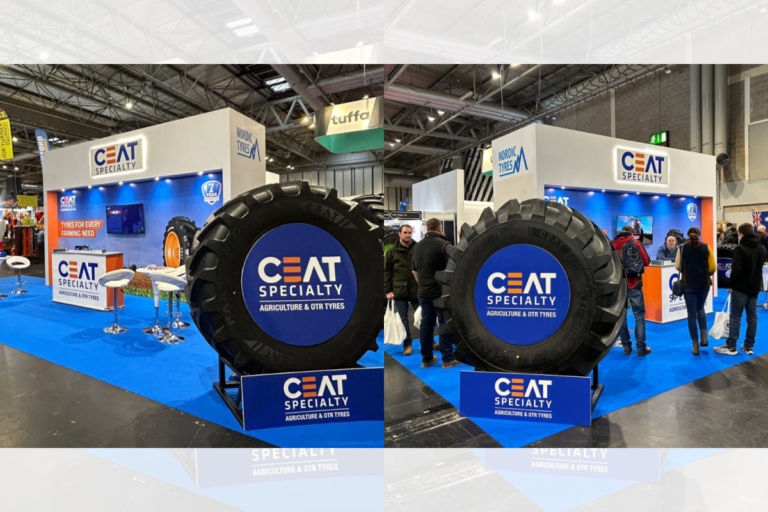
CEAT Specialty (a division of CEAT Tires) has entered into an agreement with CNH Industrial to supply FARMAX agricultural radial tires for their Case IH and New Holland tractors being produced in Brazil and Argentina.

The agreement was locked after several rounds of assessment and audits by the OEM of the Mumbai-based radial plant of CEAT and after multiple tests done on tires on various parameters.

“We have always been confident about the quality of our agriculture radials ever since we introduced them to the world in 2017. We have invested in world class technologies and the best people to design our products.

This partnership with CNH Industrial further lends credibility to that. We hope to be a long-term partner to them and want to help farmers grow their productivity,” says Amit Tolani, Chief Executive, CEAT Specialty.

CEAT Specialty Tires, with its North American headquarters in Jefferson City, MO, has been selling Ag tires in North America for six years now with steadily gaining market share.

FARMAX Radials

Durable and efficient, FARMAX radial farm tractor tires are designed to deliver enhanced roadability, superior traction, and longer service life, raising the levels of efficiency on farms and ranches across North America. The reviews from tire dealers and farmers have been outstanding.

Also Read

Syngenta unveils major crop protection Centre in Kenya

RegenZ, Solynta partner to bring hybrid potatoes to South Africa


RegenZ, Solynta partner to bring hybrid potatoes to South Africa


South African seed potato producer RegenZ and European hybrid potato seed innovator Solynta announced recently a partnership to bring hybrid true potatoes to the South African farming community.

The companies will collaborate in further trials and join forces to facilitate the introduction of Solynta’s ‘climate smart’ and disease-free genetics to the South African farmer. With limited water resources, reduced farming land area and further limits on chemical inputs, the Solynta hybrid true potato seeds offer the best starting material for good yields and healthy potatoes.

“We believe that introduction of Solynta’s innovative hybrid potato technology in South Africa will bring huge benefits to the potato producing farming communities,” says Justin Platt, Managing Director of RegenZ.

“We see from Solynta field trials in the region that the technology can contribute towards a more efficient and sustainable potato production. Hybrid True Potato Seeds (HTPS) have the capacity to address food security goals in line with South African government objectives. With its unique ability to build in disease resistances, Solynta’s hybrids will deliver a predictable and rapid flow of improved products.

By delivering these genetics through true seeds, many other advantages, such as the provision of disease-free seed and a reduction in storage and transport costs, will be achieved. Therefore, we believe it has great value to both commercial and smallholder potato farmers to collaborate with Solynta on the formal introduction of hybrid true potato seed in South Africa.”

Charles Miller, Solynta’s Commercial Director, emphasizes the global impact of the new hybrid potato varieties.

“This partnership marks the shared values of our companies,” says Miller. “Like RegenZ, Solynta is committed to developing sustainable innovations that improve the quality of life. For Solynta, that means ensuring that nutritious, easy-to-grow potatoes are abundantly available to fight food insecurity.”

“Solynta’s new hybrid true potato varieties have been developed to offer an answer to the nutrition security challenges that the world is facing,” he adds. “Our non-GMO, disease-free potato seed delivers highly delicious and nutritious potatoes and requires fewer pesticides to produce great yield.”

On the partnership with RegenZ, he says, “The goal of this collaboration, for Solynta, is to benefit local farmers – in South Africa and worldwide. As potato production makes up 45% of the country’s total vegetable production, exceeding 51 000 ha per year, it is clearly one of the most important vegetable crops in South Africa.

With Solynta’s seeds, local farmers will benefit from using the best, clean and disease-free starting material for their potato production. We look forward to working with RegenZ to develop and introduce potato cultivars that will thrive and prosper in South Africa. Acting as Solynta’s representative in the region, RegenZ is playing a critical role in navigating the commercial and regulatory challenges associated with establishing HTPS in South and Southern Africa.

This includes collaborating with the Department of Agriculture, Land Reform and Rural Development [DALRRD] and other key industry stakeholders on establishing a suitable regulatory framework for the safe introduction of HTPS into the market.”

Also Read

Syngenta unveils major crop protection Centre in Kenya

Changing consumer attitudes with late-blight-resistant GM potatoes