Home Blog Page 8

Used Combine Harvester for Sale: What Farmers Should Check Before Buying


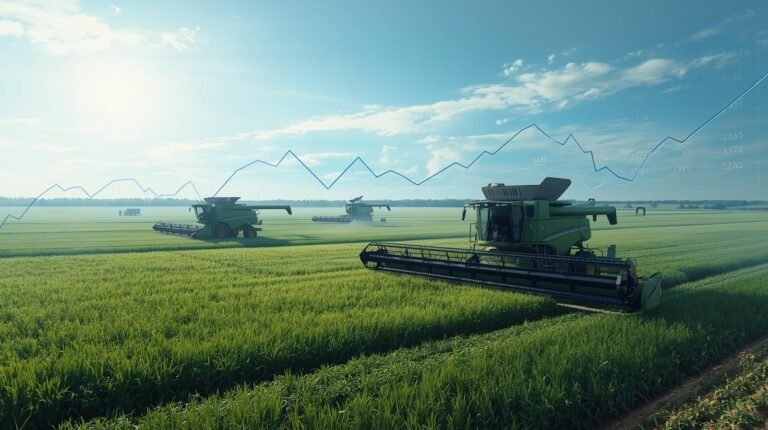
Purchasing a used combine harvester represents one of the most significant investments a farming operation will make.

With new combines often costing hundreds of thousands of dollars, the used market offers an attractive alternative for farmers looking to expand their harvesting capabilities without breaking the bank.

However, buying a pre-owned combine requires careful inspection and due diligence to ensure you’re making a sound investment rather than inheriting someone else’s problems.

Understanding Your Harvesting Requirements

Before diving into specific machines, farmers must honestly assess their operational needs. Consider your typical harvest acreage, crop types, terrain conditions, and seasonal time constraints.

A 300-acre grain operation has vastly different requirements than a 3,000-acre enterprise. Similarly, farmers harvesting multiple crop types need combines with versatile header compatibility and adjustable settings.

The age-old question of brand loyalty versus practical considerations also comes into play. While staying within your preferred manufacturer’s ecosystem offers parts availability and service familiarity advantages, don’t let brand bias prevent you from considering a superior machine from a different manufacturer.

Engine and Powertrain Evaluation

The heart of any combine harvester lies in its engine and powertrain system. During inspection, pay close attention to engine hour readings, but remember that hours alone don’t tell the complete story.

A machine with 3,000 hours of gentle operation may be in better condition than one with 1,500 hours of hard use.

Start the engine and listen for unusual noises, excessive vibration, or irregular idle. Check for oil leaks, coolant system integrity, and exhaust smoke characteristics.

Blue smoke indicates oil burning, while white smoke suggests coolant issues. The hydraulic system pressure should build quickly and maintain steady levels without excessive pump noise.

Examine the transmission and final drives for signs of wear or damage. Test all speed ranges and ensure smooth shifting between gears. Hydrostatic transmissions should respond smoothly to control inputs without jerking or hesitation.

Threshing and Separation Systems

The threshing cylinder and separation system directly impact harvest efficiency and grain quality. Inspect cylinder bars for wear patterns and remaining material thickness.

Uneven wear suggests potential alignment issues or improper maintenance. Concave condition is equally critical, as worn concaves lead to increased grain damage and reduced separation efficiency.

Check the cleaning shoe components, including sieves and chaffer adjustments. These parts experience significant wear during operation and can be expensive to replace. Ensure all adjustment mechanisms function smoothly and maintain their settings under load.

For rotary combines, examine the rotor and rotor housing for wear, damage, or foreign object impact. Bent or damaged rotor elements can cause severe vibration and poor threshing performance.

Header Compatibility and Condition

Headers represent a substantial portion of a combine’s total value, making their condition crucial to your purchasing decision. Inspect cutting components for wear, damage, and proper adjustment.

Sickle sections should be sharp and properly aligned, while guards should be straight and securely mounted.

Examine the header frame for cracks, especially around pivot points and mounting brackets. Check hydraulic cylinders for leaks and proper operation of all adjustable components.

If purchasing multiple headers, ensure compatibility with your intended crops and field conditions.

Platform headers require special attention to the cutter bar, reel, and conveying systems. Flex headers demand additional scrutiny of the flexible cutter bar mechanism and its ability to maintain proper ground contact across varying terrain.

Electrical and Control Systems

Modern combines rely heavily on sophisticated electronic control systems for optimal performance.

Test all electronic functions, including yield monitoring systems, auto-steer compatibility, and diagnostic capabilities. Ensure display screens are clear and responsive, and that all sensors provide accurate readings.

Check the wiring harness condition throughout the machine, paying particular attention to areas prone to chafing or weather exposure. Corroded connections or damaged wiring can lead to intermittent failures and expensive repairs.

If the combine features precision agriculture technology, verify its compatibility with your existing farm management systems and ensure all necessary software licenses transfer with the sale.

Operator Comfort and Safety Features

Harvesting often involves long days in challenging conditions, making operator comfort and safety paramount. Inspect the cab for wear, proper HVAC operation, and seat condition. Ensure all safety systems, including emergency stops and warning lights, function correctly.

Check that all access ladders, platforms, and handholds are secure and in good condition. Missing or damaged safety features not only pose risks but may also indicate poor overall maintenance practices.

Maintenance History and Documentation

A well-maintained combine with complete service records often represents a better investment than a lower-hour machine with questionable maintenance history. Request all available maintenance records, including routine service intervals, major repairs, and parts replacements.

Look for evidence of proactive maintenance practices, such as regular oil changes, filter replacements, and seasonal preparations. Farmers who maintain detailed records typically take better care of their equipment overall.

Financial Considerations and Negotiation

Research market values for similar machines using auction results, dealer pricing, and online marketplaces to establish a realistic price range. Consider the total cost of ownership, including necessary repairs, upgrades, and ongoing maintenance expenses.

Factor in transportation costs if the machine requires long-distance delivery. Professional transport for a combine can cost several thousand dollars but may be worth the expense to avoid potential damage during amateur hauling attempts.

Don’t overlook financing options, including manufacturer programs, bank loans, and lease arrangements. Sometimes a slightly higher purchase price with favorable financing terms proves more advantageous than the lowest cash price.

Professional Inspection Services

For high-value purchases or when technical expertise is limited, consider hiring professional inspection services. Experienced technicians can identify potential problems that untrained eyes might miss and provide detailed condition reports to support your negotiating position.

Some dealers and auction companies offer limited warranties or return policies, which can provide additional peace of mind for significant purchases.

Timing Your Purchase

Market timing can significantly impact both availability and pricing in the used combine market. Late fall and early winter often present the best selection as farmers complete harvest and evaluate their equipment needs.

However, spring purchases may offer better pricing as dealers clear inventory before the new season.

Consider your immediate needs versus long-term planning. Purchasing during off-peak periods allows time for necessary repairs and modifications before the critical harvest window arrives.

Final Recommendations

Successful used combine harvester purchases result from thorough preparation, careful inspection, and realistic expectations. Remember that no used machine will be perfect, but understanding potential issues allows for informed decision-making and proper budgeting for necessary improvements.

Take time during the inspection process, bring knowledgeable assistance when possible, and don’t hesitate to walk away from deals that don’t meet your criteria.

The right machine will eventually surface, and patience often leads to better long-term outcomes than rushed decisions driven by immediate needs.

Most importantly, factor ongoing support and parts availability into your decision process. The lowest purchase price means little if service support is unavailable when you need it most.

Choose machines from manufacturers with strong dealer networks and established parts supply chains to ensure years of reliable operation.

By following these guidelines and conducting thorough due diligence, farmers can successfully navigate the used combine harvester market and acquire machines that provide years of productive service while protecting their investment in agricultural operations.

Also Read

Inside the Fendt 1000 Vario Gen4: Power, Precision, and Autonomy

New Combines Unveiled at Farm Progress Show 2025: Claas, Case IH & New Holland Lead the Way

John Deere Combine: Features, Models, and Prices Farmers Should Know in 2025


The agricultural landscape continues to evolve at breakneck speed, with precision farming and automation reshaping how modern farmers approach harvest operations.

At the forefront of this transformation stands John Deere, whose combine harvester lineup has undergone significant technological advancement in recent years.

As we navigate through 2025, understanding the current offerings, capabilities, and investment implications of John Deere combines has become crucial for farming operations of all sizes.

The Technology Revolution in Modern Combines

John Deere’s 2025 combine lineup represents a paradigm shift from traditional harvesting equipment to sophisticated data-driven machines.

The integration of artificial intelligence, machine learning, and advanced sensor networks has transformed these machines into autonomous farming powerhouses that optimize performance in real-time while collecting valuable field intelligence.

The company’s proprietary ExactEmerge planting technology has now been complemented by ExactHarvest systems, creating a seamless farm-to-bin data ecosystem.

This integration allows farmers to correlate planting decisions with harvest outcomes, creating unprecedented insights into field performance variability and crop optimization strategies.

Current Model Lineup Analysis

S-Series: The Flagship Performance Class

The S700 series continues to dominate John Deere’s premium segment, with the S790, S780, and S770 leading the charge in large-scale commercial operations.

These machines feature the revolutionary Active Yield system, which provides real-time moisture mapping and yield data with sub-meter accuracy.

The integration of John Deere’s Operations Center allows for seamless data transfer and analysis, enabling farmers to make informed decisions about field management strategies.

The S790 stands as the flagship model, boasting a 473-horsepower engine and industry-leading grain tank capacity of 450 bushels.

Its Combine Advisor system utilizes machine learning algorithms to automatically adjust settings based on crop conditions, field topology, and historical performance data.

This autonomous optimization capability can increase productivity by up to 20% while reducing operator fatigue during long harvest seasons.

T-Series: Mid-Range Versatility Champions

The T600 series, including the T670, T660, and T650 models, targets the mid-market segment with impressive versatility and cost-effectiveness.

These combines incorporate many premium features from the S-series while maintaining accessibility for medium-sized farming operations. The T670, in particular, has gained significant traction among farmers seeking advanced technology without the full investment of flagship models.

What sets the T-series apart is its modular technology approach. Farmers can selectively upgrade components such as the HarvestLab 3000 near-infrared sensor system or the ActiveVision cameras without requiring a complete machine replacement.

This upgrade pathway provides excellent long-term investment protection and allows operations to scale their technology adoption based on evolving needs and financial capacity.

X-Series: Specialized Crop Solutions

The X9 series represents John Deere’s response to the growing demand for specialized harvesting solutions.

The X9 1100 and X9 1000 models feature unique design elements optimized for specific crop types and challenging field conditions.

These combines incorporate the largest cleaning systems in John Deere’s history, with fan capacity increased by 40% compared to previous generations.

The X-series excels in high-moisture conditions and tough crop varieties where traditional combines struggle.

Advanced rotor technology and enhanced separation systems ensure consistent performance across diverse harvesting scenarios, making these models particularly valuable for farmers dealing with variable weather patterns and challenging crop conditions.

Revolutionary Feature Breakdown

Autonomous Operation Capabilities

John Deere’s AutoTrac Turn Automation has evolved into a comprehensive autonomous operation system.

The latest combines can execute field patterns, adjust to obstacle detection, and coordinate with grain carts without operator intervention.

This technology proves particularly valuable during peak harvest periods when operational efficiency directly impacts profitability.

The integration of 5G connectivity enables real-time communication between multiple machines, creating coordinated harvest teams that optimize field coverage patterns and minimize soil compaction.

This collaborative approach represents a fundamental shift from individual machine operation to integrated farming system management.

Precision Harvesting Technology

The HarvestLab 3000 system provides instant analysis of grain moisture, protein content, oil content, and starch levels during harvest operations.

This real-time data collection enables farmers to segregate crops by quality parameters, maximizing market value through targeted selling strategies.

Premium grain commands higher prices, and the ability to identify and separate high-quality portions during harvest can significantly impact annual revenue.

ActiveVision cameras continuously monitor crop flow, residue distribution, and grain loss, automatically adjusting machine settings to maintain optimal performance.

This visual monitoring system reduces grain loss by up to 0.75 bushels per acre, which can translate to substantial savings across large farming operations.

Maintenance and Reliability Innovations

The integration of predictive maintenance technology represents one of the most significant operational improvements in recent John Deere combines.

Machine sensors continuously monitor component performance, predicting potential failures before they occur. This proactive approach reduces unplanned downtime during critical harvest periods and optimizes maintenance scheduling during off-season periods.

Remote diagnostic capabilities allow John Deere technicians to assess machine performance and troubleshoot issues without physical inspection.

This remote support capability proves particularly valuable for operations in remote areas or during peak harvest periods when service availability may be limited.

2025 Pricing Structure Analysis

New Machine Investment Considerations

Current pricing for new John Deere combines reflects the sophisticated technology integration and manufacturing complexity of modern machines.

The S790 flagship model carries a base price ranging from $685,000 to $750,000, depending on configuration and optional technology packages.

While this represents a significant investment, the productivity gains and operational efficiencies often justify the cost for large-scale operations.

Mid-range T-series models offer more accessible entry points, with the T670 starting around $485,000 and the T660 beginning near $425,000.

These models provide substantial technology capabilities while maintaining reasonable investment thresholds for medium-sized farming operations.

Total Cost of Ownership Perspective

Modern combine evaluation requires analysis beyond initial purchase price. Fuel efficiency improvements in 2025 models can reduce operating costs by 12-15% compared to machines from five years ago.

Advanced engine technology and automated optimization systems contribute to these efficiency gains while reducing environmental impact.

Maintenance costs have evolved with technology integration. While individual components may be more expensive, predictive maintenance capabilities reduce overall maintenance frequency and unplanned repair costs.

Extended warranty programs now cover technology components, providing additional investment protection for farmers embracing advanced features.

Strategic Buying Considerations for 2025

Financing and Leasing Options

John Deere Financial Services has expanded leasing programs to accommodate varying operational needs and cash flow requirements.

Operating leases allow farmers to access the latest technology without significant capital investment, while seasonal payment programs align costs with harvest revenue cycles.

The company’s trade-in programs provide competitive valuations for older equipment, often making upgrades more financially feasible than initially expected.

Given the rapid pace of technology advancement, strategic upgrade timing can maximize trade-in value while ensuring access to the latest operational capabilities.

Technology Adoption Strategy

Farmers considering John Deere combines in 2025 should evaluate their current technology ecosystem and integration requirements.

The Operations Center platform requires compatible equipment and software systems to maximize value. Investing in combine technology without supporting infrastructure may limit return on investment.

Data management capabilities represent increasingly important considerations. Modern combines generate substantial amounts of field data, requiring robust storage, analysis, and security systems.

Farmers should evaluate their data management capacity and consider necessary infrastructure investments alongside equipment purchases.

Regional Market Considerations

North American Market Dynamics

The North American market continues to drive John Deere combine sales, with corn and soybean operations representing primary target segments.

Regional dealers report strong demand for mid-range T-series models, as farmers balance technology desires with financial constraints following recent commodity price volatility.

Availability remains a consideration for 2025 purchases, with manufacturing lead times extending 8-12 months for popular configurations.

Farmers planning equipment upgrades should initiate discussions with dealers early in the planning cycle to ensure harvest availability.

Global Market Expansion

John Deere’s international expansion strategy influences domestic availability and pricing. Increasing demand from developing agricultural markets creates additional competition for manufacturing capacity, potentially affecting North American delivery schedules and pricing structures.

Currency fluctuations and international trade policies continue to influence pricing stability. Farmers considering major equipment investments should monitor these factors and consider timing strategies to optimize purchase conditions.

Future Technology Trajectory

Emerging Innovations

John Deere’s research and development pipeline indicates continued focus on autonomous operations and artificial intelligence integration. Future combines may feature completely autonomous operation capabilities, reducing labor requirements while optimizing harvest efficiency.

Battery-powered and hybrid drive systems represent potential long-term developments, though current technology limitations restrict near-term implementation. However, farmers should consider the potential for retrofit capabilities when evaluating current investments.

Connectivity and Data Evolution

The evolution toward comprehensive farm data ecosystems continues to accelerate. Future John Deere combines will likely feature enhanced connectivity with other farm management systems, creating integrated operational platforms that optimize entire farming operations rather than individual machines.

Privacy and data ownership considerations become increasingly important as technology integration deepens. Farmers should understand data sharing agreements and consider long-term implications of technology adoption decisions.

Making the Right Choice in 2025

Selecting the appropriate John Deere combine in 2025 requires careful analysis of operational needs, financial capacity, and strategic objectives.

Large-scale operations with substantial acreage and demanding productivity requirements will find value in S-series flagship models despite higher initial costs.

The advanced automation and data collection capabilities justify investment through improved efficiency and decision-making support.

Medium-sized operations should carefully evaluate T-series offerings, which provide excellent technology access without flagship model costs. The modular upgrade approach allows strategic technology adoption over time, providing flexibility for evolving operational needs.

Farmers operating in specialized conditions or handling unique crop varieties should consider X-series models designed for challenging harvesting scenarios.

While these machines command premium prices, their specialized capabilities often prove essential for specific operational requirements.

The decision ultimately depends on balancing technological capabilities with financial reality while considering long-term operational strategy.

John Deere’s 2025 combine lineup offers solutions across the operational spectrum, but success depends on matching machine capabilities with specific farming requirements and financial objectives.

As precision agriculture continues to evolve, the combines purchased today will influence farming operations for the next decade or more.

Understanding current offerings, pricing structures, and technology trajectories enables informed decisions that support long-term operational success in an increasingly competitive agricultural environment.

Also Read

The Hidden Costs of Equipment Financing: What Your Dealer Won’t Tell You

Best Places to Source Used Farm Machinery in the UAE

New Combines Unveiled at Farm Progress Show 2025: Claas, Case IH & New Holland Lead the Way


The Farm Progress Show 2025 in Decatur, Illinois, lived up to its reputation as the biggest stage for agricultural innovation.

This year, the spotlight was firmly on combine harvesters, as leading manufacturers Claas, Case IH, and New Holland unveiled their latest machines designed to boost efficiency, power, and comfort in the field.

Claas Lexion 8500: Bigger, Smarter, More Comfortable

Claas drew crowds with the debut of its Lexion 8500 combine, an expansion of the popular Lexion 8000 Series.

The new machine comes in both wheeled and tracked versions, powered by MAN engines that bring improved horsepower and fuel efficiency. Farmers were quick to notice the 510-bushel grain tank—a size upgrade aimed at reducing unloading stops during peak harvest.

Inside the cab, Claas invested heavily in operator comfort. Heated and cooled swivel seats, better visibility, and advanced LED lighting highlight a push toward longer, safer operating hours.

Claas also rolled out new technology features to optimize throughput and grain quality, making the Lexion 8500 a strong contender for large-scale producers.

Case IH AF10 and Axial-Flow Series Updates

Case IH used the show to showcase its AF10 combine, alongside updates to its Axial-Flow 260 Series.

The AF10 is built for speed and durability, pairing with the new C500 corn heads that promise cleaner harvesting in high-yielding fields.

The Axial-Flow series, meanwhile, has been refreshed with design tweaks to improve reliability and uptime—two features Case IH is banking on to appeal to both mid-size and commercial-scale growers.

Company representatives emphasized the AF10 as a farmer-first innovation, designed after extensive feedback from operators across the Midwest.

Its appearance at the Farm Progress Show underscores Case IH’s commitment to balancing rugged performance with cutting-edge harvest technology.

New Holland CR11: A Showstopper With a Twist

New Holland turned heads not only for the engineering behind its CR11 combine, but also for the way it was presented.

Unveiled in a Busch Light-branded livery, the CR11 became a social media sensation while reminding visitors of its place as one of the world’s most advanced combines.

Beyond the eye-catching promotion, the CR11 continues New Holland’s push for higher throughput and reduced grain loss.

Farmers who stopped by the booth pointed to the machine’s automation features as a real advantage, helping operators maximize efficiency during demanding harvest schedules.

A Harvest of Innovation

The trio of launches at Farm Progress Show 2025 highlights a clear trend: manufacturers are racing to combine bigger capacity, smarter technology, and greater operator comfort.

From Claas’s grain-handling upgrades to Case IH’s farmer-focused AF10 and New Holland’s bold CR11 reveal, this year’s show underscored the importance of innovation in securing future farm productivity.

As harvest season approaches, many growers will be watching closely to see how these new machines perform in the field—and which brand sets the benchmark for the next era of combines.

Also Read

Ag Tech Steals the Spotlight at Farm Progress Show 2025

Inside the Fendt 1000 Vario Gen4: Power, Precision, and Autonomy

Inside the Fendt 1000 Vario Gen4: Power, Precision, and Autonomy


At the 2025 Farm Progress Show in Decatur, Illinois, Fendt unveiled the 1000 Vario Gen4 tractor, a machine that blends horsepower, digital intelligence, and autonomy into a single package.

While tractor launches often center on raw strength, the Gen4 signals something more profound: a rethinking of how agricultural machinery will support modern farming in an era of labor shortages, rising costs, and demands for greater efficiency.


Power That Redefines Performance

The Gen4 series comes in four models—the 1040, 1044, 1048, and 1052—delivering up to 550 horsepower.

Under the hood lies a 12.4-liter MAN engine paired with Fendt’s iD low-speed concept, which maximizes torque at lower RPMs.

This means fewer revolutions, lower fuel burn, and reduced engine strain when pulling massive implements across tough soils.

Adding to this is DynamicPerformance™ technology, an adaptive system that releases extra horsepower when the job demands it—whether during heavy tillage, transport, or working on slopes.

Instead of a fixed power curve, the tractor delivers output dynamically, ensuring efficiency without compromise.


A Step Toward Autonomous Farming

Perhaps the most striking feature is the tractor’s PTx OutRun™ readiness, which enables autonomous grain carting and tillage operations.

Fendt has positioned the Gen4 not just as a machine for today, but as a platform for tomorrow’s autonomous workflows.

For large farms where skilled labor is increasingly hard to find, this capability could be transformative.

Imagine a combine signaling a Gen4 tractor to sync, unload, and return—all without a driver in the cab. The technology promises round-the-clock operation, higher productivity, and a reimagined relationship between operator and machine.


Comfort and Control for the Operator

While autonomy grabs headlines, Fendt hasn’t forgotten the operator experience. The cab has been reengineered for long working days:

  • Adjustable foot pegs for ergonomic positioning.

  • An integrated coolbox for food and drink.

  • A dust extraction system that keeps the cabin cleaner in tough field conditions.

  • Intuitive touchscreen controls and data displays for easier monitoring.

For operators who spend 12 or more hours in the seat, these refinements are more than luxuries—they directly influence productivity and health.


Built for a Global Farming Landscape

The Gen4 is designed not only for North American row crops but also for diverse global applications.

From large-scale European tillage operations to expansive soybean farms in South America and emerging mechanization projects in Africa, the tractor is built for adaptability.

Its flexibility, paired with connectivity upgrades and compatibility with precision agriculture systems, positions it as a global workhorse capable of meeting different regional demands.


Why This Launch Matters

The Fendt 1000 Vario Gen4 arrives at a critical moment. Farmers face volatile input costs, climate uncertainty, and increasing pressure to do more with fewer hands. This tractor answers with:

  • Power for the heaviest applications.

  • Precision through advanced performance management.

  • Autonomy that points toward a future of labor-light farming.

It’s more than a machine; it’s a strategic investment in resilience and competitiveness for farms that must balance efficiency with innovation.


Availability

Orders for the 1000 Vario Gen4 open in late 2025, with deliveries set to begin in 2026. Demand is expected to be strong, particularly among large-scale farming enterprises seeking a competitive edge in both power and technology.


The unveiling of the Fendt 1000 Vario Gen4 is more than a product launch—it’s a statement about the future of farming.

By integrating horsepower, operator comfort, and autonomous capability, Fendt has created a tractor that reflects where agriculture is heading: a world where machinery doesn’t just work harder, it works smarter.

Also Read

Farm Progress Show 2025 Machinery Debuts

Farm Progress Show 2025: Decatur Welcomes the Future of Agriculture

Farm Progress Show 2025 Machinery Debuts: Case IH, New Holland, and Claas Unveil Game-Changers


The Farm Progress Show 2025 in Decatur, Illinois is living up to its reputation as the ultimate launchpad for new farm machinery.

Industry giants like Case IH, New Holland, and Claas have used the event to showcase equipment that blends raw power with cutting-edge technology—setting new standards for productivity and efficiency on the farm.


Case IH 785 Quadtrac: A New Powerhouse

The spotlight is firmly on the Case IH 785 Quadtrac, now the company’s most powerful tractor ever built.

  • Delivers unprecedented horsepower for large-scale tillage and seeding operations.

  • Equipped with semi-autonomous features, allowing operators to integrate it seamlessly into precision farming systems.

  • Designed with fuel efficiency and operator comfort in mind, proving that bigger can also mean smarter.

This machine signals Case IH’s commitment to helping farmers tackle the twin challenges of scale and efficiency.


New Holland D-Series Mini Excavators

New Holland has unveiled its D-Series mini excavators, bringing compact power and versatility to the field.

  • Enhanced hydraulics for smoother operation.

  • Redesigned cabs for greater comfort and visibility.

  • Tailored for both farm utility work and construction crossover projects.

These machines fill a gap for farmers needing agile, multi-purpose equipment that delivers performance without the bulk of full-sized excavators.


Claas Jaguar 1200 Forage Harvester

Claas has introduced the Jaguar 1200 series forage harvester, raising the bar for silage and forage operations.

  • Boosted throughput for faster harvesting under heavy loads.

  • Advanced kernel processing technology to improve feed quality.

  • Integrated sensors that optimize cutting precision and efficiency in real time.

With dairy and livestock producers demanding higher feed efficiency, the Jaguar 1200 is designed to deliver.


Supporting Cast: More Equipment Highlights

Beyond the big three launches, other innovations drawing attention include:

  • Apex AG Hyperdisc lineup – a breakthrough in tillage equipment.

  • Landoll adjustable gang discs – versatile tillage solutions.

  • Loftness wear-resistant flail mowers – built for durability.

  • New Leader stainless steel fertilizer spreaders – precision nutrient application.

Together, these machines reflect the breadth of innovation across tillage, fertilization, and crop handling.


Why These Launches Matter

Machinery unveiled at Farm Progress Show 2025 isn’t just about horsepower—it’s about integrating intelligence into every step of farming.

From semi-autonomous tractors to precision harvesters, the focus is on making farms more productive, sustainable, and profitable.

For farmers, these new launches highlight an industry pushing hard to deliver solutions that balance power, efficiency, and sustainability.

Also Read

Case IH Launches Steiger 785 Quadtrac — The Brand’s Most Powerful Tractor Yet

From Giant Spray Drones to Smart Soybeans: Ag Tech Steals the Spotlight at Farm Progress Show 2025

From Giant Spray Drones to Smart Soybeans: Ag Tech Steals the Spotlight at Farm Progress Show 2025


Technology is no longer a side attraction at farm expos—it’s the main stage, and nowhere is that more evident than at the Farm Progress Show 2025 in Decatur, Illinois.

From the world’s largest spray drone to self-driving tractors and data-driven crop innovations, this year’s show is positioning agriculture as a leader in automation, precision, and sustainability.


Drones Take Center Stage

The newly introduced Drone Zone is drawing crowds eager to see the latest in aerial farming technology. Among the highlights:

  • Pyka Pelican 2 – The world’s largest operational spray drone, capable of covering vast acres with high precision.

  • HL600 Surgeon Drone – A next-generation spraying system designed for efficiency and reduced chemical waste.

  • SpraySense Technology – A smart spraying platform using AI to target weeds while minimizing input use.

Together, these innovations show how aerial farming is evolving beyond scouting into direct field management.


Autonomous Machines in Action

Self-driving equipment is no longer experimental—it’s becoming mainstream. At the show, visitors are experiencing:

  • Ride-and-Drive Programs with autonomous tractors, sprayers, and UTVs.

  • Precision Tillage & Harvesting Demos, showing how automation reduces labor costs while improving accuracy.

  • Case IH 785 Quadtrac Tractor, designed with semi-autonomous features to optimize fuel efficiency and operator comfort.

For farmers facing labor shortages and rising costs, these machines offer both efficiency and scalability.


Smart Crops & Digital Farming

It’s not just about machinery—the Farm Progress Show is also spotlighting how data and genetics are transforming crops themselves. Exhibitors are introducing:

  • Smart soybean varieties developed with resilience against climate stress.

  • Data-integrated platforms linking drones, sensors, and machinery into a single digital dashboard.

  • On-farm analytics that turn real-time field data into actionable decisions.

This convergence of biology and digital farming points to a future where crops themselves become part of the precision-ag ecosystem.


Why It Matters

Agricultural technology is no longer about “what’s next”—it’s about what’s here now. The drones and autonomous machinery showcased at Farm Progress Show 2025 are not prototypes; they’re commercial-ready solutions designed to address today’s challenges: labor shortages, sustainability, and food security.

For farmers, the message is clear: the future of farming is automated, data-driven, and more sustainable than ever before.

Also Read

Case IH Launches Steiger 785 Quadtrac — The Brand’s Most Powerful Tractor Yet

Farm Progress Show 2025: Decatur Welcomes the Future of Agriculture

Farm Progress Show 2025: Decatur Welcomes the Future of Agriculture


The Farm Progress Show 2025 officially opens its gates in Decatur, Illinois, running from August 26–28 at the Progress City USA site.

Marking 20 years since Decatur became a permanent host location, this year’s show promises to be one of the most dynamic yet—bringing together cutting-edge agricultural innovations, nearly 600 exhibitors, and attendees from more than 44 U.S. states and 50+ countries.


A Milestone Year for Decatur

Since 2005, Decatur has alternated with Boone, Iowa, as host for the Farm Progress Show.

Over two decades, it has transformed into a global hub where farmers, agribusiness leaders, and innovators converge to exchange ideas and showcase solutions shaping the future of food production.

This year’s event underlines why the show is considered North America’s largest outdoor farm expo.


What’s New in 2025

This year introduces several first-of-its-kind experiences:

  • Drone Zone – Featuring demonstrations of the world’s largest spray drone, the Pyka Pelican 2, along with other autonomous spraying systems.

  • Autonomous Ride-and-Drive – Hands-on opportunities to test self-driving tractors, sprayers, and UTVs.

  • Cover Crop Walks & Field Demonstrations – Live showcases on soil health, sustainable practices, and tillage.

  • Machinery Launches – Case IH unveils its 785 Quadtrac tractor, New Holland rolls out its D-Series mini excavators, and Claas introduces the Jaguar 1200 forage harvester.


More Than Just Machinery

The Farm Progress Show isn’t just about technology—it’s also about people, education, and community. This year’s programming includes:

  • Discover Ag LIVE & Women in Ag sessions, with thought leaders like Natalie Kovarik and Tara Vander Dussen.

  • Career Fair for students and job seekers, linking talent with leading ag employers.

  • Ag PhD LIVE interactive talks with the Hefty brothers.

  • FFA contests and Farm Rescue recruitment drives, strengthening grassroots agriculture.

  • Local flavor with Riggs Beer Company brewing the official craft lager of the show.


Global Impact

With exhibitors from across the agribusiness value chain—machinery, inputs, ag-tech, finance, and logistics—the show serves as a strategic networking hub.

Deals are struck, innovations unveiled, and partnerships formed that influence not only U.S. farming but also global food systems.


Why It Matters

The Farm Progress Show 2025 reflects the future of agriculture in real time. From autonomous technology to regenerative farming practices, the event highlights how the industry is adapting to pressing challenges—labor shortages, climate change, and food security.

For farmers and agribusiness leaders, Decatur this week is the place to be.

Also Read

Case IH Launches Steiger 785 Quadtrac — The Brand’s Most Powerful Tractor Yet

7 Best-Selling Tractor Brands in Africa: A Comprehensive Overview

Fertilizer Prices Surge in 2025: Is the Rally Sustainable for Investors?


Fertilizer has moved from a quiet input in agriculture to a headline commodity in 2025. Prices for urea, phosphate, and potash are rising, catching the eye of global investors.

Unlike grains or oil, fertilizer rarely commands mainstream attention—yet its strategic role in global food security makes it one of the most sensitive markets to watch this year.

Why Are Fertilizer Prices Rising in 2025?

Several forces are converging to drive prices higher:

  • Strong demand: Global fertilizer use is set to hit record levels in 2025 as major producers like the U.S., China, India, and Brazil expand crop plantings.

  • Supply constraints: Limited new production capacity and logistical bottlenecks are keeping supply tight.

  • Energy costs: Fertilizer production, especially nitrogen, is highly dependent on natural gas, which has remained volatile.

  • Policy shocks: New tariffs in Europe and shifting trade flows from Russia are disrupting established supply chains.

Together, these factors have created a market where demand is robust but supply feels fragile—pushing prices upward across the board.


Is This a Boom or a Temporary Spike?

Calling the current environment a “fertilizer boom” may be misleading. What we are witnessing is a price-led rally rather than a production surge. Analysts forecast:

  • 2025: Prices remain high, especially for urea, with the World Bank projecting ~15% gains.

  • 2026: New capacity from Asia and the Middle East is expected to ease the tightness, potentially bringing prices down.

For investors, the big question is whether today’s rally has enough momentum to last beyond the short term.


Regional Perspectives Investors Should Watch

  • Europe: EU tariffs on Russian imports are pushing prices up sharply, creating both risks for farmers and opportunities for non-Russian producers.

  • BRICS nations: Russia is redirecting exports toward India, China, and Brazil, offering discounted supply and reshaping trade routes.

  • North America: Producers like Nutrien remain bullish, citing strong application demand despite weaker early earnings.

These regional dynamics show that fertilizer is no longer just about global balance sheets—it is about politics, trade realignments, and energy markets.


Investor Checklist: How to Position in 2025

  1. Track policy changes – EU tariffs, Russian export shifts, and Chinese export rules can move prices overnight.

  2. Monitor input costs – Natural gas remains the single biggest swing factor for nitrogen fertilizer producers.

  3. Focus on low-cost producers – Companies with cheap feedstock access and diversified nutrients are better hedged.

  4. Watch demand signals – Crop prices and farmer margins will decide how much fertilizer is applied.

  5. Time your entry and exit – Treat this as a late-cycle rally; be ready to trim exposure before 2026 capacity softens prices.

  6. Diversify exposure – Don’t rely solely on fertilizer equities; consider agribusiness ETFs with broader input coverage.


Risks That Could Shift the Story

  • Energy shocks: A spike in natural gas prices would prolong high fertilizer costs.

  • Farmer pushback: If crop margins narrow, fertilizer application rates could fall, weakening demand.

  • Trade normalization: Should restrictions ease or new trade channels stabilize, price pressures may fade sooner than expected.


The Agristock Outlook

For now, fertilizer in 2025 looks like a cyclical play with tactical opportunities, rather than a multi-year supercycle.

Investors should treat this rally as a late-stage upswing, positioning with quality, low-cost producers while preparing for a softer landscape beyond 2025.

Also Read

2025 Investment Trends: Are Agricultural ETFs the New Growth Story?

Top Agriculture Stocks to Watch in 2025: Global Picks for a Growing Sector

2025 Investment Trends: Are Agricultural ETFs the New Growth Story?


The year 2025 has brought renewed attention to agricultural exchange-traded funds (ETFs). As investors search for resilient sectors amid global uncertainty, agriculture has emerged as a compelling theme.

With food security high on policy agendas, weather risks reshaping yields, and agribusiness equities delivering double-digit gains, agricultural ETFs are increasingly being viewed as more than just defensive plays.

But the key question remains: are agricultural ETFs truly the new growth story of 2025?


Strong Performance in Agribusiness Equities

Among agricultural ETFs, agribusiness-focused funds are leading the pack. The VanEck Agribusiness ETF (MOO), which holds industry giants like Deere, Zoetis, Corteva, and Archer Daniels Midland, has delivered double-digit gains in 2025, outpacing many cyclical sectors.

This surge is driven by strong demand for crop science innovations, precision agriculture, and animal health solutions—areas that remain essential regardless of broader economic slowdowns.

By contrast, broad commodity baskets like the Invesco DB Agriculture Fund (DBA) have only posted modest single-digit gains, reflecting the drag from mixed crop prices and the costs associated with rolling futures contracts.

Still, single-crop ETFs such as wheat (WEAT) and corn (CORN) have seen notable spikes this year, benefiting from tighter supply and weather-related concerns.


Food Security and Rising Prices

One of the biggest tailwinds for agricultural ETFs in 2025 is food security. The FAO Food Price Index rose in mid-2025, highlighting strong price momentum in categories such as meat and vegetable oils.

While prices remain below the historic highs of 2022, the trend points toward renewed inflationary pressures in the global food system.

This environment favors companies with pricing power in agricultural inputs and processing. For investors, it reinforces the case for holding agribusiness equities, which are better positioned to capture sustained earnings growth than futures-based ETFs.


Weather Risks as a Market Driver

The role of climate cannot be overstated. In 2025, the ENSO cycle remains a central factor for agricultural investors. Forecasts point to ENSO-neutral conditions now, with the potential for a brief La Niña later in the year.

Such weather patterns can disrupt rainfall and crop yields, adding volatility to agricultural markets.

For ETF investors, this translates to opportunities in single-crop funds like WEAT and CORN, which are highly sensitive to supply shocks. However, it also underscores the importance of diversification—since not all commodities respond equally to weather disruptions.


Comparing Ag to Tech in 2025

While agricultural ETFs are gaining ground, they are not yet outpacing technology ETFs in 2025. Emerging market internet ETFs have surged more than 20% year-to-date, while U.S. technology ETFs continue to deliver strong double-digit returns.

This comparison highlights an important distinction: agricultural ETFs are less about hypergrowth and more about resilience and diversification.

They offer a hedge against inflation, geopolitical risk, and climate uncertainty—factors that are becoming increasingly relevant in global markets.


Equity vs. Commodity ETFs: Choosing the Right Exposure

Investors considering agricultural ETFs face two main choices:

  • Agribusiness equity ETFs (like MOO): These funds offer exposure to companies involved in machinery, crop science, and processing. They benefit from long-term demand growth and often pay dividends.

  • Commodity ETFs (like DBA, WEAT, CORN): These track futures contracts for agricultural products. They are highly sensitive to short-term price movements but can be eroded by roll costs and volatility.

In 2025, equity ETFs are delivering more consistent growth, while commodity ETFs work best for tactical exposure around specific catalysts such as weather shocks or trade disruptions.


Outlook: Is Agriculture the New Growth Story?

Agricultural ETFs may not replace technology as the dominant growth engine in global markets, but they are carving out a new role as a strategic growth-adjacent theme. The sector benefits from powerful structural drivers:

  • Rising global food demand

  • Biofuel expansion

  • Climate-driven supply risks

  • Government policies prioritizing food security

For investors, agricultural ETFs in 2025 represent both a growth opportunity and a portfolio diversifier.

Rather than asking if agriculture will beat tech, the better question is how ag exposure can complement traditional growth sectors to build resilience.


Conclusion

Agricultural ETFs are indeed emerging as one of the most interesting investment trends of 2025.

With agribusiness equities showing strong returns, food prices firming, and weather uncertainty adding volatility, the sector is attracting investors looking for both stability and opportunity.

While agriculture may not yet rival technology’s explosive growth, its role as a sustainable, necessity-driven investment theme is clearer than ever.

For forward-looking portfolios, agricultural ETFs could very well be the quiet growth story of 2025.

Also Read

Top Agriculture Stocks to Watch in 2025: Global Picks for a Growing Sector

Top 5 Features of the Slate Truck That Make It a Game-Changer

Top Tractor Exporters to Africa from Dubai


Dubai has emerged as a pivotal hub for agricultural machinery exports, particularly to Africa.

Its strategic location, robust logistics infrastructure, and favorable trade policies make it an ideal gateway for sourcing tractors tailored to the diverse agricultural needs of the African continent.

This guide delves into the top Dubai-based tractor exporters, their offerings, and insights into the export process.


1. AgroAsia Tractors UAE

Overview:
AgroAsia Tractors is a prominent supplier in Dubai, offering a range of tractors and farm implements. Their inventory includes renowned brands such as Massey Ferguson, New Holland, and John Deere, catering to various farming requirements.

Key Offerings:

  • Tractor Models: MF 240, MF 290, MF 385, New Holland TT75, John Deere 5075E.

  • Farm Implements: Disc harrows, ploughs, planters, and more.

  • Export Services: Comprehensive shipping solutions to African ports, ensuring timely delivery.

Why Choose AgroAsia:

  • Brand Variety: Access to multiple reputable brands.

  • Quality Assurance: All products meet international standards.

  • Customer Support: Dedicated team assisting with pre and post-sales services.

Contact Information:

  • Website: agroasiatractors.ae


2. Agrimont Industrial Group

Overview:
Established in Dubai in 2010, Agrimont Industrial Group specializes in manufacturing and exporting agricultural machinery. They have a dedicated unit for tractor value addition and upgradation, particularly catering to African export orders.

Key Offerings:

  • Tractor Brands: Deutz-Fahr, Massey Ferguson, Lamborghini.

  • Machinery Types: Seed drills, rotary tillers, front loaders.

  • Export Services: Tailored solutions for African markets, ensuring equipment suitability for local conditions.

Why Choose Agrimont:

  • Customization: Ability to modify tractors to meet specific regional needs.

  • Experience: Over a decade of expertise in the industry.

  • Wide Reach: Deliveries to numerous African countries, including Kenya, Nigeria, and Tanzania.

Contact Information:

  • Website: agrimontgroup.com


3. Agripak Group

Overview:
With over 20 years in the agricultural machinery sector, Agripak Group is a leading manufacturer and exporter based in Dubai. They specialize in supplying Massey Ferguson tractors and other agricultural equipment to small and medium-sized farmers globally.

Key Offerings:

  • Tractor Models: Massey Ferguson 240, 290, 375.

  • Machinery Types: Tractors, ploughs, harrows, trailers.

  • Export Services: Comprehensive export solutions, including documentation and shipping coordination.

Why Choose Agripak:

  • OEM Spare Parts: Availability of genuine parts for extended support.

  • Online Ordering: Convenient platform for international orders.

  • Global Presence: Established network across various continents.

Contact Information:

  • Website: agripakgroup.com


4. Used Tractor Exporters in Dubai

Overview:
Dubai hosts several dealers specializing in used agricultural machinery. These exporters provide cost-effective solutions for farmers seeking quality second-hand tractors.

Key Offerings:

  • Tractor Brands: Massey Ferguson, John Deere, Kubota.

  • Condition: Well-maintained used tractors suitable for various agricultural tasks.

  • Export Services: Assistance with shipping and documentation for African destinations.

Why Choose Used Tractor Exporters:

  • Cost-Effective: Affordable options for budget-conscious farmers.

  • Variety: Wide range of brands and models available.

  • Support: Guidance on selecting suitable tractors based on specific needs.

Contact Information:

  • Websites: Various dealers available; a general search can provide specific contacts.


Export Process from Dubai to Africa

1. Selection:
Choose a reputable exporter based on your requirements and budget.

2. Quotation:
Request a detailed quotation, including tractor specifications, pricing, and shipping costs.

3. Inspection:
For used tractors, arrange for an inspection to assess condition and suitability.

4. Documentation:
Ensure all necessary documents are prepared, including invoices, certificates of origin, and shipping papers.

5. Shipping:
Coordinate with the exporter for shipping arrangements to the desired African port.

6. Clearance:
Upon arrival, work with local customs agents for clearance and delivery.


Dubai’s strategic position and robust infrastructure make it a prime source for agricultural machinery exports to Africa.

By partnering with reputable exporters like AgroAsia Tractors, Agrimont Industrial Group, Agripak Group, and specialized used tractor dealers, African farmers can access quality tractors tailored to their needs.

Always conduct due diligence and ensure all aspects of the export process are clearly understood to facilitate a smooth transaction.

Also Read

Best Places to Source Used Farm Machinery in the UAE

Case IH Launches Steiger 785 Quadtrac — The Brand’s Most Powerful Tractor Yet