


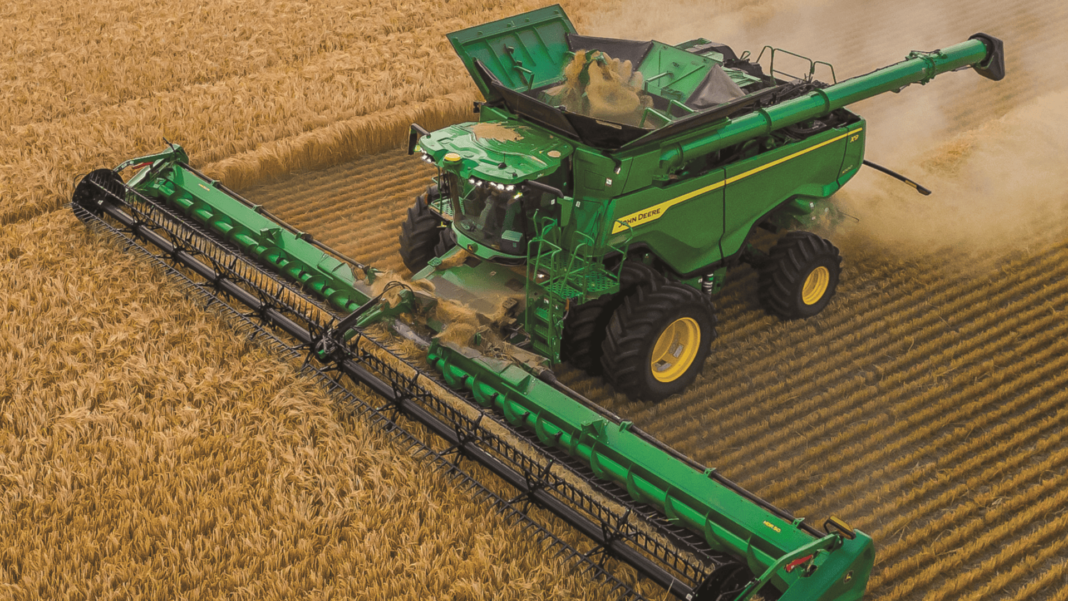

A combine harvester is one of the largest investments a grain farmer can make.
Unlike tractors that can perform multiple tasks throughout the year, combines are highly specialized machines designed to harvest crops quickly by combining reaping, threshing and grain cleaning into one operation.
Choosing the right machine therefore requires careful planning.
The Kenyan market now offers a wider range of combine harvesters than ever before.
Buyers can choose between imported used machines from Europe and North America, brand-new premium combines from manufacturers such as John Deere and Claas, or more affordable Chinese alternatives including Lovol and Zoomlion.
Prices vary dramatically depending on age, horsepower, header size, technology and after-sales support.
A small imported mini combine may cost less than KES 2 million, while a new high-capacity combine equipped with GPS guidance and precision farming technology can exceed KES 30 million.
This guide explains everything prospective buyers need to know before making such a significant investment.
You’ll find realistic 2026 price estimates, brand comparisons, ownership costs, financing options, maintenance advice and practical recommendations based on Kenyan farming conditions.
Whether you operate a 20-acre maize farm in Trans Nzoia, manage a wheat estate in Narok or plan to establish a harvesting contractor business serving multiple counties, this guide will help you choose the right combine harvester for your needs.
Kenya’s Growing Demand for Combine Harvesters
Mechanized harvesting is no longer limited to Kenya’s largest commercial wheat farms. Across the country, demand for combine harvesters continues to grow as farmers seek to increase productivity while reducing dependence on seasonal labour.
Several factors are driving this shift.
Rising Labour Costs
Finding enough workers during harvest season has become increasingly difficult. Labour shortages are especially common during peak harvesting periods when neighbouring farms require workers simultaneously.
Manual harvesting also requires several operations including cutting, drying, transporting, threshing and cleaning. A combine completes these processes in one pass, dramatically reducing labour requirements.
Expanding Commercial Farming
Large-scale maize production has expanded across counties such as:
- Uasin Gishu
- Trans Nzoia
- Bungoma
- Nakuru
- Narok
Commercial grain growers increasingly depend on mechanized harvesting to meet delivery schedules and reduce post-harvest losses.
Government Support for Mechanization
Kenya continues promoting agricultural mechanization through county governments, development partners and financing institutions.
Several irrigation schemes have introduced combine harvesters for rice production, while financial institutions now offer machinery loans specifically designed for farm equipment.
Growth of Custom Harvesting Businesses
Not every farmer needs to own a combine.
Across Kenya, contractors are building successful businesses by offering harvesting services to multiple farms. Instead of investing in expensive machinery individually, many farmers hire combines only when required.
This trend has created strong demand for medium-sized combines capable of harvesting hundreds of acres during a single season.
How Much Does a Combine Harvester Cost in Kenya?
The biggest question for most buyers is straightforward:
How much should I expect to pay?
The answer depends on several factors including:
- Machine condition
- Engine hours
- Horsepower
- Header width
- Brand
- Import costs
- Availability of spare parts
- Dealer support
The table below provides realistic planning estimates based on the Kenyan market in 2026.
Estimated Combine Harvester Prices in Kenya (2026)
Price Disclaimer
The prices above are planning estimates for 2026 and should be used as a general buying guide. Actual dealer quotations may vary depending on freight and shipping costs, exchange rate fluctuations, import duties, optional attachments, warranty packages, and after-sales support offered by suppliers.
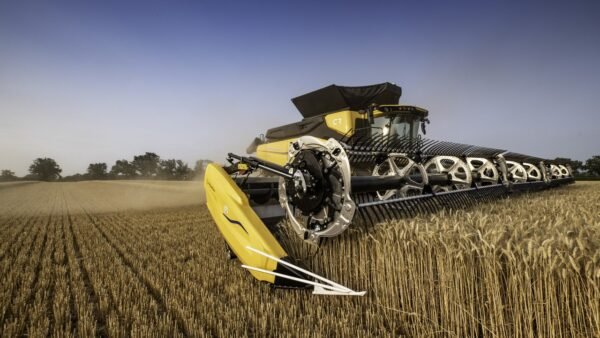
Combine Harvester Prices by Brand
Each manufacturer targets a different segment of the market. Some focus on premium technology and maximum harvesting capacity, while others compete primarily on affordability.
Below is an overview of the major brands available to Kenyan buyers.
John Deere Combine Harvester Prices
Estimated Price:
KES 10 million – KES 30 million
John Deere remains one of the world’s most respected agricultural machinery manufacturers and enjoys an excellent reputation among Kenya’s commercial grain producers.
Its combines are particularly popular in the wheat-growing counties of:
- Narok
- Uasin Gishu
- Nakuru
- Trans Nzoia
The company offers advanced harvesting technology including:
- GPS guidance
- Yield monitoring
- Automatic steering
- Precision farming integration
Although John Deere machines command premium prices, they also tend to retain higher resale values than many competing brands.
Best suited for:
- Commercial wheat farms
- Large maize producers
- Professional harvesting contractors
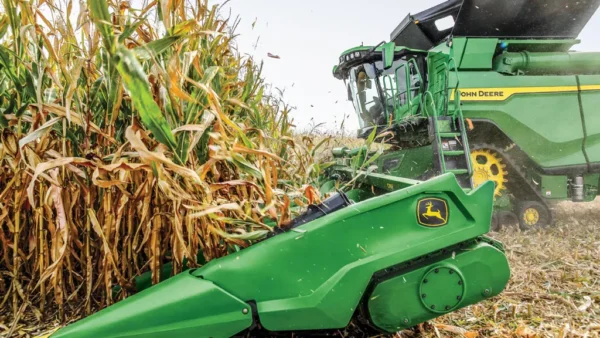
Claas Combine Prices
Estimated Price:
KES 8 million – KES 25 million
German manufacturer Claas is widely recognised for producing some of the world’s highest-capacity harvesting machines.
Many of Kenya’s established wheat farms have relied on Claas combines for decades because of their exceptional threshing performance and reliability during intensive harvesting seasons.
Popular models include:
- Dominator
- Lexion series
Claas combines are designed to harvest large acreages efficiently while maintaining excellent grain quality.
Ideal for:
- Large wheat farms
- Barley production
- High-yield grain operations
New Holland Combine Prices
Estimated Price:
KES 7.5 million – KES 20 million
New Holland has built a strong reputation across Kenya through its tractor range, and that dealer network provides valuable support for combine owners.
The company’s combines are known for:
- dependable performance
- relatively simple maintenance
- good fuel efficiency
- competitive pricing
Many buyers consider New Holland an excellent balance between affordability and reliability.
Common models include:
- TC Series
- CX Series
Recommended for:
- Medium to large grain farms
- Contractors seeking dependable equipment
- Farmers upgrading from older combines
Kubota Combine Harvester Prices
Estimated Price:
KES 5.5 million – KES 13.5 million
Kubota combines are especially popular in rice production.
Unlike the large wheeled combines used in wheat farming, many Kubota models are designed specifically for wet paddy conditions.
Their compact size makes them suitable for:
- Mwea Irrigation Scheme
- Ahero
- Bunyala
- smaller rice farms
Kubota machines are appreciated for their fuel economy and Japanese engineering quality.
Yanmar Combine Prices
Estimated Price:
KES 5 million – KES 12.5 million
Yanmar specialises in compact harvesting equipment suitable for Asian-style rice production.
Many models use crawler tracks rather than wheels, allowing them to work efficiently in muddy fields where conventional combines may struggle.
Although less common than John Deere or New Holland, Yanmar remains a respected option for rice growers.
Lovol Combine Prices
Estimated Price:
KES 6.8 million – KES 10.5 million
Chinese manufacturer Lovol has expanded rapidly across Africa during the past decade.
The company has gained attention by offering modern harvesting equipment at significantly lower prices than many European and American competitors.
Today’s Lovol combines feature:
- enclosed operator cabins
- improved hydraulic systems
- competitive fuel consumption
- factory warranties
For contractors entering the harvesting business, Lovol often represents one of the most affordable routes into new machinery ownership.
Zoomlion Combine Harvester Prices
Estimated Price:
KES 7 million – KES 11.5 million
Better known globally for construction equipment, Zoomlion has invested heavily in agricultural machinery.
Its combines are increasingly appearing across African markets as dealers expand their agricultural product portfolios.
Zoomlion focuses on providing:
- competitive pricing
- modern operator comfort
- practical harvesting performance
- lower acquisition costs
The brand appeals particularly to buyers seeking new machinery without paying premium European prices.
Generic Imported Asian Combines
Estimated Price:
KES 4.5 million – KES 9 million
Numerous importers bring combines into Kenya under lesser-known brands or private labels.
While these machines often offer attractive purchase prices, buyers should carefully investigate:
- availability of spare parts
- local technical support
- warranty coverage
- dealer reputation
A lower purchase price can quickly become expensive if replacement components are difficult to obtain during harvest season.
Which Brand Offers the Best Value?
There is no single “best” combine for every farmer.
Instead, buyers should match the machine to their farming operation.
Generally:
John Deere
- Premium technology
- Excellent resale value
- Best dealer reputation
Claas
- Outstanding wheat performance
- High productivity
- Commercial-scale operations
New Holland
- Balanced pricing
- Strong dealer support
- Reliable all-round performance
Kubota & Yanmar
- Excellent for rice production
- Compact designs
- Fuel efficient
Lovol & Zoomlion
- Affordable new machinery
- Good value for contractors
- Growing dealer presence
What Determines Combine Harvester Prices in Kenya?
The price of a combine harvester goes far beyond the brand name printed on the side of the machine. Two combines from the same manufacturer can differ in price by more than KES 10 million simply because of differences in engine power, harvesting capacity, technology, condition and after-sales support.
Understanding these factors will help buyers compare machines fairly and avoid paying for features they may never use.
1. Machine Condition: New vs Used
The condition of a combine is one of the biggest factors influencing its market value.
A brand-new combine harvester offers several advantages:
- Manufacturer warranty
- Latest fuel-efficient engines
- Improved harvesting technology
- Minimal maintenance during the first few seasons
- Better financing options through dealers
However, new machines require a significantly higher initial investment.
A used combine, on the other hand, may cost 40–60% less than a comparable new model. Many of the used machines imported into Kenya originate from Europe, North America and South Africa, where commercial farms regularly upgrade their fleets.
Buying used can be an excellent option, provided the machine has been properly maintained.
Before purchasing a second-hand combine, inspect:
- Engine condition
- Threshing drum wear
- Concaves
- Sieves
- Straw walkers or rotor
- Hydraulic system
- Transmission
- Electrical components
Maintenance records are often more valuable than the model year.
2. Engine Horsepower
Horsepower has a direct impact on both productivity and price.
Smaller combines used for rice or smallholder operations may have engines producing 50–100 horsepower, while large commercial wheat combines often exceed 350 horsepower.
Higher horsepower allows a combine to:
- Harvest faster
- Operate wider headers
- Handle heavier crop yields
- Work longer hours under demanding conditions
However, larger engines also increase:
- Purchase price
- Fuel consumption
- Maintenance costs
Buying the biggest machine available does not necessarily provide the best return on investment. Farmers should choose horsepower that matches their acreage and harvesting workload.
3. Header Width
The header is the cutting platform mounted at the front of the combine.
Its width significantly affects productivity.
Typical header sizes include:
Recommended Combine Harvester Header Width by Farm Size
Harvesting Tip
A wider header allows more crop to be harvested with every pass, helping operators cover larger areas in less time. This can significantly improve harvesting efficiency, reduce fuel consumption per hectare, and lower overall operating costs, particularly on large commercial grain farms.
However, wider headers:
- Cost considerably more
- Require higher engine power
- Are less suitable for irregularly shaped fields
- Increase transportation challenges between farms
For many Kenyan farmers, a medium-sized header provides the best balance between productivity and operating costs.
4. Grain Tank Capacity
Modern combines temporarily store harvested grain before unloading into trailers or trucks.
Larger grain tanks allow operators to work longer without stopping to unload.
Typical capacities range from:
- 2,000 litres for compact combines
- 5,000–8,000 litres for medium machines
- More than 12,000 litres on flagship commercial models
Large grain tanks improve efficiency during long harvesting days but also increase the machine’s purchase price.
5. Harvesting Technology
Agricultural machinery has become increasingly sophisticated.
Today’s premium combines can include features such as:
- GPS guidance
- Automatic steering
- Yield mapping
- Moisture monitoring
- Auto header height control
- Precision farming software
- Real-time performance monitoring
These technologies improve harvesting accuracy while reducing operator fatigue.
Although they add significantly to the purchase price, precision farming systems can improve productivity and reduce grain losses over time.
For commercial grain producers harvesting hundreds of acres, the investment is often worthwhile.
6. Engine Hours
When buying a used combine, engine hours matter more than age.
Two combines manufactured in the same year can have vastly different values depending on how heavily they have been used.
For example:
- A five-year-old combine with 900 operating hours may still have many productive years remaining.
- Another machine of the same age with 3,000 hours may require expensive repairs much sooner.
Always request:
- Hour meter readings
- Service history
- Major repair records
If possible, arrange for an independent inspection before purchasing.
7. Import Costs
Most combine harvesters sold in Kenya are imported.
As a result, the final selling price includes much more than the manufacturer’s list price.
Import costs typically include:
- Ocean freight
- Marine insurance
- Port handling charges
- Clearing fees
- Transport from Mombasa
- Applicable taxes and duties
Global shipping costs and exchange rate fluctuations can therefore have a significant impact on local prices.
8. Spare Parts Availability
A combine may appear affordable when purchased, but ownership costs can increase dramatically if spare parts are difficult to source.
Before buying any machine, ask the dealer:
- Are common wear parts stocked locally?
- How long do major components take to import?
- Are trained technicians available?
- What warranty support is provided?
Downtime during harvest can be extremely expensive. Every day a combine sits idle may result in crop losses or delayed harvesting contracts.
New vs Used Combine Harvesters: Which Should You Buy?
One of the first decisions buyers face is whether to purchase a brand-new machine or a used import.
Both options have clear advantages depending on your budget and farming operation.
New vs Used Combine Harvesters: Pros and Cons
Buying Tip
A new combine harvester offers the latest technology, better fuel economy, and warranty protection, making it ideal for businesses seeking long-term reliability. A used combine, on the other hand, provides a more affordable entry point and can deliver excellent value if it has a well-documented service history and has been properly maintained.
- You operate a commercial grain business.
- You plan to keep the machine for many years.
- Reliability during harvest is critical.
- Financing is available.
Consider a used combine if:
- You have a limited budget.
- You can inspect the machine carefully.
- Spare parts are readily available.
- You have access to experienced mechanics.
A well-maintained used combine can provide excellent value, but buyers should never rely solely on photographs or seller descriptions.
How Much Does It Cost to Own a Combine Harvester?
The purchase price is only one part of the investment.
Annual operating costs can represent a significant percentage of the machine’s value.
Fuel
Fuel is usually the largest operating expense.
Medium-sized combines typically consume:
15–25 litres of diesel per hour, depending on crop conditions, engine size and field terrain.
Large commercial combines may consume considerably more.
Routine Servicing
Regular maintenance includes:
- Engine oil changes
- Hydraulic oil
- Fuel filters
- Air filters
- Belts
- Bearings
- Lubrication
Routine servicing generally costs between:
KES 150,000 and KES 500,000 annually
depending on machine size and operating hours.
Repairs
Even well-maintained combines require occasional repairs.
Components that commonly wear include:
- Belts
- Bearings
- Cutter blades
- Chains
- Concaves
- Augers
Owners should budget approximately 3–7% of the machine’s purchase price annually for unexpected repairs, particularly for older machines.
Insurance
Commercial farm machinery insurance protects against:
- Fire
- Theft
- Accidental damage
- Transportation risks
Annual insurance premiums generally range between 2% and 4% of the insured value.
Storage
A combine harvester represents a major investment and should never be left exposed to the elements.
Covered storage helps protect:
- Electronics
- Hydraulic hoses
- Paintwork
- Tyres
- Bearings
- Wiring
Proper storage can significantly extend the working life of the machine.
Buying vs Hiring: Which Makes More Financial Sense?
Not every farmer needs to own a combine.
Hiring a harvesting contractor often provides better value, especially for smaller farms.
Should You Buy or Hire a Combine Harvester?
Buying Tip
Before purchasing a combine harvester, compare the annual cost of hiring with the total cost of ownership, including financing, fuel, maintenance, storage, insurance, and depreciation. For farms harvesting large areas every season, owning a combine often provides better long-term value and greater flexibility during peak harvest periods.
- Maintenance costs
- Storage requirements
- Insurance
- Major repairs
- Capital investment
However, contractors may not always be available during peak harvesting periods.
Large commercial farms often prefer ownership because they can harvest at the optimal time without depending on external schedules.
How to Choose the Right Combine for Your Farm
Rather than purchasing the largest machine available, buyers should consider several practical factors.
Choose based on acreage
- Under 20 acres: Compact or mini combine
- 20–80 acres: Medium combine
- 100–300 acres: Commercial combine
- Large estates: High-capacity flagship machines
Consider your crop
Different crops require different harvesting configurations.
For example:
- Wheat
- Maize
- Rice
- Barley
- Sorghum
may each require different headers or machine settings.
Think about terrain
Large combines perform best on wide, relatively flat fields.
Smaller machines are often better suited to irregular plots, hilly terrain and narrow access roads.
Plan for future growth
Buying a machine that can accommodate moderate business expansion may prove more economical than upgrading after only a few seasons.

Martin is a writer at Agrimachinery Africa specializing in agricultural machinery, mechanization trends, and farm technology across Africa. His work focuses on tractors, harvesting equipment, irrigation systems, and emerging innovations helping farmers improve productivity and efficiency. Through in-depth industry coverage, he highlights technologies shaping the future of modern agriculture.