


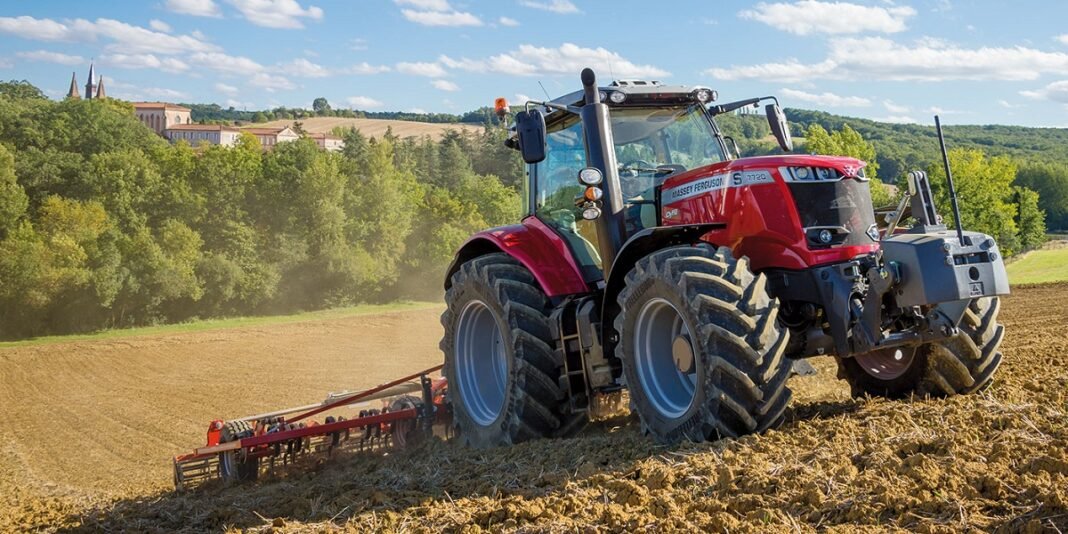

Tractors play a pivotal role in Africa’s agricultural transformation, enabling farmers to increase productivity, improve efficiency, and reduce reliance on manual labour.
As governments and private investors continue to promote agricultural mechanization across the continent, demand for reliable and affordable tractors continues to rise.
From large commercial farms in South Africa to smallholder farmers in Kenya, Nigeria, Zambia, and Ghana, tractors have become indispensable for land preparation, planting, harvesting, and transporting agricultural produce.
Several international manufacturers have established a strong presence in Africa through local assembly plants, dealership networks, government mechanization programmes, and after-sales support.
Their ability to provide durable machines, readily available spare parts, and reliable servicing has helped them build lasting trust among African farmers.
In this article, we examine the leading tractor brands in Africa, highlighting their strengths, market presence, and why they continue to dominate one of the world’s fastest-growing agricultural machinery markets.
| Brand | Country of Origin | Best Known For | Strong Presence in Africa |
|---|---|---|---|
| Massey Ferguson | United States (AGCO) | Reliability and versatility | East, West and Southern Africa |
| John Deere | United States | Technology and performance | Southern, East and West Africa |
| New Holland | Italy (CNH Industrial) | Fuel efficiency | North and Southern Africa |
| Sonalika | India | Affordability | West and Central Africa |
| Mahindra | India | Durability and low maintenance | East and Southern Africa |
| Kubota | Japan | Compact tractors | Selected African markets |
| Farmtrac | India | Entry-level mechanization | Growing presence across Africa |
1. Massey Ferguson
Headquarters: United States (AGCO Corporation)
Manufacturing and Assembly in Africa: Nigeria, Algeria, South Africa and Zimbabwe
Massey Ferguson remains one of the most recognised and widely used tractor brands in Africa. For decades, the brand has built a reputation for producing dependable tractors capable of operating under some of the continent’s toughest agricultural conditions.
The company offers tractors ranging from compact utility machines for smallholder farmers to powerful models designed for commercial agriculture. Popular models such as the Massey Ferguson 240, 290, and 4700 Series are widely used for ploughing, planting, transporting produce, and operating implements including harrows, planters, trailers, and slashers.
One of Massey Ferguson’s greatest competitive advantages is its extensive dealership and spare parts network across Africa. Farmers can generally source replacement parts more easily than many competing brands, reducing downtime during critical planting and harvesting seasons.
AGCO has also strengthened its African footprint by investing in local assembly operations, helping reduce import costs while improving equipment availability for regional markets.
Because of its proven reliability, ease of maintenance, and strong resale value, Massey Ferguson continues to be regarded as the benchmark tractor brand across much of Africa.
2. John Deere
Headquarters: United States
Manufacturing and Assembly in Africa: South Africa and Nigeria
John Deere has earned a global reputation for combining exceptional build quality with cutting-edge agricultural technology. Although traditionally associated with large-scale commercial farming, the company now offers a wider range of tractors suitable for medium-sized farms and emerging commercial agricultural enterprises across Africa.
The company’s popular 5E, 6M, and 6R Series tractors are widely used in crop production, livestock farming, and large-scale land preparation.
John Deere distinguishes itself through advanced features including:
- Precision agriculture technologies
- GPS guidance systems
- Fuel-efficient engines
- Operator comfort
- Integrated telematics and machine diagnostics
These innovations enable farmers to improve field accuracy, reduce operating costs, and maximise productivity.
The brand enjoys a particularly strong presence in South Africa, Zambia, Tanzania, and Ghana, where commercial farming sectors continue to expand. Comprehensive dealer support, operator training, and professional servicing further reinforce John Deere’s reputation as one of Africa’s premium tractor manufacturers.
3. New Holland
Headquarters: Italy (CNH Industrial)
Manufacturing and Assembly in Africa: South Africa, Egypt and Algeria
New Holland has become one of Africa’s leading agricultural machinery brands by offering tractors that combine affordability, efficiency, and versatility.
Its product range includes compact tractors suitable for horticulture as well as larger models capable of handling extensive commercial farming operations. Well-known models include the TT Series, TD Series, and T5 Series, all designed to deliver dependable performance across varying agricultural conditions.
Farmers appreciate New Holland tractors for their:
- Fuel efficiency
- Comfortable operation
- Ease of maintenance
- Compatibility with multiple farming implements
- Reliable hydraulic performance
The company has established strong positions throughout North Africa, particularly in Egypt and Algeria, while maintaining growing market shares in Kenya, Tanzania, Zambia, and South Africa.
New Holland’s involvement in government-supported mechanization programmes and local assembly initiatives has further strengthened its competitiveness across African markets.
4. Sonalika International (ITL)
Headquarters: India
Manufacturing and Assembly in Africa: Nigeria, Cameroon, Algeria and South Africa
Sonalika has rapidly established itself as one of Africa’s fastest-growing tractor brands by offering affordable, reliable machinery tailored to the needs of developing agricultural markets. The company has successfully positioned itself as an ideal choice for governments, agricultural cooperatives, contractors, and smallholder farmers seeking cost-effective mechanization solutions.
Popular models such as the Sonalika DI 35, DI 60, and Tiger Series are designed to perform efficiently in a wide range of farming applications, including ploughing, planting, hauling, cultivation, and irrigation support.
One of Sonalika’s key strengths is its straightforward mechanical design. The tractors are easy to maintain and repair, making them particularly attractive in rural areas where specialised technicians may not always be readily available.
The manufacturer has also expanded aggressively through partnerships with African governments, financial institutions, and local distributors, supplying tractors under mechanization programmes aimed at improving food production and rural development.
Today, Sonalika tractors are increasingly visible in Nigeria, Ghana, Cameroon, Tanzania, and several other African countries where affordability remains a major purchasing consideration.
5. Mahindra Tractors
Headquarters: India
Manufacturing and Assembly in Africa: Kenya, South Africa and Algeria
Mahindra is the world’s largest tractor manufacturer by volume and has steadily expanded its presence across Africa through dependable machinery, competitive pricing, and strong dealer partnerships.
The company’s tractors are designed to withstand demanding agricultural environments while maintaining relatively low operating and maintenance costs. Popular models include the Mahindra 575 DI, 6000 Series, and JIVO Series, which serve both smallholder and commercial farming operations.
Mahindra tractors are particularly valued for:
- Excellent fuel economy
- Powerful engines
- Rugged construction
- Low maintenance requirements
- Strong pulling capability
The brand has established a growing customer base in Kenya, Zambia, Mozambique, Tanzania, and South Africa through local dealerships and agricultural development projects.
Mahindra also works closely with governments and development agencies supporting agricultural mechanization initiatives, helping improve access to tractors through financing and subsidy programmes.
Its combination of affordability, durability, and dependable after-sales support continues to strengthen its position as one of Africa’s leading tractor brands.
6. Kubota
Headquarters: Japan
Manufacturing and Assembly in Africa: Distribution through regional dealers with limited local assembly
Kubota has built an international reputation for engineering excellence and compact agricultural machinery.
Although its presence in Africa is smaller than that of some competitors, the company continues to expand through dealer partnerships and government-supported agricultural programmes.
Kubota tractors are particularly popular among horticultural producers, dairy farmers, rice growers, and farmers operating smaller plots where compact machines offer greater manoeuvrability.
Models within the L Series and M Series have gained recognition for:
- Outstanding fuel efficiency
- Smooth transmission systems
- Long engine life
- Operator comfort
- High-quality engineering
Kubota tractors are increasingly found in countries including Uganda, Senegal, Madagascar, Rwanda, and parts of East Africa where agricultural modernization projects are encouraging mechanization.
As demand for precision agriculture continues to grow, Kubota’s reputation for technologically advanced yet dependable equipment is expected to strengthen its position within Africa’s evolving machinery market.
7. Farmtrac (Escorts Kubota Limited)
Headquarters: India
Manufacturing and Distribution: Growing dealer networks across Africa
Farmtrac has steadily expanded into African markets by focusing on practical, affordable tractors designed for everyday farming operations. Following the integration of Escorts with Kubota, the company has continued investing in product development while expanding its international reach.
Farmtrac tractors are particularly attractive to first-time buyers seeking dependable machines without the higher purchase costs associated with premium global brands.
The tractors are commonly used for:
- Land preparation
- Planting
- Transport
- General farm maintenance
- Livestock operations
Their simple mechanical systems make servicing relatively straightforward, helping reduce maintenance costs over the machine’s lifespan.
Although Farmtrac currently commands a smaller market share than some established competitors, its growing dealer presence and competitive pricing position it well for future expansion across Africa.
Factors Driving Tractor Brand Preference in Africa
Several factors influence purchasing decisions among African farmers beyond brand recognition alone.
Affordability
For many farmers, purchasing a tractor represents one of the largest investments they will ever make. Manufacturers offering competitive pricing, financing packages, and flexible payment options often gain a significant advantage, particularly among smallholder farmers.
Availability of Spare Parts
Access to replacement parts remains one of the most important considerations when selecting a tractor. Brands supported by extensive dealer networks generally experience stronger customer loyalty because farmers can minimise costly downtime during planting and harvesting seasons.
Durability
African farming conditions vary considerably, from dry semi-arid regions to heavy clay soils and tropical environments. Farmers therefore favour tractors capable of operating reliably under harsh conditions with minimal breakdowns.
Dealer Support
Strong after-sales service, operator training, warranty programmes, and technical support can significantly influence purchasing decisions. Reliable dealer support often determines long-term ownership satisfaction.
Government Mechanization Programmes
Many African governments continue to promote agricultural mechanization through subsidy programmes, public-private partnerships, and concessional financing. Manufacturers participating in these initiatives often gain substantial market visibility.
How to Choose the Right Tractor Brand
Selecting the right tractor depends on several practical considerations rather than simply purchasing the most popular brand.
Farmers should evaluate:
- Farm size and acreage
- Horsepower requirements
- Type of crops grown
- Availability of local servicing
- Cost and availability of spare parts
- Fuel consumption
- Financing options
- Resale value
A well-supported tractor with reliable servicing often provides greater long-term value than a cheaper machine with limited dealer support.
Regional Tractor Preferences Across Africa
Agricultural practices vary significantly across Africa, and so do farmers’ machinery requirements. Soil conditions, climate, crop types, and farm sizes all influence which tractor brands perform best in different regions.
East Africa
Countries such as Kenya, Uganda, Tanzania, Rwanda, and Ethiopia have witnessed growing demand for medium-sized tractors as governments promote mechanization to improve food production. Massey Ferguson, Mahindra, and New Holland remain among the most widely used brands due to their versatility and strong dealer networks.
West Africa
Nigeria, Ghana, Côte d’Ivoire, and Cameroon represent some of Africa’s fastest-growing tractor markets.
Government mechanization schemes and private-sector investment have driven demand for affordable tractors, creating opportunities for Indian manufacturers such as Sonalika, Mahindra, and Farmtrac alongside established global brands.
Southern Africa
South Africa has one of the continent’s most advanced agricultural sectors, with many commercial farms adopting high-horsepower tractors equipped with precision farming technologies. John Deere, New Holland, Massey Ferguson, and Case IH enjoy particularly strong market positions in the region.
North Africa
Egypt, Algeria, and Morocco benefit from relatively mature agricultural industries and local assembly operations. Farmers in these countries increasingly adopt tractors that combine fuel efficiency with advanced technology, while government support continues to encourage agricultural modernization.
Precision Agriculture Is Transforming Tractor Demand
Modern tractors have evolved far beyond simple machines used for ploughing fields. Increasingly, manufacturers are equipping tractors with technologies that improve productivity, reduce operating costs, and enable more precise farming practices.
Some of the latest innovations include:
- GPS-assisted steering systems
- Auto-guidance technology
- Telematics for remote fleet monitoring
- Fuel consumption monitoring
- Variable-rate application systems
- Integrated precision farming software
Although adoption remains highest among commercial farmers, these technologies are gradually becoming more accessible to medium-sized farms across Africa. As digital agriculture expands, demand for technologically advanced tractors is expected to increase significantly.
Emerging Chinese Tractor Brands
Chinese manufacturers are gradually strengthening their presence in African agriculture by offering competitively priced machinery suited to developing markets.
Brands such as YTO, Foton Lovol, and Zoomlion have expanded their dealer networks and participated in agricultural development projects across several African countries.
The growing influence of Chinese agricultural equipment manufacturers was evident at NAMPO 2026 in South Africa, where Zoomlion unveiled a lineup of 13 high-end machines.
Among the highlights were the DV3504 hybrid tractor, high-horsepower powershift tractors, and large-feed combine harvesters.
The display reflected the company’s push into precision agriculture, intelligent machinery, and low-emission farming technologies as it expands its presence across African markets.
The company also shared feedback from a farmer managing more than 1,000 hectares, who described the DV3504 hybrid tractor as “a game-changing product,” adding that it is “powerful and intelligent to operate” while significantly reducing fuel consumption and long-term operating costs.
While these manufacturers currently account for a smaller share of the market than long-established brands, they continue to gain traction among buyers seeking affordable alternatives. Their growing investment in dealer support and spare parts availability could further enhance their competitiveness in the coming years.
Challenges Facing Agricultural Mechanization in Africa
Despite encouraging growth, several obstacles continue to limit tractor adoption across much of the continent.
Limited Access to Finance
Many smallholder farmers struggle to obtain affordable financing for machinery purchases, making tractor ownership difficult despite increasing demand.
High Import Costs
Import duties, shipping expenses, and currency fluctuations can significantly increase tractor prices, particularly in countries without local assembly facilities.
Shortage of Skilled Technicians
Reliable servicing remains a challenge in many rural areas. Manufacturers that invest in technician training and dealership expansion generally enjoy stronger customer loyalty.
Infrastructure Constraints
Poor rural road networks and limited transport infrastructure can make equipment distribution and servicing more expensive, particularly in remote farming regions.
Frequently Asked Questions
Which tractor brand is the most popular in Africa?
Massey Ferguson is widely regarded as one of the most popular tractor brands across Africa due to its long history, dependable performance, extensive dealer network, and widespread availability of spare parts.
Which tractor brand offers the best value for money?
Many farmers consider Mahindra and Sonalika to offer excellent value because they combine competitive pricing with durability and relatively low maintenance costs.
Are John Deere tractors suitable for African farming?
Yes. John Deere tractors are widely used across Africa, particularly on commercial farms where their advanced technology, powerful engines, and precision farming capabilities provide significant productivity benefits.
Which tractor brands have assembly plants in Africa?
Several leading manufacturers have invested in local assembly operations, including Massey Ferguson, John Deere, New Holland, Sonalika, and Mahindra. Local assembly often reduces costs while improving spare parts availability.
What horsepower tractor is suitable for small farms?
For most smallholder farms, tractors between 35 and 75 horsepower are generally sufficient for land preparation, planting, spraying, and transporting farm produce. Larger commercial operations typically require machines exceeding 100 horsepower.
Africa’s agricultural machinery market is expected to experience sustained growth over the coming decade as governments, financial institutions, development agencies, and private investors continue supporting agricultural mechanization.
Nigeria for example has scrapped all import duties on farm machinery in biggest Tariff Overhaul in Years.
Zero-duty treatment for tractors, harvesters and manufacturing equipment took effect July 1 as Abuja moves to cut mechanisation costs and rein in food inflation — a shift that could reshape import economics for the agriculture machinery market.
Rapid population growth, increasing food demand, labour shortages, and the expansion of commercial farming are expected to drive higher tractor sales across both established and emerging markets.
Manufacturers that invest in local assembly, dealer development, operator training, financing solutions, and digital farming technologies are likely to strengthen their competitive position as African agriculture continues to modernize.
While established brands such as Massey Ferguson, John Deere, and New Holland are expected to maintain their leadership positions, Indian manufacturers including Mahindra, Sonalika, and Farmtrac are well positioned to expand further through affordable mechanization solutions.
At the same time, emerging Chinese manufacturers are likely to intensify competition by offering increasingly capable and competitively priced equipment.
The trend is also being observed by equipment suppliers operating in African markets. Akira Wada, Managing Director of CFAO Mobility Kenya, noted:
“We are seeing strong momentum as farmers invest in modern machines to increase output and efficiency. Mechanisation is no longer just for large commercial farms; smaller producers are also coming on board.”
Wada’s remarks reflect a broader shift across the continent, where mechanisation is increasingly being adopted not only by large commercial farms but also by small and medium-sized agricultural enterprises seeking to improve yields and address labour shortages.
Also Read
- The Companies Challenging John Deere in Africa
- Nigeria Scraps All Import Duties on Farm Machinery in Biggest Tariff Overhaul in Years

Martin is a writer at Agrimachinery Africa specializing in agricultural machinery, mechanization trends, and farm technology across Africa. His work focuses on tractors, harvesting equipment, irrigation systems, and emerging innovations helping farmers improve productivity and efficiency. Through in-depth industry coverage, he highlights technologies shaping the future of modern agriculture.